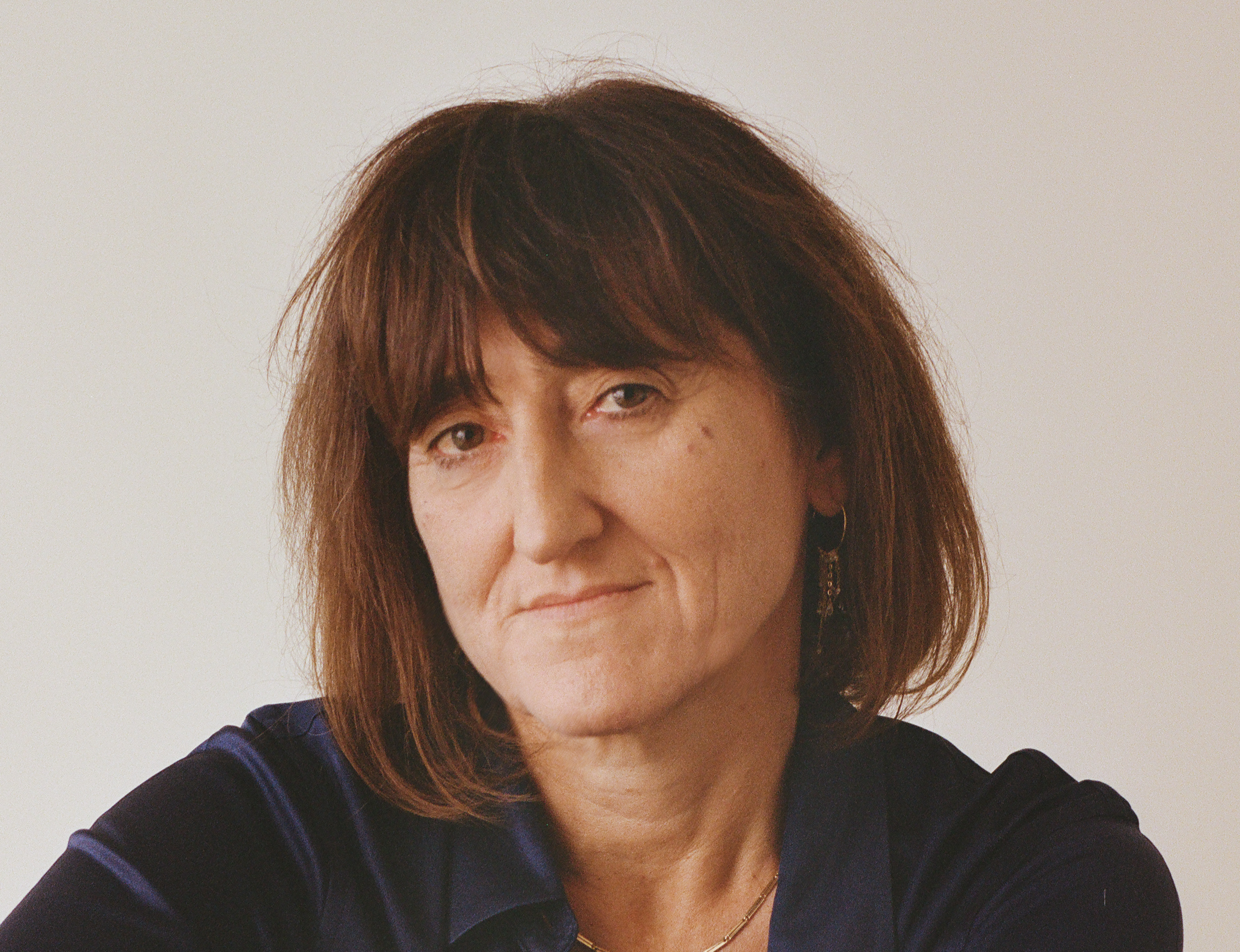
When Beeban Kidron noticed the unsettling effects that phones and technology had on young people in her family, she decided she needed to understand it better. But while most parents might have spoken to other mothers, or tackled the appropriate teachers at school, Kidron went far, far further.
Initially, that meant setting up fake avatars of typical teens in this country to test what was happening to them online: the speed with which the males were served porn, the females self-harm or extreme diet content, and the way it was specifically designed to create compulsion and addiction shocked her.
Over the next 15 years Kidron, who was initially a feature film director, but had just become a cross-party peer in the House of Lords, dug deeper and deeper into everything she could about the technology, the companies, the individuals and, us, the users. For her work in the Lords and as founder and former chair of the 5Rights Foundation, an NGO standing up for digital rights for children, Baroness Kidron has spoken to a wide range of people. Not just hundreds of young people about their daily experience of social media, but specialist police officers about the crimes they have uncovered, bereaved parents about the trauma their lost children suffered, as well as the bosses and senior staff of the biggest, richest, most powerful technology companies in the world.
It’s important to point out, Kidron is not anti-tech at all. She was an early adapter, and uses AI every day. But it is the lack of control by governments and other bodies that is the issue with her and other online safety campaigners such as Jonathan Haidt (who wrote another Welldoing Book of the Month, The Anxious Generation: How the Great Rewiring of Childhood Is Causing an Epidemic of Mental Illness). As she recently told The Times, “It’s not what technology is. It’s what we’ve allowed it to become.”
Rachel Sylvester praised Users in The Observer: “Powerful, shocking and prescient, [Users] combines heartbreaking personal stories with hard-headed evidence and demands for political reform. Kidron makes a complicated subject remarkably accessible, taking the reader from the corridors of power in Westminster to the boardrooms of Silicon Valley, and from children’s bedrooms to the Vatican.”
The mental health angle is not specifically driven home, but in the final Fightback chapter, many of the steps under What Can I Do? would benefit the wellbeing of young people, in fact, all people: have phone-free dinners, create gaming or digital windows for kids, so they know when to stop, meet up in person, keep your phone charger in the hall.
As Baroness Kidron states we shouldn’t be passive and dictated to by algorithms and enormously powerful business. “We must choose whether to accept the world being built, or to help shape it.”