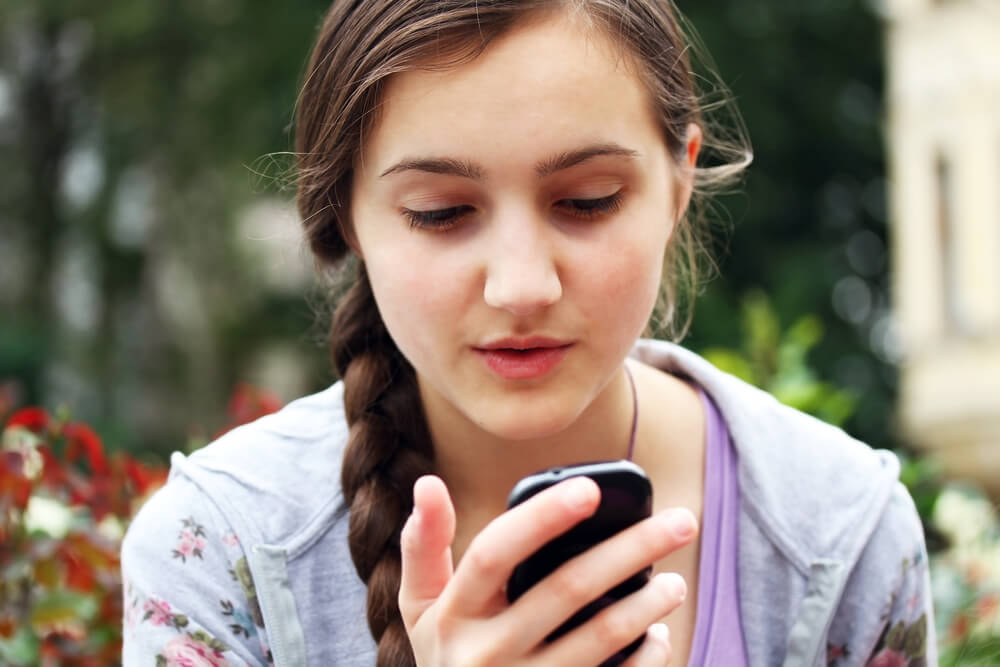
At the end of March 2026 a jury in Los Angeles found Facebook and YouTube had endangered the mental health of young users by building technology specifically to lead to addiction.
In this widely-reported test case an anonymous woman known as Kaley accused Meta (Facebook’s parent company) Google's YouTube, Snapchat and TikTok, intending her to become addicted to their products. She started using YouTube at the age of 6 and Instagram at the age of 9 and over the years following heavy use of these platforms developed anxiety, body dysmorphia and suicidal thoughts.
The jury awarded the plaintiff US$6million with Meta responsible for 70 per cent of the amount. Snapchat and TikTok had settled with her in advance of the case.
The focus of the case was the concept that these social media platforms had been specifically designed to be addictive.
As The Observer editorial described the jury decision: “They were persuaded the platforms had built “traps, not apps”, designed expressly to draw in young minds and hold them rapt with “endless scroll” and autoplay videos; and that senior people at the biggest companies in Silicon Valley were well aware the content could be harmful. “They knew.”
Only a day before this verdict, a court in New Mexico ordered Meta to pay $375m for misleading users over the safety of its platforms, which include Facebook, Instagram and WhatsApp, for use by children.
A jury held Meta liable for the way in which its platforms endangered children and exposed them to sexually explicit material and contact with sexual predators. This verdict was greeted
as "historic" by the attorney general of the state.
Many commentators are seeing these two cases as significant. According to the BBC’s Media Show the technology companies were surprised by the results, and have announced that they will appeal. But campaigners such as online safety campaigner Ian Russell, whose 14-year-old daughter Molly took her own life in 2017 after consuming harmful content online, told the BBC's Newsnight programme: "There is a big hope that this is a big moment and tech will… [need] to change, but only if the governments do something about it.”
In a controversial move, Australia has banned under-16s from registering on social media platforms since December 2025. In the UK, Keir Starmer’s government has recently kicked off a pilot study of social media bans, time limits, and digital curfews for the homes of 300 teenagers. Running alongside this is a national digital consultation. Both of these close on May 26 2026.
Technology Secretary Liz Kendall said: “We are determined to give young people the childhood they deserve and to prepare them for the future.
"This is why we are listening to parents, children and experts with our consultation, as well as testing different options in the real world. These pilots will give us the evidence we need to take the next steps, informed by the experiences of families themselves.”