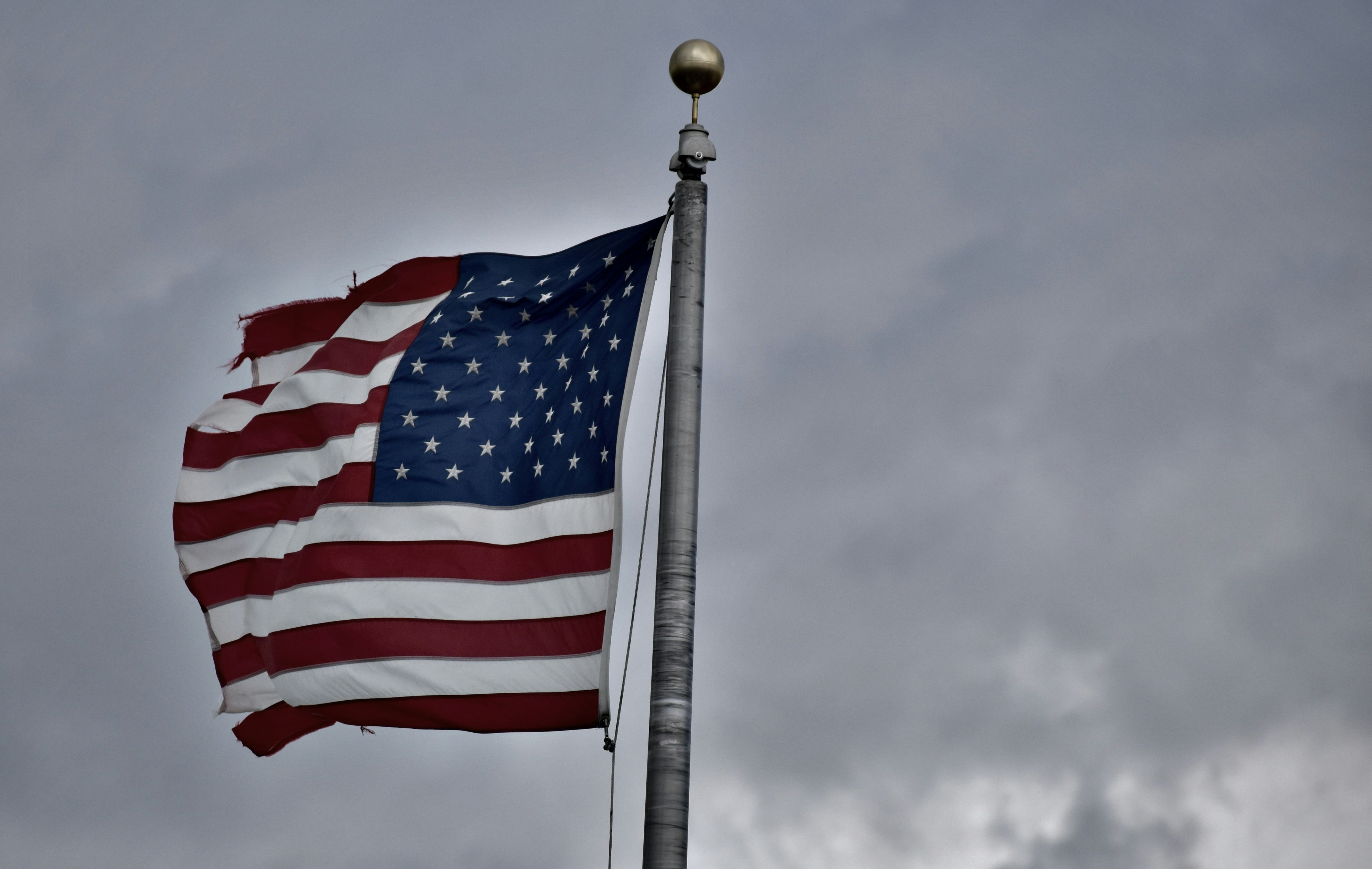
The current global political turmoil and uncertainty is turning up in the counselling room, according to therapists and researchers in the US, and conversations with Welldoing therapists in the UK. Constant exposure to news and social media means people rarely get a break from political content and it is taking its toll.
According to a Guardian piece this month titled How Trump turmoil is driving more people to the therapist’s office, both surveys and therapy organisations in the US are finding that more people are seeking to speak to therapists about the political and social situation in the world. Political stress is linked to serious fatigue, sleep loss, anger, compulsive behaviours and even suicidal thinking. Young, left-leaning and politically engaged people were hit hardest.
Therapists and clients are now talking about “political depression” as a term to describe this situation. Brett Ford, an associate professor of psychology at the University of Toronto who studies stress and emotion, told the newspaper, “Chronic stressors are large-scale, they don’t have clear endpoints, they feel out of your hands, and they reliably evoke negative emotions.”
We spoke to three therapists in the UK who all agreed that current affairs does enter the consulting room, though usually it is very local, like the Brexit vote, or the political response to Covid. But the Middle East situation is clearly causing distress for some clients.
Integrative psychotherapist Saul Hillman says, “More than half of my clients are bringing in concerns about the state of the world. Themes of safety and uncertainty are common, often focused more on fears for children more than for themselves.
“For some (for example, Jewish and Muslim clients), this has felt particularly personal and has increased feelings of vulnerability. For some, the global context offers perspective on their own difficulties, while for others it intensifies their own anxieties. It can be helpful therapeutically to move between the “macro” (global events) and the “micro” (their personal experience).”
Existential psychotherapist Ondine Smulders says she is not seeing as much focus on these conflicts as she might have expected. “While the Middle East is all over the news, my clients from the region are looking at the long term; they’re more worried about future safety and have the feeling that this cycle of violence won't be the last.
“Meanwhile, my clients in Europe and the UK are processing differently. Some of those living abroad are feeling unsettled and/or questioning their sense of 'home,' while for others the conflict feels far away.
“It’s a contrast to how everyone reacted when the war in Ukraine started. That felt much closer to home. In recent weeks especially, Ukraine has moved to the back pages of the news but it remains a quiet undercurrent of anxiety.”
Andre de Trichateau says the situation in Iran has dominated the past few sessions as the ever changing Middle East conflict has “led to a sense of confusion and anxiety that expresses itself in heightened tensions in relationships.
“On a broader level, it feels different as it feels closer now than ever. With UK bases being attacked and a potential lack of direction, people are feeling exposed, vulnerable, and exhausted. Will another war impact us financially, in a climate that already feels so precarious? This is more of a different kind of survival.
“My aim for the clients is to provide a space where thoughts can be explored without risking the conversation escalating into a dispute. This can happen between friends and family who have their own feelings and alliances. Here, in therapy, there is an opportunity to work through uncertainty so that you might leave it in the session and focus on surviving. Ironically, it may be their only environment where they feel free.”
In the US where the political stress appears to be more tied to the US government, the Trump presidency, and its actions at home and around the world, therapists are giving a range of advice. While some suggest turning away from news and social media, others, like Brett Ford, warn that strategies to help people cope can also lower their motivation to act. “We need people to be OK in terms of their mental health, and we also need them to be engaged,” she said.
British therapist Saul Hillman meanwhile has some advice for anyone struggling to deal with these lowering, fearful feelings.
- Limit exposure to distressing news where possible
- Allow space to step back or disengage when needed
- Avoid pressure to adopt fixed or polarised positions
- Create moments of stability and predictability in daily life
- Stay connected to supportive relationships and grounding activities
At Welldoing we have verified therapists with a broad range of trainings, suitable for a wide range of needs. Use our find a therapist filters to make an appointment now.