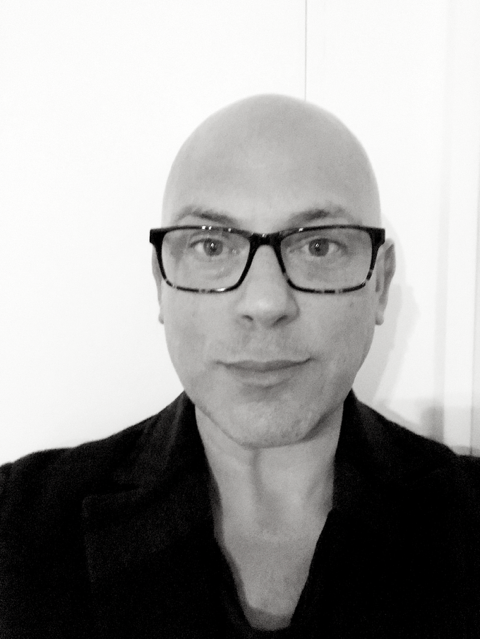
Sean Kelly is a psychotherapist in London, Hastings, and online.
What attracted you to become a therapist?
I’ve always been drawn to the spaces where people pause, question, and quietly unravel the stories they’ve learned to survive by. Long before training, I was the person friends came to when something felt stuck, painful, or unnamed. Therapy felt like a natural extension of a deeper curiosity about how we relate—to ourselves, to others, and to the wider world that shapes us.
What ultimately drew me in was the possibility of meaningful change that doesn’t rely on fixing or diagnosing, but on understanding, compassion, and presence. Becoming a therapist felt less like choosing a profession and more like committing to a way of being with people at pivotal moments in their lives.
Where did you train as a therapist?
I trained at The Psychosynthesis Trust which offers an integrative, humanistic and transpersonal training based on Roberto Assagioli’s model of the human condition. Assagioli, a contemporary of Carl Jung, believed in synthesis and integration as an essential part of being/becoming our authentic self. Importantly for me personally and professionally he developed his approach on Eastern philosophy and the relationship between body, mind and feelings.
My training brought together relational, psychodynamic, psychoanalytical, humanistic, and creative approaches, alongside a strong emphasis on ethics, reflexivity, and working with difference and power. Alongside formal training, much of my learning continues to come from practice itself - through supervision, personal therapy, reading, writing, and working at the intersection of individual, relational, and organisational life.
Can you tell us about the type of therapy you practise?
I practise integrative relational therapy, which means I draw from different therapeutic models while placing the relationship itself at the centre of the work. Rather than applying a single technique, I work collaboratively, responding to who you are, what you’re bringing, and what’s happening between us in the room.
For clients, this means therapy that is flexible, attuned, and alive. We might explore past experiences, present relationships, emotional patterns, bodily responses, or wider cultural and systemic influences. I often work creatively, using metaphor, reflection, and curiosity - especially when words alone don’t quite capture what’s going on.
I chose this approach because human experience is complex, layered, and rarely linear. Therapy needs to be able to meet that complexity rather than simplify it.
How does integrative therapy help with symptoms of trauma?
Trauma often lives beyond words. It can show up in the body as tension, numbness, or heightened alertness; in the mind as intrusive thoughts or self-criticism; and in relationships as withdrawal, mistrust, or a sense of disconnection. Integrative therapy offers a way of working that honours all of these layers rather than treating trauma as a single symptom to be managed.
In my relational approach, healing happens through safety and attunement. The therapeutic relationship itself becomes a place where the nervous system can begin to settle and where past experiences can be felt, understood, and gradually integrated rather than relived. We pay attention not only to what is said, but to what is felt in the body and emotions in the moment.
By working across mind, body, and feeling, clients can begin to reconnect with themselves in a more grounded way, developing a greater sense of choice, agency, and trust in their own responses. Over time, trauma becomes something that is held as part of a lived story, rather than something that continues to dominate the present.
What sort of people do you usually see?
I work with adults, couples, and groups both short and long-term. Many of the people I see are thoughtful, reflective, and often high functioning on the outside while feeling stuck, overwhelmed, or disconnected internally.
Common themes include anxiety, depression, relationship difficulties, identity questions, burnout, life transitions, and a sense of “something not quite fitting anymore.” I specialise in trauma, identity, grief and loss. I also work affirmatively with LGBTQ+ clients and those navigating questions of belonging, difference, and self-acceptance.
Have you noticed any recent mental health trends or wider changes in attitude?
There’s a growing recognition that many experiences once framed purely as pathology are better understood through a broader, more compassionate lens. Neurodiversity, particularly ADHD and autism, is being spoken about more openly and thoughtfully, with many adults’ seeking assessment or therapy later in life as language and understanding catch up with lived experience.
For some, this brings relief and clarity; for others, it opens up grief for what might have been understood or supported earlier. In therapy, this often shows up as a re-storying of the self - moving away from narratives of failure, laziness, or “not enough”, toward a deeper understanding of difference, sensitivity, and adaptive intelligence.
Alongside this, there’s a wider cultural shift away from asking individuals to endlessly self-regulate in environments that are often overwhelming, fast, and poorly attuned to human limits. Many clients arrive not wanting to be fixed or optimised, but to be better understood, by themselves and by others.
What I’m noticing most is a desire for meaning rather than management. People are increasingly interested in how their minds work in relationship to their bodies, histories, and the systems they live within. Therapy becomes less about coping strategies alone and more about creating a way of living that feels sustainable, humane, and aligned with who they actually are.
What do you like about being a therapist?
I value the intimacy and honesty of the work. Being invited into someone’s inner world is a privilege, especially when they begin to trust themselves in new ways.
I also appreciate the creativity of therapy; the way meaning emerges through conversation, silence, and shared reflection. No two sessions are the same, and the work continually challenges me to stay present, humble, and human.
What is less pleasant?
Sitting with pain without rushing to resolve it can be emotionally demanding. Therapy asks for patience, especially when change is slow or when external realities can’t easily be altered.
There’s also the quiet responsibility of holding other people’s stories with care, which requires good boundaries, supervision, and self-awareness.
How long have you been with Welldoing and what you think of us?
I’m a recent member and value Welldoing’s thoughtful approach to therapy and wellbeing.
I appreciate the emphasis on quality, reflection, and ongoing professional development, as well as the sense of community created among practitioners.
What books have been important to you in terms of your professional and personal development?
I’m a huge James Hillman fan and advocate. His work has influenced my personal journey in therapy and how I work as a therapist. These include, but are not limited to:
- The Soul’s Code
- Archetypal Psychology
- Re-visioning Psychology
- Kinds of Power
More recently I have been reading key books on social change and identity, as follows:
- Relationally Queer: A Pink Therapy Guide for Practitioners by Silva Neves and Dominic Davies
- Psychology at the Heart of Social Change: Developing a Progressive Vision for Society by Mick Cooper
Do you ever recommend books to clients?
This may be controversial, but I don’t tend to recommend psychology or therapeutic books to clients, unless they are considering a move into more intentional learning that compliments their work or beginning their training as a therapist. What I try to do is understand the books, films, plays and music that have had meaning or influenced them to gain insight to what stories, music and drama connects to them and if appropriate I might recommend something that I think may be of interest or helpful.
What you do for your own mental health?
I stay connected to supervision, my own therapy, meaningful relationships, and creative practices. Writing is an important reflective outlet for me, as is time spent in nature, often walking my dog and moments of deliberate slowness.
I try to practise what I encourage in others: noticing when something needs attention, rather than pushing through.
You are a therapist in London, Hastings, and online. What can you share with us about seeing clients in these areas?
Working in London, I often meet clients who are navigating fast-paced lives shaped by ambition, pressure, and constant movement. Many are highly capable and outwardly successful, yet internally stretched, struggling with anxiety, burnout, identity questions, or a sense of disconnection from themselves and others. The city offers opportunity and stimulation, but it can also intensify loneliness and leave little space for reflection.
Hastings offers a different rhythm. As a smaller coastal town, it attracts people seeking space, change, or a slower pace of life - sometimes after periods of intensity elsewhere. Clients here often arrive with themes of transition, recovery, creativity, or rebuilding, alongside the realities of living in a close-knit community where anonymity can feel limited. There can be a strong pull between wanting connection and needing privacy.
Working online bridges these worlds, allowing me to support clients across the UK who may not have easy access to relational, integrative therapy locally. Across all settings, what remains consistent is the human need to be met with curiosity, care, and understanding, wherever someone happens to be living.
What’s your consultation room like?
Calm, simple, and intentionally uncluttered. I aim for the space to feel grounding and human rather than clinical - a place where you can arrive as you are and take up space without performing.
What do you wish people knew about therapy?
That therapy isn’t about being analysed or fixed. It’s about relationship, honesty, and learning to listen to parts of yourself that may have been ignored or silenced.
You don’t need to be in crisis to benefit from therapy, you just need curiosity and a willingness to explore.
What did you learn about yourself in therapy?
That understanding doesn’t come from certainty, but from staying with questions. Therapy taught me how much change becomes possible when we stop fighting parts of ourselves and start relating to them differently.
It also reminded me that we’re shaped in relationship and healed there too.