The prevailing wisdom about becoming a grandparent is that it’s bliss, pure and simple; there’s little room for ambivalence. But for most people the arrival of a grandchild stirs up a complicated mix of emotions as well as overwhelming love and joy. As the heady new baby weeks pass, all kinds of unexpected feelings emerge, from frustration, anxiety, nostalgia and regret, to jealousy, guilt and resentment. It’s all very confusing when you’re supposed to feel nothing but undiluted happiness.
But it’s not surprising. The birth of a first grandchild marks one of life’s biggest transitions, yet the focus is quite rightly not on the grandparents, but on the baby and on the momentous change the new parents are going through. Grandparents understandably pay little attention to the massive parallel adjustment they also have to navigate: a change in how they feel about themselves and the future, a sobering sense of ageing and mortality, a shift in their role in the family and in the way they get on with their adult child. What’s more, grandparents know from experience the pain and anxiety that lie ahead for the parents, as well as the joy and fulfilment.
As a result grandparents have mixed feelings about all kinds of things. Grandchildren are hard to resist, and grandparents long to spend time with them and help out, but they also want to get on with their own lives, and there’s an added urgency to that as they get older. Besides, around a third of grandparents are still working; they’d love to help, but they can’t.
What makes it extra complicated for this generation is that they seem to be more closely
involved with their grandchildren than ever before. If they take on regular childcare, as millions of grandparents do now, it intensifies family connections even further, but at the same time it can create new sources of tension and ambivalence.
So much hinges on the relationship with the adult child and, crucially, their partner. Both generations are vulnerable as they feel their way into their new roles and work out how to negotiate invisible new boundaries and unstated rules. Grandparents want to be supportive and pass on their hard-won experience to the new parents, but they’re anxious about interfering: the grandparents’ sacred rule is ‘Be there, but don’t interfere’. New parents are often super-sensitive and that can make grandparents feel as if they’re treading on eggshells. They soon learn that unsolicited advice is unwelcome and that even an apparently harmless question can be taken as criticism. Grandparents may find themselves questioning their own behaviour, especially if they get the impression that they’ve done something wrong: did they let the baby nap too long? Was it annoying to tidy the kitchen so enthusiastically? So much goes unsaid on both sides for fear of rocking the boat.
Adult children’s ideas about parenting are inevitably different to the way they were brought up themselves. Sometimes that feels like rejection, and it may even make grandparents reassess their own past parenting. It goes with a sense of being on the periphery of family life rather than at its centre. There’s no doubt that grandparents are the essential cornerstone of the family, but they are no longer in the driving seat. Handing the reins to the next generation takes some getting used to, and it goes with a growing awareness of mortality: ‘The ending of your life arrives on the horizon the moment your first grandchild is born,’ says the psychotherapist Karen Woodall. Fortunately, the presence of a grandchild helps to make sense of it all.
Grandparents are often taken aback when they discover that it’s not the grandparents, but their adult child (and his or her partner), who decide how often they get to see their grandchild. It hurts if it’s not as much as they would like. That’s particularly true if the other set of grandparents sees more of the kids. This often comes down to circumstances, but it’s a common sadness among paternal grandparents. Pangs of jealousy are par for the course, but they don’t feel comfortable. ‘It makes me think there’s something really bad inside me to feel like this, because the other granny is a perfectly nice woman and I’m not usually competitive or jealous,’ one single grandmother told me.
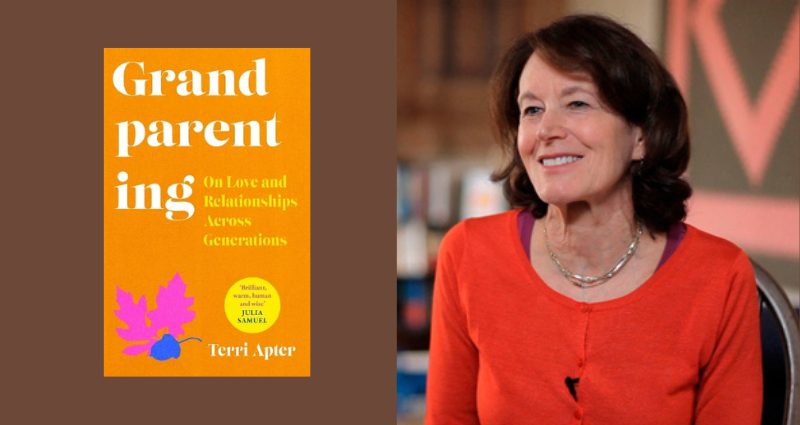
Mixed feelings may be commonplace, but while grandparents are more than happy to share cute snaps, they’re less likely to open up about how they really feel. It’s very different for parents, who have carte blanche to discuss their dilemmas and difficulties. Grandparents feel bad about saying anything even slightly negative. One grandmother in my book sums it up: ‘It’s so difficult to say how you really feel because there’s always this fear of appearing to be ungrateful. Friends say things like “It’s all right for you, you’re so lucky to have grandchildren.” But that denies grandparents the right to express ourselves.’