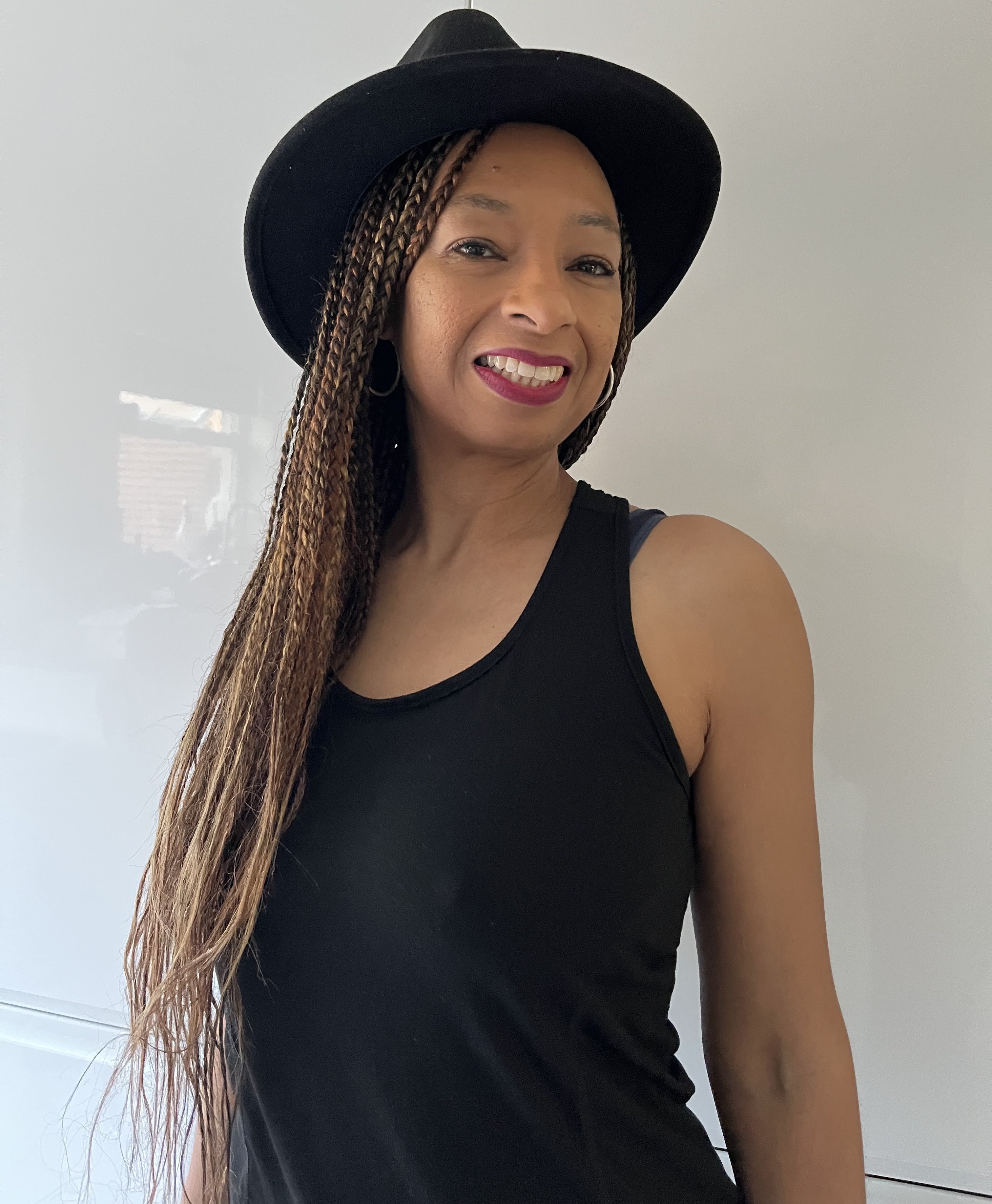
Shirley Banton is a therapist in Romford
What attracted you to become a therapist?
My journey into therapy began about halfway through my 20 year career in education, where I worked closely with young adults. I often saw emotional and psychological difficulties developing beneath the surface, but my role at the time required me to focus primarily on their qualifications and academic outcomes. I found myself wanting to do more — to offer deeper emotional support and provide a space where people could explore what was happening internally.
This desire to support others beyond the limits of education led me to train as a therapist and work with people in a more holistic, meaningful, and human way.
Where did you train?
I trained at the London Centre for Counselling and Psychotherapy Education (CCPE).
I am UKCP trained and BACP Accredited in transpersonal and integrative modalities.
I am also completing supervision training with Headstrong Academy, with a focus on anti-oppressive practice.
Can you tell us about the type of therapy you practise?
I practise integrative psychotherapy, drawing primarily from person-centred, transpersonal, and relational approaches.
This means therapy is tailored to each individual, rooted in compassion, exploration, and authenticity. My work focuses on helping clients deepen their self-awareness, understand emotional patterns, and reconnect with parts of themselves they may have suppressed or overlooked. The transpersonal element allows clients to explore meaning, purpose, and the deeper layers of their emotional landscape.
How does integrative psychotherapy help with symptoms of trauma and low self-esteem?
My approach works particularly well for clients navigating trauma, low self-esteem, difficulty with boundaries, and identity-related challenges.
By slowing down, exploring emotional patterns, and understanding how early experiences shape adult responses, clients learn to regulate their emotions, build self-worth, and create healthier boundaries.
Over time, they often experience greater clarity, empowerment, and connection to who they truly are — beyond survival patterns or inherited narratives.
What sort of people do you usually see?
I work mainly with adults, often women from diverse cultural and social backgrounds.
Clients come to me with a wide range of experiences, including trauma, anxiety, relationship difficulties, burnout, identity challenges, and low self-esteem. I also support those in high-pressure environments or caregiving roles who struggle to prioritise their own emotional needs.
Have you noticed any recent mental health trends or wider changes in attitude?
Yes — there has been a noticeable shift in how people understand themselves and their emotional world. More individuals are becoming aware of how their cultural backgrounds, family dynamics, and lived experiences impact their mental health.
People are increasingly recognising that cultural differences shape identity, self-perception, and how they move through relationships and the wider world.
Furthermore, there is a growing openness around trauma, boundaries, burnout, and generational patterns. Many clients are coming to therapy not only for coping strategies but to heal, reflect, and break cycles that no longer serve them. Mental health is becoming more accepted as an essential part of overall wellbeing.
What do you like about being a therapist?
I value the privilege of holding space for people as they grow, heal, and reconnect with themselves. Seeing clients gain insight, reclaim their voice, and feel more grounded in who they are is incredibly fulfilling.
Every client brings a unique story, and being trusted to witness their journey is something I never take for granted.
What is less pleasant?
At times, the emotional intensity can be challenging, and the administrative and compliance side of the work can pull me away from the relational core of therapy. But the rewards of supporting clients far outweigh these moments.
How long have you been with Welldoing and what you think of us?
I am new to the Welldoing platform, and my experience so far has been very positive. I appreciate the professionalism, thoughtful communication, and the sense of community.
The peer support groups and weekly CPD sessions are also valuable resources that help enrich my practice and maintain ongoing development.
What books have been important to you in terms of your professional and personal development? Do you ever recommend books to clients?
Books have been an important part of my personal and professional growth. Some of the most influential include:
· Value in the Valley – Iyanla Vanzant
· It’s Not You – Ramani Durvasula
· The Power of Vulnerability – Brené Brown
I sometimes recommend books to clients depending on their needs — whether it’s support with boundaries, understanding trauma, embracing self-compassion, or reconnecting with their emotional selves.
I’m also in the process of writing my own reflective self-help book, inspired by the themes I see in therapy everyday of healing, growth, transformation and the journey back to oneself.
What you do for your own mental health?
I prioritise movement — yoga, strength training, and walking — alongside stillness and journaling.
Time with family, nature, music, and creative reflection are also grounding for me. I continue to engage in my own therapy and supervision, which allows me to stay emotionally regulated, reflective, and connected to my work.
You are a therapist on the London/Essex border and UK wide online. What can you share with us about seeing clients in this area?
Working from the London/Essex border and supporting clients UK-wide online gives me the opportunity to connect with people from a wide range of communities, identities, and cultural backgrounds.
Many clients balance fast-paced lifestyles, cultural expectations, and the emotional impact of modern living.
Online work has opened the door for clients who may not have the time, flexibility, or comfort to attend in person — making therapy more accessible and inclusive.
What’s your consultation room like?
My space is calm, warm, and intentionally minimal. I aim to create an environment that feels grounding and emotionally safe — soft tones, comfortable seating, and a sense of quiet.
Even online, I maintain that same presence and atmosphere so clients feel held and supported.
What do you wish people knew about therapy?
I wish people knew that therapy isn’t about fixing you — it’s about understanding you. It’s a space for honesty, curiosity, and compassion. Growth takes time, and healing isn’t linear, but the process can be transformative.
You don’t have to be in crisis to benefit from therapy; sometimes the most powerful work happens when someone simply wants to know themselves better.
What did you learn about yourself in therapy?
Therapy taught me that I can hold space for others while still caring for myself.
I learned that my softness is a strength, that boundaries protect my wellbeing, and that healing unfolds gradually in layers.
Therapy helped me reconnect with parts of myself that I had pushed aside, and strengthened my sense of self-trust.