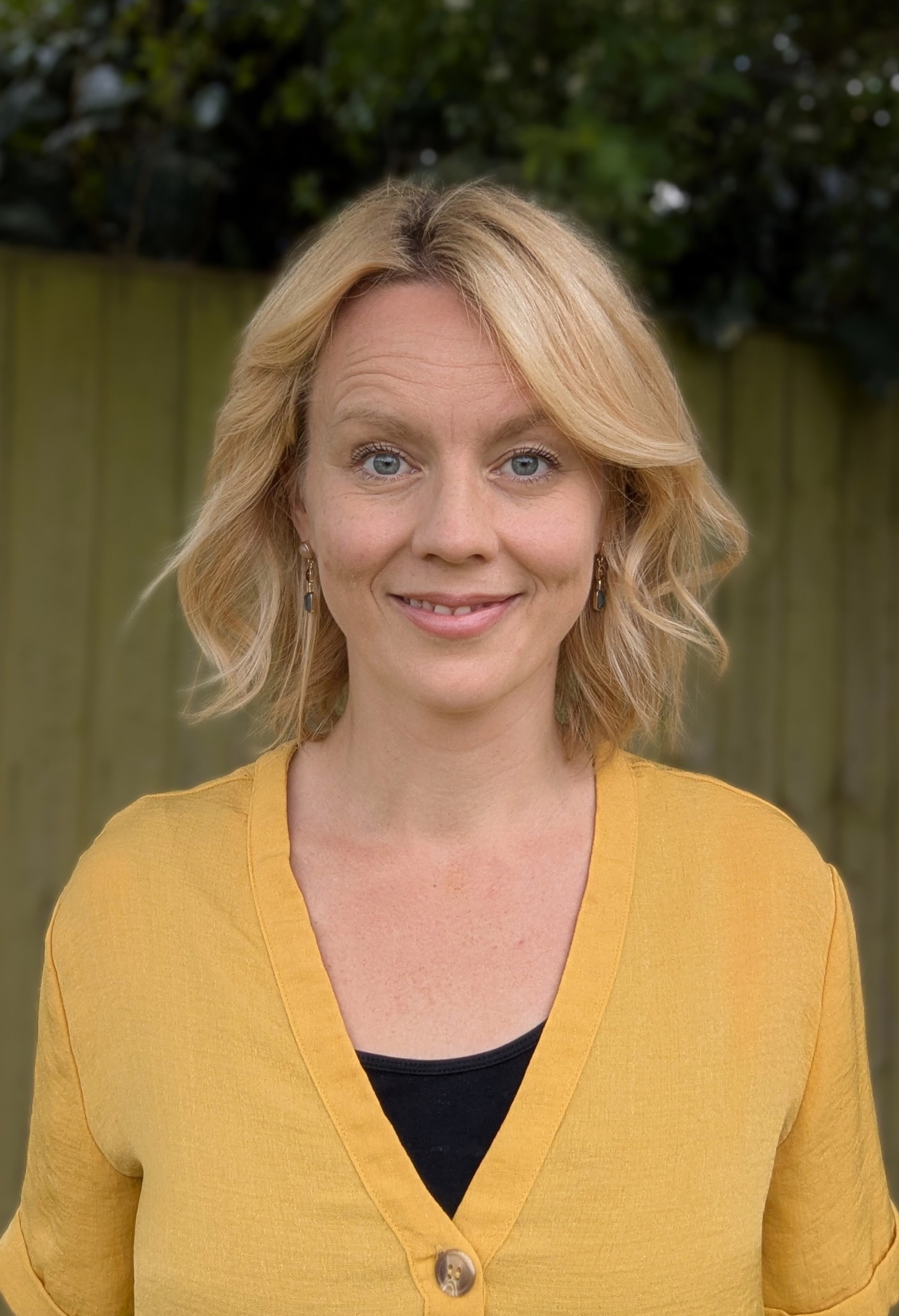
Björg Hermannsdóttir is an online counselling psychologist
What attracted you to become a therapist?
I wanted to be a medical doctor until I realised at 19 that I was not interested enough in anatomy and how bodies function. It turned out I was much more interested in people’s behaviour, society, and in making sense of all the strange things we do. As I started studying psychology, a part of me naively wanted to fix people’s problems, but I gradually realised that people don’t need me to rescue them. They need someone who believes they can find their own way.
Where did you train as a therapist?
I did my undergraduate training in Iceland, where I’m from, and then went to the US to get my PhD in Counselling Psychology. I had tried to get into programs in some big cities like Boston and New York but ended up getting most of my training in a small town in the middle of a cornfield in Indiana. I then trained for a couple of years in two bigger US cities and eventually moved across the pond to the UK.
Can you tell us about the type of therapy you practise?
At the start of my career, I was very drawn to cognitive behavioural therapy (CBT). With more experience came the realisation that one approach rarely fits all people and circumstances. Sometimes what people need most is to feel heard. At other times, there may be a real need to slow down and talk about deeper hurts, for example things that people may still carry around from childhood.
There are also plenty of situations where the most helpful thing is to notice what is happening in the here-and-now, in the body or between myself and the client. For example, when someone finds it hard to tell me what isn’t working for them. These moments can show us something important because they are usually happening in relationships outside therapy too.
The years of experience I have gained and familiarity with different ways of doing therapy allow me to tailor my approach to each person’s situation and needs. My aim is for my clients and me to get to the core of what is going on for them and to then use that insight to find a way forward.
How does integrative therapy help with symptoms of low confidence?
Low confidence isn't always about thinking badly of ourselves. Often it's about losing trust in our own judgement and looking to others for direction. Once we get honest with ourselves about who we really are - and get a little more accepting of what we find within, we are in a much better place to make meaningful changes. The confidence that comes from that is not based on getting everything right. It’s based on trusting ourselves a little more.
What sort of people do you usually see?
Many of the people I work with are capable and conscientious people, individuals and couples, who have tried to do what is expected while losing touch with themselves in the process. That often shows up in relationships, where they may feel unfulfilled without knowing exactly why or have trouble saying what they mean. At the start of therapy, many of my clients can describe what they don’t want but have a harder time recognising what they truly want and need.
Have you noticed any recent mental health trends or wider changes in attitude?
One thing I have noticed alongside the increase in mental health awareness is the growing emphasis on diagnoses and labels within the mental health field. I wonder if that is in part due to people wondering, “Why do I feel this way?” – and wanting a quick answer. Sometimes labels help. At other times, they leave out important parts of the person and their story.
Unpacking the story in therapy can help us understand why we feel the way we do - with or without labels. From there, people can walk away with more clarity on what has been going on for them, as well as ideas on how to put their insight into action and move forward in their life.
What do you like about being a therapist?
I love witnessing people become more honest with themselves over the course of therapy. I get to meet a new person in the initial session and then gradually meet them even more as they bring more of themselves into our work.
The same applies to couples. There is the initial story about what is going on, and then several other stories underneath that one that add to the larger picture.
What is less pleasant?
It is always challenging when difficulties come up in my relationship with a client. The connection is the foundation of our work and when something happens that creates a disconnection I find it hard not to think about that outside my work hours. The fascinating thing though is that when issues between us are brought up and worked through in sessions, the connection can emerge even stronger than before.
Another positive part of this is that exploring sticky interpersonal moments in therapy can increase people’s confidence in navigating similar issues outside of therapy. If I misunderstand a client and they feel frustrated or unheard, working through that together can help them feel more confident addressing similar moments in other relationships.
How long have you been with Welldoing and what you think of us?
I have been with Welldoing for a couple of months now and I’ve got a very positive impression of the work you do in helping people find a good match for therapy. I am working my way through the list of past CPD sessions that are available on YouTube and I really enjoy the broad range of presenters you have had so far. The recent talk on sibling relationships really stood out to me as an immediately useful and personally relevant topic.
What books have been important to you in terms of your professional and personal development? Do you ever recommend books to clients?
I often work with people who feel anxious in their relationships or struggle to feel secure, and I have found a couple of books very helpful in understanding the attachment patterns behind that. One is Attached by Levine and Heller and another is Women Who Love Too Much by Norwood. The latter one I found to be quite blunt and uncomfortable to read, but probably because it resonated a bit too much at that time in my life.
I do love reading and when I find books that really click with me I have historically been enthusiastic about sharing them with others. I am less quick to do that now unless people specifically ask. I’m learning that me being excited about a book doesn’t necessarily mean it’s what my clients need at that point in time.
What do you do for your own mental health?
When I get stuck in my head I find it very helpful to go outside and be in nature. A park with a couple of trees will do if nothing else is available, or just a simple walk around the neighbourhood. I also do strength training and short runs a couple of times per week, and this has been a great outlet for frustration and stress. And when my life gets a bit too busy and scattered, I sneak away to fold laundry in peace.
You are a therapist in Bristol, but work online. What can you share with us about seeing clients online?
As I work online I am able to see clients based across the UK and abroad. I have found that many people who seek private therapy seem very good at functioning, even at an impressive level, but often are disconnected from their true needs and wants. I have particularly found that to be the case in bigger cities where the pace of life can be relentless. There can also be immense pressure to appear like we’ve got it all together, when the reality tends to be a lot more human and messy.
What’s your consultation room like?
I offer online sessions and am therefore able to work from home. I like having plants around me and a cup of hot water or tea as it helps me stay relaxed and grounded during my sessions. It also helps to keep all the unfinished chores out of sight.
What do you wish people knew about therapy?
That finding a therapist who is a good fit can take a few attempts! I have worked with a couple of amazing therapists myself and have also encountered a few others along the way who were not as good a fit for what I needed at the time. Techniques, theories, and strategies can be very helpful, but great therapy ultimately rests on the quality of the human connection between you and the person you work with.
What did you learn about yourself in therapy?
That I had got it all wrong. I spent years trying to prove I was a good person, only to realise that was never going to bring me peace. I needed to make that peace with myself, learn to accept the parts I didn’t like, and connect with myself and others in a more honest way. It’s an ongoing work in progress.