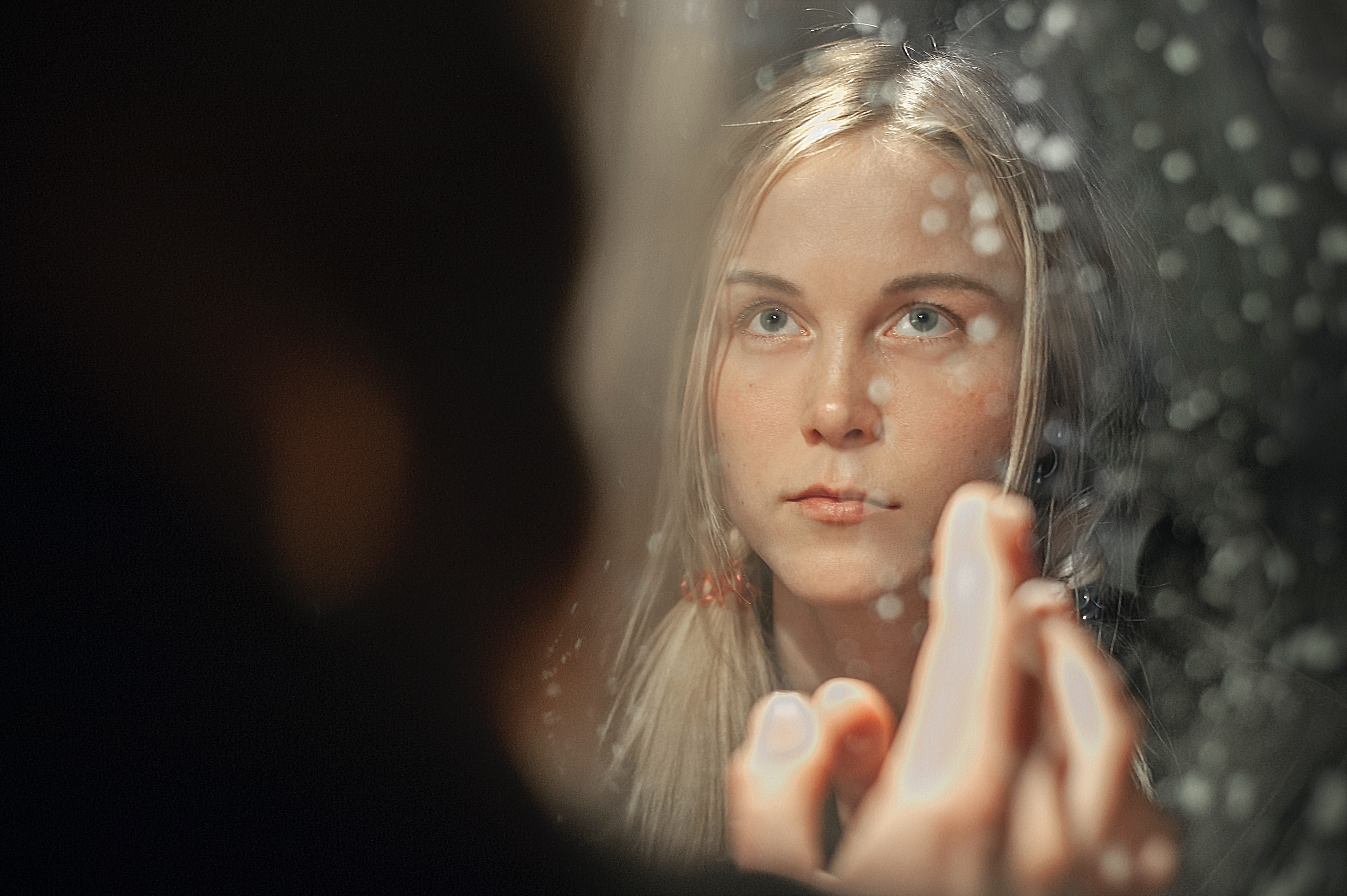
On social media, TV and on the street, young women are changing before our eyes. Products and tweakments created to help older women stay youthful-looking are now being used by teens and young women in their 20s, as they try to match today’s unrealistic beauty standards. Fillers in lips and cheeks, Botox on brows, multiple hair extensions, tattooed eyebrows, permanently attached false eyelashes, there seem to be an ever-growing list of must-haves for young women seeking to be not just pretty, but perfect.
I wrote about this phenomenon for the i-Paper recently and was then invited to talk to broadcaster Shane Coleman on Newstalk Breakfast a few days later. I started by saying that women have always wanted to look good, but that the products and techniques now available are not comparable to what even their older sisters would have thought of using at their age. “A lot of young women are looking for perfection and perceive any difference as a fault to be rectified. What they see on social media sets them up to believe they are not good enough,” I told Coleman. We know that Welldoing therapists are seeing growing evidence of this. Overall, young women’s mental health is suffering. In a recent NHS survey the share of young women in England reporting a mental health condition rose to the highest on record up to 36% from 28% in 2014. The figures for men over the same period was 16% in 2024 and 10% in 2014. Anxiety, depression, panic disorder, phobias and obsessive compulsive disorder are among the issues covered by the survey’s results. Sally McManus, one of the lead researchers on the survey, said the figures reflect many global trends disproportionately affecting young people, such as insecure employment, climate change, and Covid. “That upward trend is pretty much evident across the board. Far and away, the highest rates [of self-harm and suicidal ideation] in young women.”
Coleman asked me, as a former magazine editor how things had changed. In the noughts readers would “flick through the pages and see the ads, then move on” but now your phone is constantly pumping out messages from so-called “perfect people”. Young women are being told, hundreds of times a day what they should do try to look like them. “And if you start people on regular beauty tweakments every few months in their 20s then you are going to make an awful lot of money out of them over their lifetime.” You can hear the interview here.
In addition to the cost, this level of perfectionism, triggering the anxiety and the action, is unhealthy. Gordon Flett, professor of psychology at York University in Canada, has spent decades studying the harmful effects of perfectionism and, according to a recent interview in the New Yorker, believes that millennials and Gen Z-ers are facing an “epidemic of perfectionism.” In a survey of Canadian high-school students, he found more than half identified with the statement “I need to be perfect.” He suspects that the crisis is largely fuelled by social media: people are tortured by the gap between their actual and their “perfected” lives, not to mention the perfected versions of other people that circulate online. “The need to seem perfect is much bigger now than when we started this research [35 years ago],” said Flett. Of course perfection is not all about the way you look — but to some young women, that is exactly what they believe it is.