How To Be Well is written by a former fashion journalist who lives in Brooklyn and, with its totemic scented candle on the cover, the book could actually be mistaken for a run-of-the-mill self-help book. But look again. The candle is extinguished and wisps of black smoke drift from its wick, while the subtitle of Amy Larocca’s book gives the game away: “Finding a way through the self-care epidemic without losing your mind and your money”.
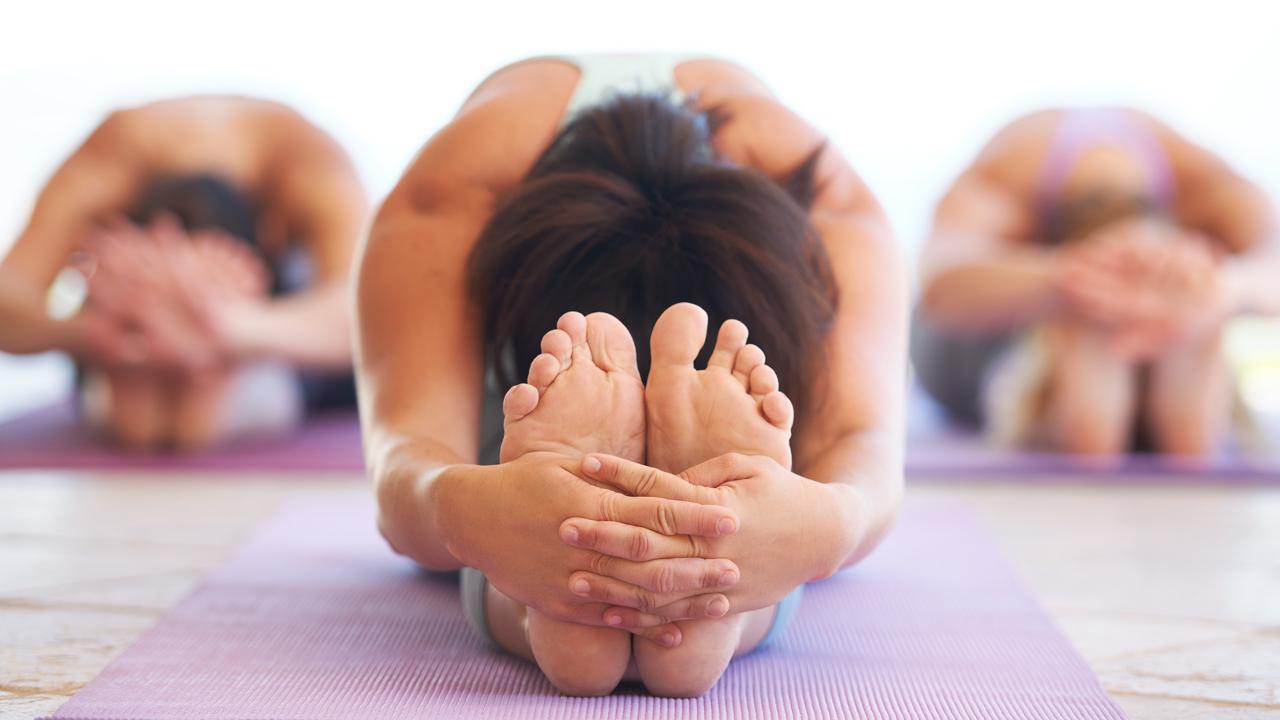
Many women will recognise the trends and products she writes about, you may even be signed up and participating. Cultish exercise classes on cycles, high-end yoga mats or complicated machinery taught by reed-thin beauties whose clients hang on their every honeyed word. Food stuffs and beverages that promise the clearest skin, the longest life, the most perfect reflection. Detoxes and spa programmes that medical practitioners warn against, and can even be dangerous.
The wellness industry is worth a cool $3.7 trillion and is growing all the time, its foundations laid in the fears and insecurities of women and girls who worry that they will look fatter/older/plainer than their friends and neighbours. Sold as clean and honest, compared with the artifice of the beauty industry it is really a ramping up, medicalisation using the same levers, and at a much higher entry price. Amy Larocca says wellness has to some extent even replaced fashion which has become too fast, too cheap, not exclusive and special enough.
On the other hand, there are plenty of valid, affordable lifestyle improvements that fall under the self-care/wellness rubric and leave people looking and feeling good about themselves and their bodies. Larocca leavens her skepticism with positive experiences in health and fitness, relaxation and nutrition, skincare and spirituality. As New Yorker writer Ariel Levy says on the cover, the book “deftly separates the gobbledygook from the truly transformative”.
There are plenty of wellness subjects that actually don’t fit into either category. Larocca reports on being invited to an Oprah conference on the menopause which she likened to a revivalist meeting. Speaker after speaker spoke about the transformational properties of HRT which was “going to deliver for us all”. It was only on leaving the TV studio that the author realised “how little this type of conversation leaves for the grey, for the complicated truth that many medical interventions help some people sometimes with some symptoms … and that ageing is different from disease and that it isn’t necessarily something to be cured.”
In a book that takes in air pollution, patriarchal power, meditative practices, and biohacking, Larocca also writes at some length about the politics of wellness in the US, outlining the harsh divisions exposed around the Covid lockdowns and subsequent vaccinations. She finished the book before Trump returned to power and brought with him Secretary of Health who disdains vaccinations and various other long-established medical resources.
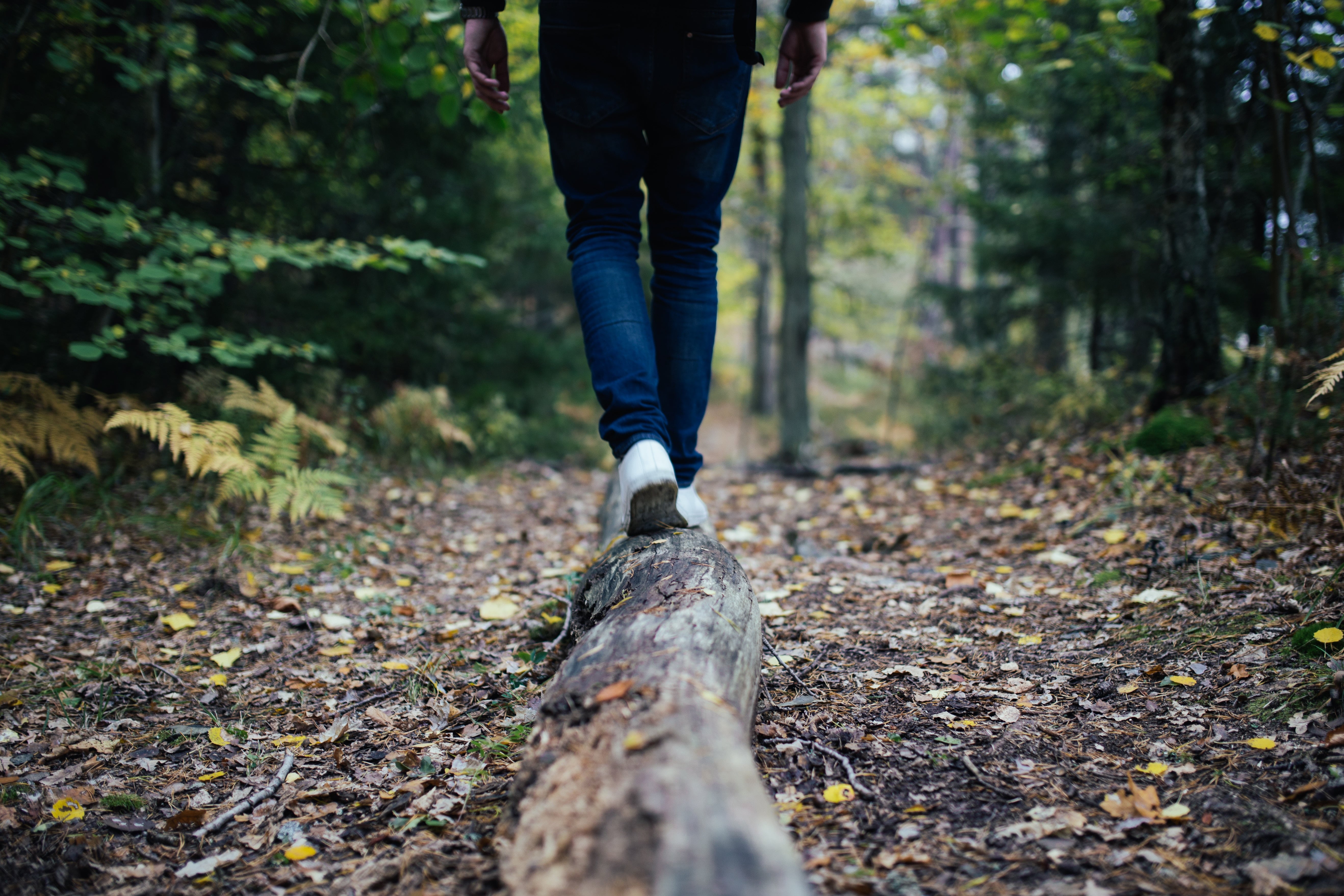
How To Be Well is wry and entertaining, with its lampooning of green juice enemas and activated charcoal toothpaste, but it’s also pointed and powerful as it powers into many shibboleths of the 21st century wellness industry. Well-researched and clearly expressed, it’s also a blast of fresh air that leaves a lot of snake oil in its dust in favour of some older, trusted activities like hanging out with friends and family, walking outside, and breathing deeply when you need to.
Louise Chunn speaks to Amy Larocca about health, wellness, culture and her new book How To Be Well.