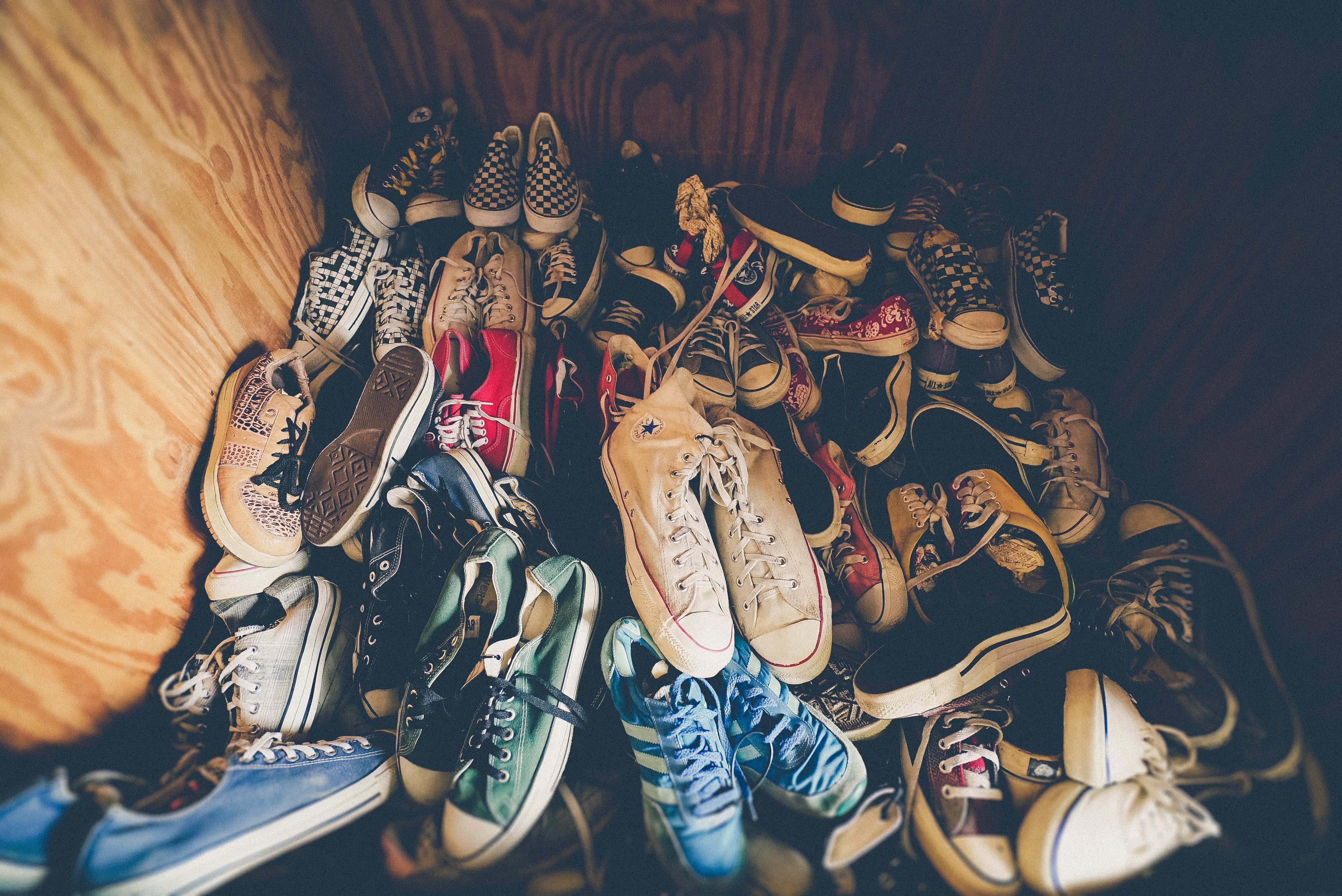
Because one person’s treasures can be another person’s trash, hoarding is an emotive term. In a recent Daily Mail piece Rowan Pelling confessed to living with so many possessions that “just going up the stairs in my jam-packed Cambridge house is like navigating an SAS assault course.” With the chaos caused, and her sons’ frustration, she had finally faced her “crippling shame” and asked a de-cluttering expert to help her find a better way of living.
Beneath this online account, complete with pictures showing piles of books, clothes, toys, and boxes in every nook and cranny, the trolling was unrelenting. Her engrained habit of keeping everything from childhood on, as well as a major Vivienne Westwood-collecting habit, was mercilessly criticised and mocked. Very few people acknowledged that for some people hoarding is a disorder.
According to the NHS, “A hoarding disorder is where someone acquires an excessive number of items and stores them in a chaotic manner, usually resulting in unmanageable amounts of clutter. The items can be of little or no monetary value…Most people with a hoarding disorder have a very strong emotional attachment to the objects.”
In the case of Pelling and her husband, there are a number of things affecting their behaviour. Both had parents who died young, so she wonders if they are "partly trying to keep them close by hoarding the past.” Their older son, now 21, had severe anxiety and obsessive compulsive disorder (OCD) and Pelling acknowledges that OCD is closely related to hoarding, with both conditions running in families. When their son was most affected, she reports, both parents “walled ourselves in with purchases that soothed our worry.”
In the Daily Mail feature Pelling works with Kat Band of The Hummingbird Effect, who specialises in professional decluttering focusing on ‘chronic disorganisation and hoarding behaviours’. Pelling is encouraged to be more realistic about whether she will ever wear the 400 dresses and 150 skirts somehow stuffed in to her wardrobe, and is left with the “new aim to keep my belongings within my control, rather than feeling consumed by the burden of owning them.”
Hoarding was only identified as a stand-alone disorder in 2013 and latest figures indicate some 4 million people in the UK suffer from it. There are gradations in house clutter, as discussed here by another de-cluttering expert Helen Sanderson. In The Psychology of Home: Why is it so Hard to Let Go of Clutter? Sanderson quotes paediatrician and psychoanalyst D.W. Winnicott and psychiatrist and psychoanalyst John Bowlby as she digs into the origins of our relationships with our homes and what we put into them. She concludes that whatever the state of your home and your attitude to it, “the critical aspect is whether it is making you feel unhappy and ashamed. [...] If there is trauma beneath the clutter, seek the support of a good coach or therapist and gently work through it.”