An article by the dog behaviourist Louise Glazebrook, in the Independent Newspaper 16th February, was titled ‘Dogs will soon outnumber children and that might be a good thing.’ It caught my attention because as an animal lover and psychotherapist it reflected my own beliefs.
For many years serious scientific studies have shown how animal ownership is good for our mental and physical health. Time spent with pets can increase serotonin and dopamine both neurotransmitters which increase a sense of well-being. Oxytocin can also be raised, and this helps bonding and attachment which as social creatures we need. Astonishingly, an article published in the American Heart Association journal ‘Circulation’ suggested that dog owners may live longer after heart attacks or strokes. They also leave hospital quicker to get back to their pets.
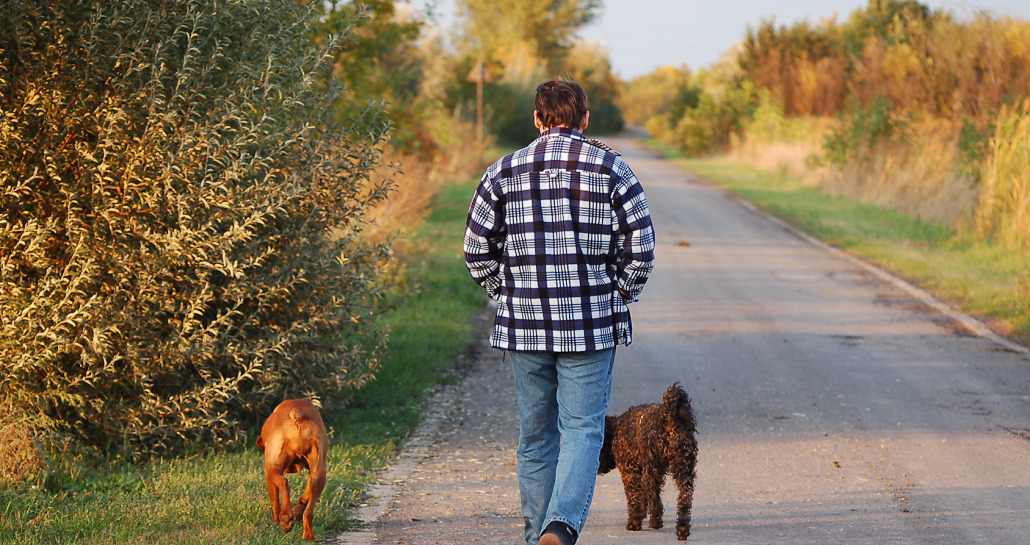
We know that loneliness affects our life expectancy and sadly loneliness is on the rise amongst all age groups and this is not good for our health, either mental or physical. Dog owners meet other dog owners when out walking and this provides an important social opportunity. Just chatting and engaging with others improves our mood. Walking a dog also improves our physical fitness and helps blood pressure and cardiovascular health.
Louise Glazebrook’s article argues that for all the above reasons it is a good thing that dog ownership is rising and soon the dog ownership in the UK will reach 13 million. She argues that it indicates people’s desire and, importantly, need to nurture. We are social creatures and our ability to care and love is critical to our sense of wellbeing.
I am fortunate in that where I work is near Hampstead Heath. I see many dogs in our local cafes and shops. If I see a dog that I think is especially ‘cute’ I will stop and talk to the owner without hesitation. I do not do this in any other social situation. Recently I noticed a very large beautiful ‘poodle cross’ in my local coffee shop. As the owner was trying to buy a coffee she was stopped by children who wanted to stroke her dog, talk to the dog and talk to her about the dog. I asked her if she ever made a journey without being stopped and she laughingly shook her head.
As a psychotherapist I see the benefits pet ownership brings to my clients. Cats and dogs provide emotional and physical affection. Some of the most watched videos on the internet are of animals playing, greeting their owners will wild affection and getting up to mischief. Some of these videos reach hundreds of millions of viewers. People report that they feel happier and more relaxed after watching them.
A bereaved client who had lost her daughter, said that it was only the need to walk her dog that got her out of bed in the morning. It was the thought of leaving her dog behind that helped her suicidal ideation. She said to me that her pet was another beating heart in the house that needed care and who loved her.
In Norway there is an organisation called ‘Norske Krisehunder’. It trains support dogs and handlers to assist people in crisis situations. They see the dogs as providing emotional support and much needed comfort to people during times of trauma.
The consulting rooms where I work have an animal friendly policy. This works well for clients who benefit from the emotional support a dog can give. Getting out of the house and interacting with the world can feel much less stressful with a supportive animal by your side. I also notice how we all smile when we see a dog in the waiting area.