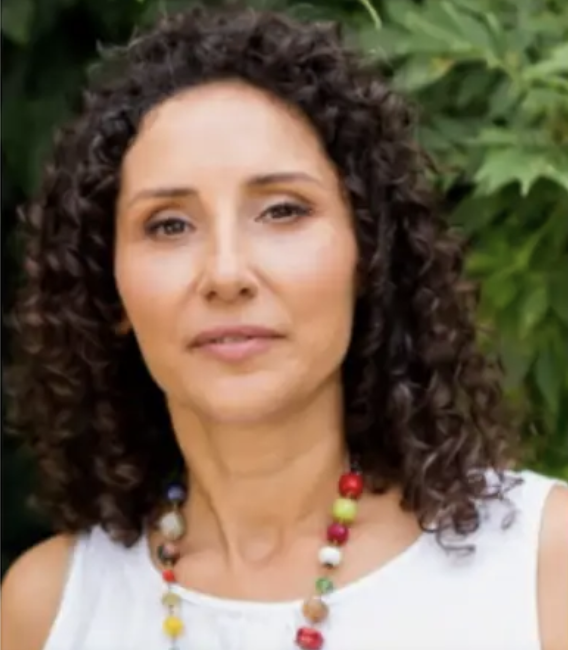
Soraya Mansour is a therapist in west and south west London
What attracted you to become a therapist?
I’ve always been naturally empathetic and deeply curious about what drives human behaviour, which initially led me to study psychology at university. However, it wasn’t until I faced a series of personal challenges—losing my mother, going through a divorce (being left to raise my young children alone), and experiencing the loss of my home—that I truly began my own healing journey.
I turned to self-development books and podcasts for support, and one day, I came across an interview with Marisa Peer, the founder of Rapid Transformational Therapy (RTT). Her analogy about how if we are in agony with a toothache and we go to the dentist, we don’t want to simply talk about it and then be told to come back again. We want the infected tooth to be pulled out so we can feel better and then we can talk easily! This deeply resonated with me. I had so much pain that I had been repressing for my children’s sake to seem ‘strong’ and I didn’t simply want to keep picking at scabs by talking about it all. I wanted to feel better! This thinking was the beginning of a powerful shift for me.
After experiencing profound personal transformation through RTT myself, I felt a strong calling to help others break free from limiting beliefs and emotional blocks. Becoming a therapist has allowed me to channel my empathy into meaningful work that helps create real, lasting change.
Where did you train?
I trained in Rapid Transformational Therapy (RTT) under Marisa Peer, and I’m a certified Clinical Hypnotherapist through the RTT School. I also hold additional CPD training in trauma-informed practice, anxiety, and inner child work. I am currently studying energy healing as I think that this a powerful modality that I intend to incorporate into my work.
Can you tell us about the type of therapy you practise?
As mentioned earlier, I practise Rapid Transformational Therapy (RTT) and Clinical Hypnotherapy. RTT is a hybrid therapeutic approach that combines the most effective elements of hypnotherapy, psychotherapy, cognitive behavioural therapy (CBT), and neuro-linguistic programming (NLP). It works at the subconscious level to identify the root cause of an issue, reframe limiting beliefs, and create new, empowering thought patterns. I’ve found that my clients often experience breakthroughs in just a few sessions, I’d like to clarify here that I classify one session as a 30-day package which covers three one-hour Zoom calls, a two-hour hypnosis session as well as a personalised hypnosis recording (that needs to be listened to each night before sleep.
How does RTT help with symptoms of anxiety?
RTT helps people with anxiety by addressing the subconscious drivers behind the emotional response. From what I’ve seen with my clients is that anxiety stems from embedded beliefs like "I'm not enough", “I’m different” or “Things aren’t available to me”. Through hypnosis, we uncover and reframe those beliefs that are driving the negative soundtrack playing at the back of the mind, giving the mind new, healthier ways to respond which is then reinforced with the daily listening to the personalised hypnosis recording. Clients frequently report feeling lighter, calmer, and more in control after just one or two sessions.
What sort of people do you usually see?
I have worked with children, but I mainly work with adults. Many are dealing with anxiety, low self-esteem, imposter syndrome, procrastination, or challenges with confidence, relationships, or purpose. Some are high achievers who feel “stuck” internally despite external success.
Have you noticed any recent mental health trends or wider changes in attitude?
Yes, I have. There seems to be growing awareness that mental health is just as important as physical health. I’ve noticed more people seeking therapy proactively, not just during crises.
There’s also a shift toward holistic and subconscious-based therapies like hypnotherapy, as people are increasingly open to approaches that go beyond talk therapy.
What do you like about being a therapist?
It’s definitely a privilege to witness someone’s breakthrough moment. The moment when they truly see themselves differently. I love empowering my clients when they understand that they are not broken, just carrying outdated programming that no longer serves them.
What is less pleasant?
It can be emotionally draining at times, especially when supporting clients through very painful memories. I’ve learned how essential it is to practise good self-care and set boundaries so I can continue to show up fully for others.
How long have you been with Welldoing and what do you think of us?
I’ve only been with Welldoing since May 2025, but I have already really valued being part of a platform that is so committed to high standards and therapist support.
The CPD sessions and peer support options are fantastic, and I appreciate how user-friendly the site is for both clients and therapists.
What books have been important to you in terms of your professional and personal development?
Books have been key to my growth. Some that have stood out are:
- The Body Keeps the Score by Bessel van der Kolk
- You Can Heal Your Life by Louise Hay
- The Power of Now by Eckhart Tolle
- Trust your Vibes by Sonia Choquette
I often recommend The Miracle Morning by Hal Elrod—it’s accessible and powerful for setting foundation for mindset work.
What do you do for your own mental health?
I use many of the tools I teach—self-hypnosis, journaling, meditation, and Emotional Freedom Technique (EFT) (tapping).
I also prioritise regular supervision, personal therapy when needed, exercise, drinking water and lots of time in nature to stay grounded.
You are a therapist in London. What can you share with us about seeing clients in this area?
I work with clients in a hybrid fashion as even those who choose to work face-to-face, there will be a couple of calls via Zoom. However, some clients choose to work completely online due to their busy schedules or if they are based outside of London or outside of the UK. I always reassure clients that hypnosis online is just as effective as it is in-person.
For those clients who prefer to work with me face-to-face, I am based in Queen's Park in West London, but I also see clients at my practices in Kensington, Chiswick, Clapham and Wimbledon.
There is a very diverse community in London. Many of my clients are navigating high-stress lifestyles or transitional periods in life.
What’s your consultation room like?
All my consultation rooms are calm, warm, and thoughtfully designed to feel like a safe space. I use soft lighting, calming tones, and comfortable seating. Whether in-person or online, my aim is to create an atmosphere of trust and ease.
What do you wish people knew about therapy?
That therapy doesn’t mean something is “wrong” with you. It’s an investment in your growth, your peace, and your potential. And the sooner we deal with the root cause of the limiting beliefs you hold, the more empowered and freer you can feel in daily life.
What did you learn about yourself in therapy?
That the stories we tell ourselves shape our lives—but they’re not always true. Therapy helped me reconnect with self-worth, trust my intuition, and feel comfortable being completely authentic.