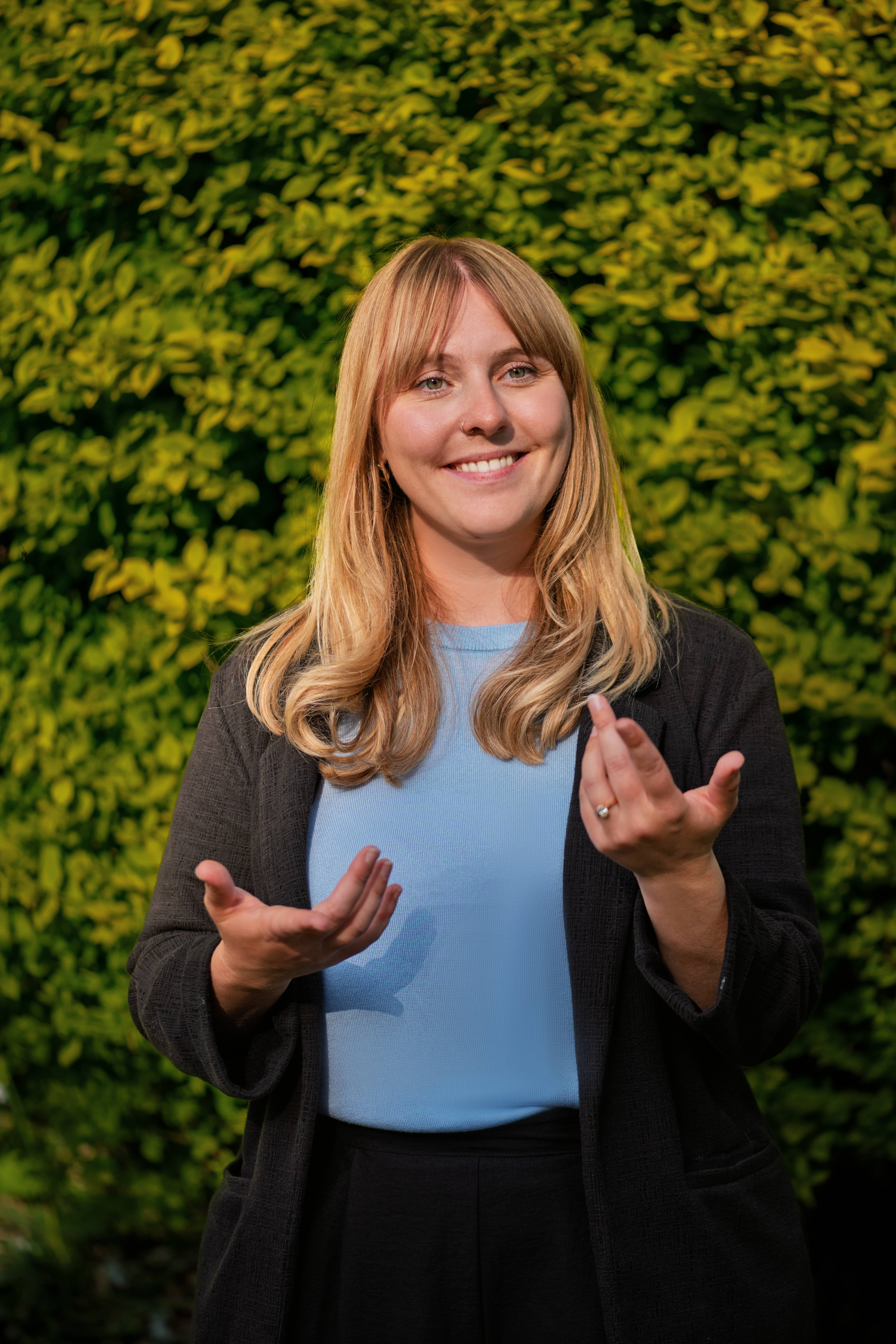
Nathalie Ostrowski is a therapist in Brighton and Hove
What attracted you to become a therapist?
I have always been curious about the human mind and wanted to understand why we feel and behave the way we do.
Where did you train?
I did my MSc (Therapeutic Counselling) at the University of Greenwich. In addition to my core training, I am on a Doctoral course in Existential Psychotherapy with the New School of Psychotherapy and Middlesex University.
Can you tell us about the type of therapy you practise?
I chose to practice integrative psychotherapy because I believe that many different therapeutic approaches offer something valuable. At the same time, research shows that the therapeutic relationship is one of the most powerful factors in creating meaningful and lasting change.
For me, integrative psychotherapy places this relationship at the heart of the work by creating a space where genuine connection, understanding, and growth can take place.
My integrative psychotherapy is informed by psychodynamic, existential, and gestalt therapy. Through a psychodynamic lens, we explore how conscious and unconscious past experiences shape the way clients think, feel, and behave today. This can help uncover the barriers that clients have built to keep safe but these walls equally create distance to others. With existential therapy, we look at how clients can find their own sense of freedom and choice in a world that can be limiting. This can help clients to live more fully and authentically. Through gestalt therapy, we work with imagination, using visualisations and focus on the here and now to bring more awareness to the present experience.
How does integrative psychotherapy help with symptoms of anxiety?
I often work with clients who struggle with anxiety which can feel incredibly overwhelming. For them, their mind and body are always on high alert. In my therapy, we don’t just try to make those feelings disappear, we gently explore what lays underneath them. Anxiety can have roots in past experiences and relationships and by understanding where these feelings come from the anxiety becomes less confusing and less powerful. Together, we build awareness and practical ways to feel more in control to enable you to manage your overthinking instead of feeling trapped by it.
The therapeutic relationship is another key element of my therapy. Through a safe, attuned relationship built on empathy, consistency, and compassion, my clients are able to explore what it feels like to be truly supported and understood. This experience often becomes a catalyst for healing long-held relational wounds and patterns.
What sort of people do you usually see?
I work with individual adults who struggle with anxiety, low mood, grief, relationship issues or a sense of meaninglessness in their lives. Many of the people I see have experienced some form of trauma or difficult life experiences.
A common theme in my work is supporting clients who tend to prioritise others’ needs and feelings over their own, often leaving little space for their own wellbeing.
Have you noticed any recent mental health trends or wider changes in attitude?
In the therapy community I hear many colleagues talk about their concerns about an over-reliance on ADHD and ASC diagnosis. There is an assumption that the diagnosis of neurodivergence closes doors for therapeutic exploration. In my therapy rooms I have found the opposite to be true. When clients explore neurodivergence, and eventually receive a diagnosis, many doors for exploration seem to open. Clients with ADHD and ASC have often experienced trauma due to constant rejection and because they grew up in a world designed for “neurotypical” people. A diagnosis can help them feel more compassion towards their younger selves and can therefore help to explore their experience of living a childhood filled with misunderstanding and masking.
Another concerning trend that I notice in society is transphobia, for me it feels like many people are going back to black and white thinking dismissing the many grey areas in life.
What do you like about being a therapist?
Being a therapist has been one of the biggest privileges of my existence so far. I don’t take the trust that my clients place on me lightly. It can take courage to be vulnerable and to open yourself up to the possibility of change. Being able to walk alongside my clients through suffering and healing reminds me of the possibility of change even in times of hopelessness.
What is less pleasant?
While we can work on your individual wellbeing and mental health I understand that you do not live in a vacuum – you are part of the world and as such your wellbeing will be impacted by current news, wars and political hostility. Unfortunately, no therapy will be able to get rid of the discrimination and hostility that many suffer outside of the therapy room.
How long have you been with Welldoing and what you think of us?
I have been with Welldoing for six months. I have specifically enjoyed the weekly newsletters as a quick way to stay up to date. I am amazed by the offer of different CPDs.
What books have been important to you in terms of your professional and personal development? Do you ever recommend books to clients?
The Gift of Therapy by Irvin D. Yalom
Trauma and Recovery by Judith Herman
The State of Disbelief by Juliet Rosenfeld
What you do for your own mental health?
I love being in nature, specifically going for walks and hikes. In summer I spent most of my free time gardening. I enjoy going to concerts and always feel a special connection and humanness in the crowds of music venues.
You are a therapist in Brighton and Hove. What can you share with us about seeing clients in this area?
I am a therapist in Brighton and Hove. I love that Brighton and Hove offers an openness to difference. We have a big LGBTQ* community and I see a lot of diversity in my client base, many young professionals who moved to Brighton to follow their dreams. However, the freedom of living in Brighton comes at a financial cost and I hear many clients talk about the financial pressure of living in Brighton.
What’s your consultation room like?
Welcoming and versatile. I work from three different rooms to offer as much flexibility as possible to my clients. Those rooms are inviting with indirect light and comfortable seating. I try to make sure that these rooms are appropriate for clients with differing sensory needs. My room in Brighton is wheelchair accessible.
What do you wish people knew about therapy?
You can bring absolutely everything to your therapy sessions. There’s no need to come prepared, and there’s no such thing as the “right” time to begin. No problem is too small or too big. The more you allow yourself to show up authentically and without self-censorship, the sooner we can begin deeper exploration.
I often describe therapy as a kind of playground for self-discovery. The patterns and difficulties you experience in your relationships outside the therapy room often show up within the therapy. This gives us a safe and supportive space to explore what’s happening in the present moment and to find your own ways of navigating these challenges.
While I bring expertise in psychotherapy, you are the expert in your own life. My role is to walk alongside you, to explore your experiences, your pain, and your growth. But I will not tell you what to do. I don’t offer advice, because I believe the most meaningful change comes when you find your own answers and your own way of being in the world.
What did you learn about yourself in therapy?
Healing takes time, and it isn’t a straight path. Being a client in therapy can be challenging, it asks for courage, honesty, and emotional energy. Yet, in my experience, the growth that comes from allowing ourselves to be vulnerable far outweighs the discomfort of staying stuck.