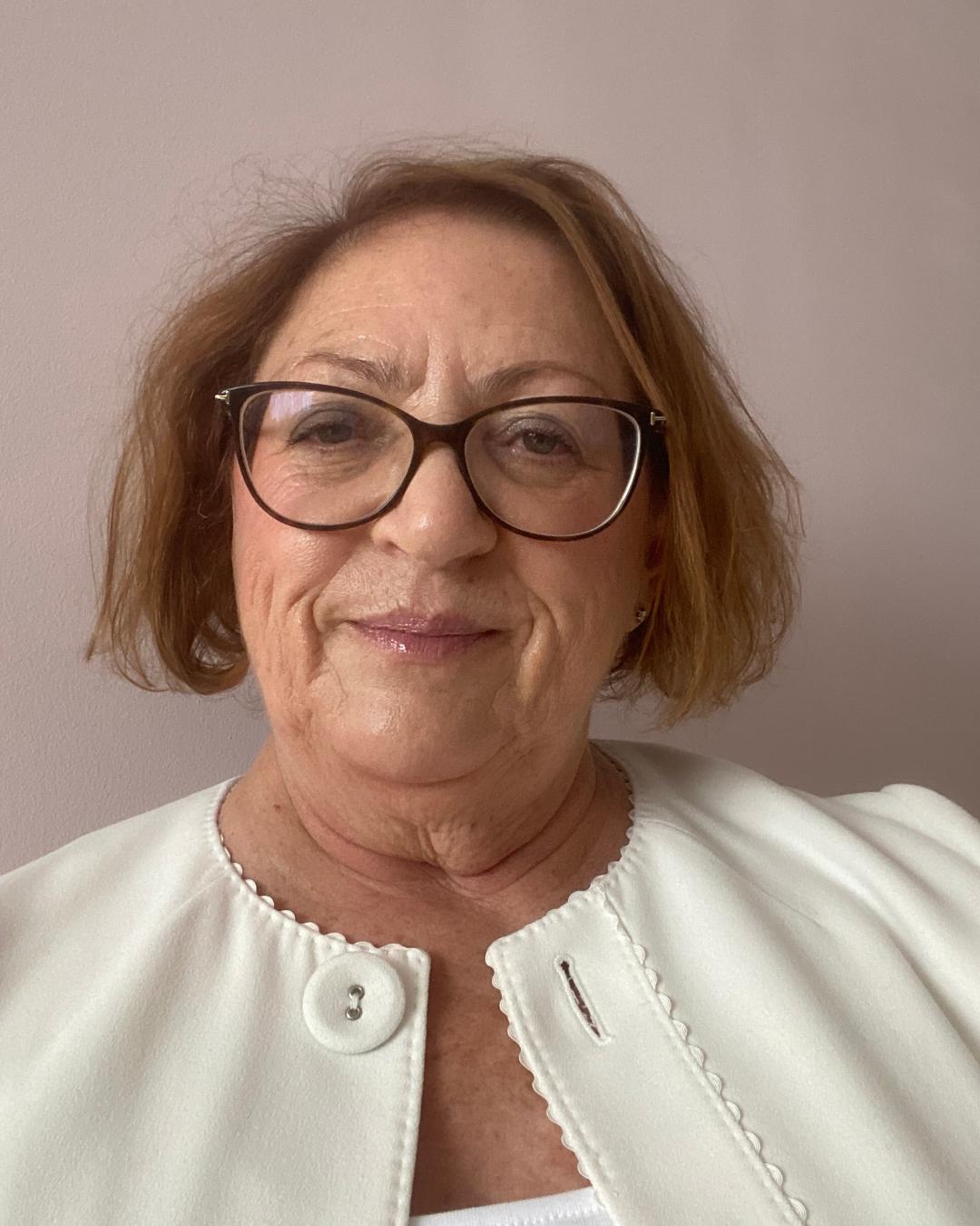
Ella Shtaingos is a therapist in NW11, London
What attracted you to become a therapist?
I decided to train as a therapist later in life after experiencing chronic back pain. At that time, I was working as a tour guide but had to stop because I was struggling to walk. Through therapy, I discovered that the root cause of my back pain was emotional unhappiness. I came to therapy because I wanted to be happy. It sounds simple in theory but not in practice. My road to full recovery was bumpy, but I was fortunate to be treated by a wonderful therapist.
For me, therapy is about feeling good. We all encounter challenges in daily life because we are vulnerable human beings, but therapy can change how we feel. It can be a deeply meaningful and inspirational experience.
Where did you train?
I completed a five-year training programme at the Centre for Counselling and Psychotherapy Education in London. I am accredited by the UK Council for Psychotherapy and committed to continuous professional development through training, workshops, and research.
I completed a secondment at Caravan, a drop-in and phone counselling service offering support to anyone in need.
I have also worked with the charity HomeStart, providing transformative, non-judgemental, compassionate, and confidential support to families with young children, and at Freshstart, where I offered affordable, long-term psychotherapy for issues such as depression, anxiety, anger management, bereavement, and low self-esteem.
Can you tell us about the type of therapy you practise?
I practise transpersonal integrative psychotherapy.
My sessions are based on an integrative approach that combines a range of therapeutic tools, allowing me to tailor the process to each client’s unique needs. I support clients with warmth, empathy, and a non-judgemental space in which they can safely explore their inner experience and feel truly seen.
How does integrative therapy help with symptoms of depression?
Many clients come to therapy using diagnostic terms to describe their struggles, especially with depression. Depression involves more than just a sad mood as it affects our thoughts, behaviour, and even biology.
Cognitive symptoms may include self-criticism, hopelessness, difficulty concentrating, suicidal thoughts, and pervasive negativity. Behavioural changes might include withdrawing from others, avoiding pleasurable activities, or procrastination. Physical symptoms can include tiredness, insomnia, appetite changes, and weight fluctuations. When severe, these symptoms can interfere with personal relationships or work.
As an integrative psychotherapist, I consider five aspects of depression: environmental, physical, emotional, behavioural, and cognitive. I often use cognitive behavioural therapy techniques to introduce small, practical changes that can gradually lift depressive symptoms.
Have you noticed any recent mental health trends or wider changes in attitude?
It seems there has never been a greater need to prioritise our mental health than now. People are becoming more aware that the human body has an innate ability to heal itself.
Scientific research shows that by consciously changing breathing patterns, we can restore balance to the body’s stress response, calm an agitated mind, and relieve symptoms of anxiety or post-traumatic stress disorder. Although breathwork has existed for thousands of years, modern research helps us understand its profound benefits.
The stresses of modern life often generate negative emotions such as anxiety, anger, and frustration, contributing to physical issues like obesity, inflammation, and immune dysfunction. A simple daily breath practice can improve overall quality of life, helping us reconnect with positive emotions and compassion toward ourselves and others.
What do you like about being a therapist?
The most rewarding part of being a therapist is seeing a client begin to feel safe in the process and gradually discover their true self. Knowing that I have played a part in creating that safe, non-judgemental space is deeply fulfilling.
What is less pleasant?
As therapists, we cannot undo or replace a client’s past losses, but we can help them process feelings of disappointment, anger, sadness, and grief. Loss often becomes a central theme in therapy, especially when approaching the end of the therapeutic relationship.
Endings can evoke strong emotions and must be handled with great sensitivity. Because of that, the closing phase of therapy can sometimes be less pleasant, yet it is also a vital part of the healing journey.
How long have you been with Welldoing, and what do you think of us?
Although I have only been with Welldoing for a few months, I have already used the MatchPlus service and really appreciate Welldoing’s thoughtful and professional approach.
I take part in CPD sessions whenever possible and enjoy catching up on past recordings as well.
What books have been important to you, personally and professionally?
Two books that have been particularly influential in my professional development are The Internal Family Systems Therapy for Shame and Guilt by Martha Sweezy and The Child in You by Stefanie Stahl.
I often recommend Why Love Matters by Sue Gerhardt to my clients, as it provides powerful insight into the role of early attachment in emotional wellbeing.
What do you do for your own mental health?
I walk regularly and practise yoga and meditation.
I also love travelling and exploring faraway places. Recently, I spent time on Lake Titicaca and visited the floating Uros Islands in Peru, a truly unforgettable experience.
You are a therapist in North West London. What can you share about seeing clients in this area?
I work in Central London, in an area called Little Venice. London is one of the most ethnically diverse and multicultural cities in the world, with no single majority group. It is a place where cultures, traditions, and languages from across the globe come together, creating a uniquely dynamic environment.
This diversity shapes my experience as a therapist, allowing me to work with clients from many different backgrounds and walks of life.
What’s your consultation room like?
My consultation room is not just a physical space. It is part of the therapeutic process, carefully designed to support healing. I chose my office in Golders Green for its accessibility. It is close to public transport and has parking available nearby.
The location itself plays a role in the therapeutic experience. I believe therapy begins the moment clients start their journey, from leaving home or work to finding parking and finally entering the room. Each step is part of the process.
My therapy room offers a sense of seclusion, where the outside world feels distant. It is not too big and not too small, just the right size for comfort and connection. My clients and I have enough space to feel at ease yet close enough to hear each other clearly and notice subtle expressions. The seating is movable so everyone feels comfortable during the session.
The room’s light and calming colours are chosen to promote a sense of peace and focus.
What do you wish people knew about therapy?
I wish people understood that therapy is not an intellectual exercise. The quality of the relationship between client and therapist is one of the most important factors in creating change. A strong therapeutic bond enhances feelings of trust, safety, and openness, which are essential for healing.
What did you learn about yourself in therapy?
I learned that I am simply another human being.