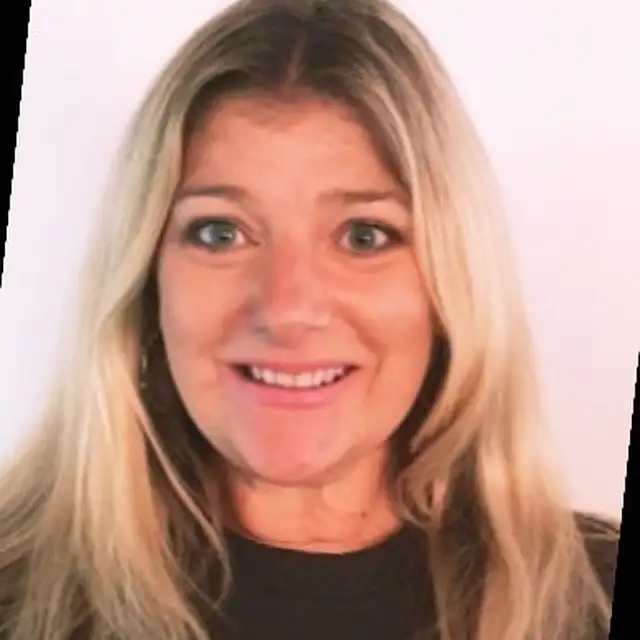
Debi Bell is a therapist in East Yorkshire and online
What attracted you to become a therapist?
I came to counselling after a long career as a senior director in supply chain and operations. I'd spent years in high-pressure environments watching what that kind of work does to people, including myself. I trained as a Samaritan first, and that experience of sitting with someone in real distress, without an agenda, without trying to fix anything, changed something in me. I wanted to do that work properly.
Where did you train as a therapist?
I completed a Post graduate qualification in Counselling at Level 7, graduating in 2026. I'm a registered member of BACP and hold an EFCT externship through ICEEFT, the International Centre for Excellence in Emotionally Focused Therapy. I'm also a qualified mediator and hold ASIST suicide intervention training.
Can you tell us about the type of therapy you practise?
For individuals I work person-centred, which means there is no fixed agenda. You lead, I follow. The pace is yours, the priorities are yours. For couples I use Emotionally Focused Therapy, which is rooted in attachment theory. EFT gets underneath the arguments to the emotional cycles keeping couples stuck. Most couples aren't fighting about what they think they're fighting about.
How does EFT help couples with their relationships?
EFCT - Couples often arrive having had the same argument hundreds of times without resolution. EFT helps identify the pattern driving that cycle usually one person pursuing, one withdrawing, both feeling unheard and disconnected. Once you can see the pattern clearly, you can start to change it. The research behind EFT is strong and the results tend to be lasting.
What sort of people do you usually see?
Adults, both individuals and couples. A lot of my clients are professionals — people who are highly capable at work and struggling privately. Burnout, redundancy, relationship strain, grief, the particular disorientation of midlife. Couples who love each other but can't find their way back to each other. People who have been putting this off for a long time.
Have you noticed any recent mental health trends or wider changes in attitude?
Burnout is everywhere and it's being talked about more honestly than it used to be. I also see a lot of people navigating major life transitions including redundancy, menopause, bereavement, that don't always get recognised as the significant events they are. There's also, I think, a growing appetite for therapy that doesn't feel clinical or detached. People want to feel genuinely met.
What do you like about being a therapist?
The privilege of it. People bring things into that room they haven't said out loud before. That matters enormously and I never take it for granted.
What is less pleasant?
Endings can be hard. When someone has done significant work and the relationship closes, that has a weight to it even when it's the right outcome.
How long have you been with Welldoing and what you think of us?
I joined Welldoing in May 2026. What I appreciate about the platform is that it presents therapists as whole people rather than just a list of credentials. That matters when someone is trying to work out whether they can trust you.
What books have been important to you in terms of your professional and personal development? Do you ever recommend books to clients?
Professionally, Sue Johnson's Hold Me Tight is essential reading for anyone working with couples. Peter Levine's work on trauma has also shaped how I think. Personally I read widely fiction, memoir, books on grief and midlife. I'm part of a book club and I think reading across genres keeps you connected to the full range of human experience. I do sometimes recommend books to clients. The Body Keeps the Score comes up often, as does When Things Fall Apart by Pema Chödrön for people navigating loss.
What you do for your own mental health?
I read. I have my own supervision and I take it seriously. I've done my own therapy and I think that's non-negotiable for anyone in this work. Going deep into my own emotional history, understanding attachment, the inner child, basically what I carry has made me a better therapist and a more honest person.
You are a therapist in East Yorkshire. What can you share with us about seeing clients in this area?
East Yorkshire has a particular character. There are affluent, high-achieving communities alongside real pockets of difficulty, and people in both don't always find it easy to ask for help. There's a self-sufficiency here that I recognise and respect, but it can mean people wait too long. I'm based in Cottingham near Hull and see clients across the area and online.
What’s your consultation room like?
Calm and quietly set up for the work which is in central in Cottingham with easy parking. It feels like a tranquil counselling space, separate from the busyness of everyday life.
What do you wish people knew about therapy?
That you don't need to be in crisis to come. And that not knowing exactly what's wrong is a perfectly good reason to start.
What did you learn about yourself in therapy?
That I had been a very good listener to everyone except myself. Going into my own emotional depth, understanding my attachment patterns and what I'd been carrying, was uncomfortable and completely worth it.