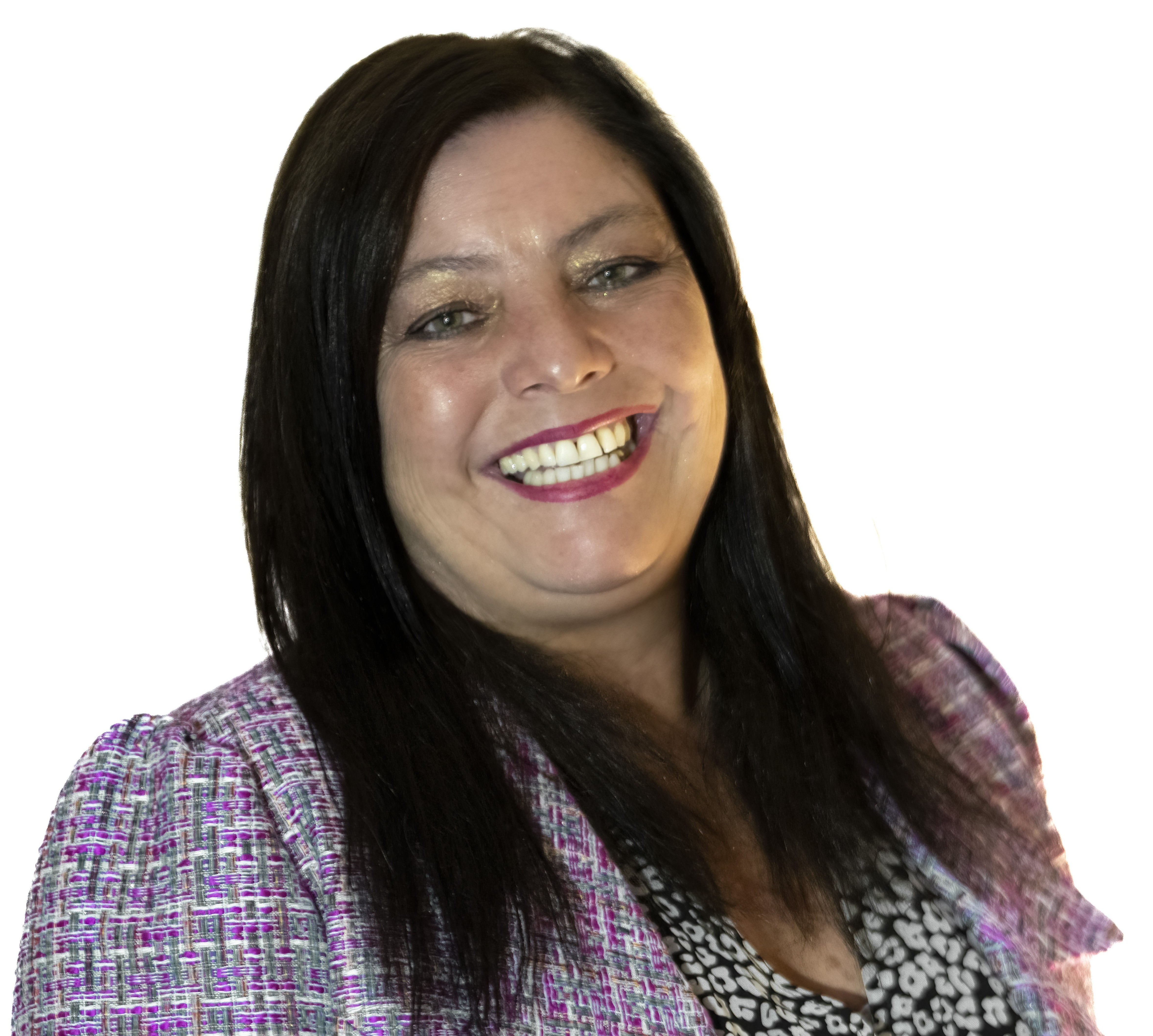
Sarah Cree is an online counsellor
What attracted you to become a therapist?
In my twenties, I experienced deep personal trauma and sought counselling to begin healing. The therapeutic relationship became a turning point – it showed me what compassion, safety and understanding can feel like when you are most vulnerable.
Over the last 30 years, I have grown into the person I needed back then, and it has been a quiet calling to offer others the same kind of support. I believe in creating a space where people can show up just as they are, express themselves freely, and move toward healing at a pace that honours their own rhythm. That early experience taught me that therapy can be life-changing. It is why I chose to walk beside others on their path.
Where did you train?
I trained at Chapters Counselling and Training, a counselling community known for its depth and integrity. My time there lay the foundations not only for my therapeutic skills, but also for how I show up in the room — with presence, care and curiosity. It was a space that fostered both professional rigour and personal reflection, and I'm deeply grateful for how it shaped me.
Can you tell us about the type of therapy you practise?
At the bedrock of my practice is a person-centred approach — I believe deeply in everyone’s capacity to heal and grow when given a safe, attuned space. My sessions are rooted in compassion, trust, and inclusivity, and I work with integrity, drawing from person-centred Therapy, DBT, CBT, inner child work, and mindfulness-based techniques. This allows me to co-create personalised sessions that honour the uniqueness of each person’s story.
My work is affirming for neurodivergent clients, with tailored support for ADHD and autism that explores identity, masking, emotional regulation and self-acceptance. I also offer grief and bereavement counselling, couples therapy, and menopause wellness coaching — guiding clients with emotional depth and gentle clarity through life’s many transitions.
I have witnessed firsthand how a safe therapeutic space can spark meaningful change. I hold a trauma-informed and holistic perspective, and I often incorporate creative tools — such as writing, drawing and sandtray – to support deeper healing and reconnection with inner resources. I believe we are the experts in ourselves, and with the right environment, even long-held patterns can shift. That belief continues to shape how I show up, every day.
How does person-centred counselling and psychotherapy help with symptoms of trauma and neurodivergence?
Receiving a neurodivergent diagnosis — whether ADHD, autism, or otherwise — can be a deeply transformative experience. It may bring relief and clarity, but also stir grief, anger, or feelings of lost time. For many, trauma and neurodivergence are intertwined; masking, misunderstanding, and internalised stigma can leave emotional wounds that are hard to articulate.
In my practice, person-centred counselling and psychotherapy provides a gentle, affirming space to explore these layers without pressure or judgment. Clients are supported in unpacking the emotional impact of their diagnosis and healing from past experiences that may have contributed to shame, anxiety, or burnout.
I tailor sessions to each person’s needs, integrating grounding tools, creative expression, and trauma-informed techniques to help build emotional regulation and self-trust. Therapy room becomes a sanctuary — a space where neurodivergent identity is not only understood but cherished, and where healing unfolds at a pace guided by the client’s own wisdom.
What sort of people do you usually see?
Throughout my career, I have had the privilege of supporting a wide range of clients — from children and young people, to adults, couples, and families —each bringing their own unique story, shaped by loss, fear, and longing. These emotional currents often surface through grief, trauma, relationship difficulties or identity questions, and I’ve walked alongside clients from diverse cultural, religious, and neurodivergent backgrounds as they navigate them.
While I have loved working with younger clients, my practice is gradually shifting focus. I am now drawn to therapeutic work with adults, couples and families—spaces where deeper self-reflection and intergenerational healing can take root. What remains constant is my commitment to creating an affirming environment where every client feels deeply seen, respected, and empowered.
Have you noticed any recent mental health trends or wider changes in attitude?
Yes, and they are both encouraging and complex. There is a growing openness around mental health, with more people seeking therapy not only in crisis, but to explore identity, process trauma, and reconnect with themselves.
Conversations around neurodivergence, emotional wellbeing, and systemic influences are becoming more nuanced and inclusive.
One powerful shift is the rise in late diagnoses and self-identification — particularly around ADHD and autism. For many, receiving a diagnosis in adulthood is life-changing. It brings clarity, but also grief, as they begin to reframe past experiences through a new lens. This process often stirs trauma, especially when clients reflect on years of masking, misunderstanding, or feeling “othered.”
Social media has amplified these conversations, offering validation and community — but it also fuels comparison, anxiety, and burnout. I often work with clients to gently untangle these influences and reconnect with their inner compass.
Intergenerational trauma is another growing area of awareness. Clients are increasingly exploring how emotional wounds, coping patterns, and unspoken grief are passed down through families. This work often reveals how cultural expectations, silence, and survival strategies have shaped their sense of self. Therapy room becomes a space to name these patterns, mourn what was lost, and begin to heal across generations.
Cultural shifts are also reshaping family dynamics. There’s more openness around gender, sexuality, and neurodiversity — but also tension, as families navigate changing norms. I support clients in finding their voice within these evolving landscapes, honouring both their heritage and their growth.
At the same time, services are stretched, and many communities still face barriers to care. That’s why creating inclusive, affirming spaces — where clients feel seen and safe — is more important than ever.
What do you like about being a therapist?
I feel deeply privileged to sit alongside clients as they share their stories with honesty and courage. There is something truly beautiful about the moment when someone begins to see themselves differently — when the fog starts to lift and they realise, perhaps for the first time, that they are enough.
I love being part of that journey — watching clients spread their wings and take their newly discovered sense of self out into the world. Whether they are navigating joy or challenge, there is a shift in how they relate to life and to themselves. Seeing someone reconnect with their own worth, trust their inner voice, and feel ready for what is ahead... it is an honour I never take for granted.
What is less pleasant?
Therapy is full of light — but it also asks us to sit in the dark. There are times when a client’s pain runs deep, and the progress feels painstakingly slow. Bearing witness to that suffering, while holding hope for healing, can be emotionally taxing.
It is especially hard when someone’s ready to change, but life keeps throwing barriers in their path — when trauma resurfaces, or relationships undermine growth, or systems fail them. I hold compassion close during those moments, but they stay with me.
And sometimes, there's silence — the space where a client is not ready, is not willing, or is not safe enough to be open. That can feel heavy. I remind myself that planting seeds matters, even when the blossoming takes time.
Still, even on the most difficult days, I trust the process. Because showing up, being present, and believing in someone’s capacity to heal — it matters. It always matters.
How long have you been with Welldoing and what you think of us?
I have only been with Welldoing for a short time — but I have already felt a sense of connection. I have taken part in the support group, and what truly drew me in was the warmth, the depth of support, and the wealth of opportunities to connect.
It is rare to find a space that feels both professional and deeply human. Welldoing offers that, and it has been a comforting and inspiring start to my journey here.
What books have been important to you in terms of your professional and personal development? Do you ever recommend books to clients?
Absolutely — I read all the time, and many books have had a lasting impact on me. Recently, I shared The Body Keeps the Score with a client while exploring the emotional dimensions of pain, after looking at physical and lifestyle factors. It felt like a meaningful moment of connection.
Carl Rogers' work has been especially affirming for me — his biography helped me feel deeply anchored in the values I hold as a therapist. I have also found great insight through Maslow’s ideas, and Neurotribes opened my eyes in powerful ways.
Lately, I’ve enjoyed books like The Menopause Brain and The Menopause Reset, which offer valuable perspectives on stages of life that are not always spoken about openly. I gravitate towards books on self-care and compassion as well — they help me stay grounded and remind me of the importance of tending to my own inner world too.
Attachment theory is another area I’ve explored deeply, particularly its relevance in couple’s work. Books like Attachment in Psychotherapy and Sue Johnson’s writing on emotionally focused therapy have shaped how I support clients in understanding their relational patterns and building more secure connections.
I’ve also found Pluralistic Counselling and Psychotherapy to be a key text — it aligns with my view that no single approach suits everyone and honours the collaborative nature of the therapeutic relationship. That flexibility and co-created space feels true to how I work.
There are so many books that shape how I show up in therapy room with clients — reading, for me, is both a source of knowledge and nourishment.
What you do for your own mental health?
I prioritise self-care in ways that feel grounding and restorative. I make time to exercise, practise yoga, and meditate — each offering a different kind of presence and stillness. Spending quality time with close friends and loved ones is also essential; those moments of connection bring joy and perspective.
Music is one of my greatest joys. Whether I am listening deeply, singing along, or letting a melody move through me, music always lifts my mood and helps me feel more connected — within and beyond myself.
I find real nourishment in nature — whether running outdoors, listening to birdsong, or simply breathing deeply in green spaces. It helps me reconnect with something bigger than the day-to-day. These practices support my wellbeing and allow me to show up fully for my clients, with clarity, calm, and compassion.
You are an online counsellor based in Northumberland. What can you share with us about seeing clients online?
While I am based in the heart of Northumberland, my work stretches far beyond the local landscape. Thanks to the flexibility of online collaboration, I regularly work with clients across the UK and internationally.
Living rurally and close to the beach also deeply shapes my outlook — bringing a sense of calm, contentment and groundedness that naturally carries into the way I support others. It is this blend of peaceful environment and global connection that allows me to approach my work with both clarity and compassion.
What’s your consultation room like?
Although I work solely online, I hold space for clients in a way that feels warm and welcoming from the moment we connect. My virtual therapy room is thoughtfully designed to reflect comfort, calm, and presence. Soft lighting and canvas prints of forests and wildflowers frame my space, offering a sense of connection to nature and grounding energy — even through the screen.
It is an environment intentionally curated to support healing, ease, and a felt sense of safety, no matter where my clients are joining from.
What do you wish people knew about therapy?
Therapy is not about being fixed, it is about being found. It is a space where your story is honoured, not judged; where the messy, unspoken parts of life get room to breathe.
I want people to know that therapy is not reserved for moments of crisis. It is also for quiet growth, deepening self-understanding, and reclaiming what might have been lost along the way.
It is not about having the “right” words — it is about showing up, and letting yourself be met with kindness and curiosity.
What did you learn about yourself in therapy?
I learned that it is OK to be me. Not the curated version, not the one trying to meet expectations — but the real, whole version, even in moments of vulnerability or uncertainty. Therapy offered me the kind of compassionate space where I could lay down the masks and reconnect with a deeper truth: that I am enough, just as I am. That real healing begins when we stop striving to be different and start allowing ourselves to be seen.
This lesson lives at the heart of how I support others now — with gentleness, curiosity and an unwavering respect for who they already are.