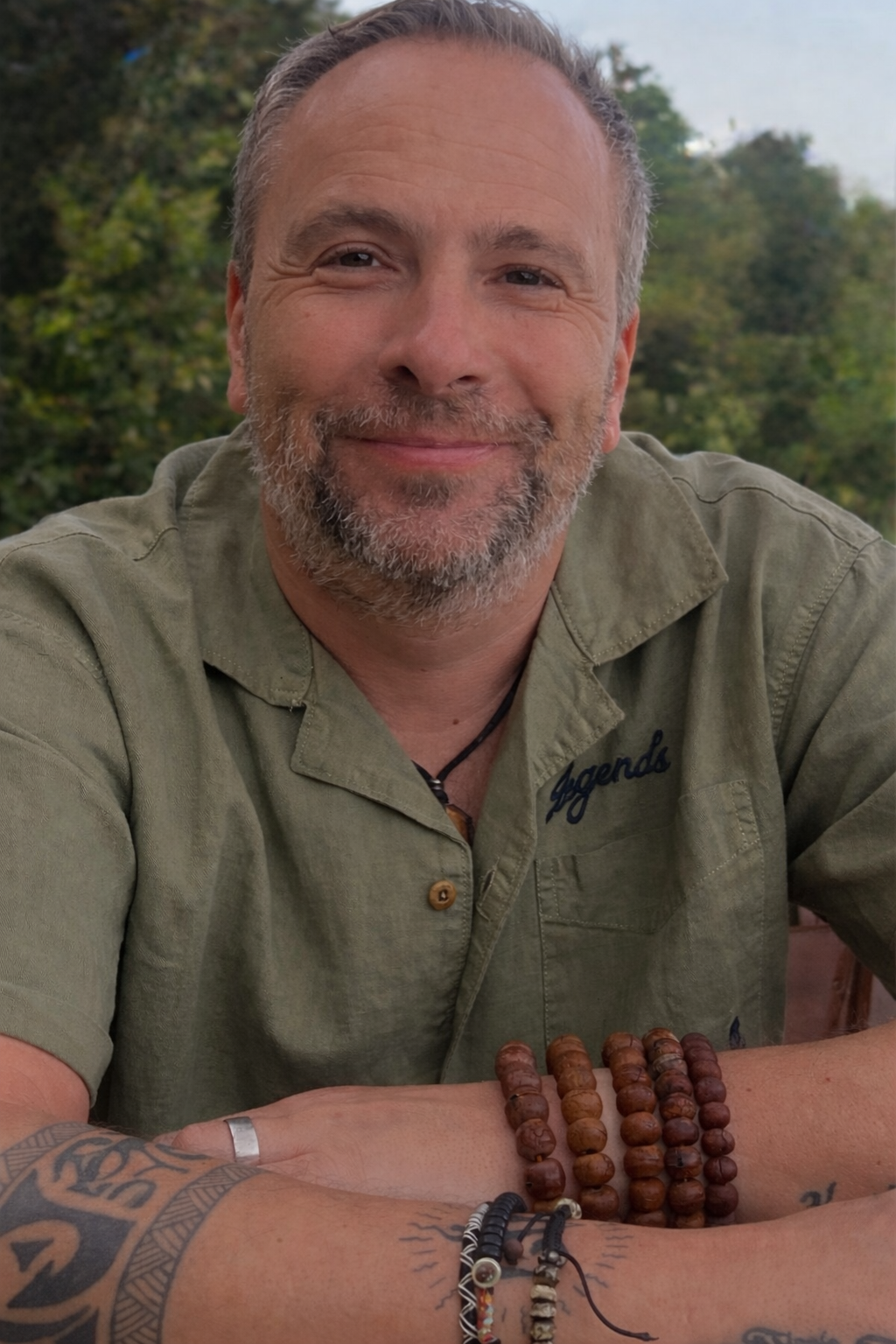
James Leyland-Willows is a psychotherapist in Nottingham and online
What attracted you to become a therapist?
I struggled with my mental health back in 2017, suffering daily with crippling anxiety and panic attacks. I knew I needed help so found a counsellor and she helped me get back to a place where I could enjoy my life again. Fast forward to 2021 where I decided I wanted to put something back into the world and help people in the same way I was. I’ve always enjoyed helping people and as soon as I started the training I knew I had made the right decision.
Where did you train as a therapist?
I trained at Counselling Training in the Midlands (CTTM) in Nottingham. I completed all of my training here.
Can you tell us about the type of therapy you practise?
I am a person-centred therapist and mindfulness coach, so I primarily use PCT and integrate mindfulness and coaching strategies where necessary. My modality is completely client led; at the beginning of each session I will ask my client what it is they would like to bring to the days session. We explore what is going on for you at that moment, without judgment and at their pace. When a client feels heard, understood and accepted just as they are emotions, beliefs or patterns often become clearer and easier to navigate. With this clarity clients become better able to trust themselves more fully and make choices that fit who they really are. So many times we are told or that we should feel a certain way, act a certain way so we pick up these beliefs and start moving towards a version of ourselves that is developed by others. My therapy helps my client move towards their true authentic self. The reason I do not offer advice or tell my clients what to do, is that you're the expert on your own life. If I give advice, it might fit my values, opinions rather than yours. Instead, I'll help you understand yourself so deeply that the decisions you make feel genuinely your own and are more likely to last.
My mindfulness and coping strategies will assist in helping my clients between sessions, or within a session if needed. I offer help in reducing panic attacks/anxiety when they occur through gentle breathwork or grounding techniques. I offer support with meditation, mindfulness work and breathing techniques to reduce anxiety and panic.
I chose the person-centred approach as it fits my beliefs and principles around the authenticity of an individual. I have always had an interest in Buddhism, spirituality, mindfulness and the PCT is closely linked to these concepts hence why I chose the name “Acceptance is Key” for my counselling practice!
How does person-centred therapy help with symptoms of anxiety?
I have a lot of experience around anxiety and trauma and most of my clients fall under one or both of these categories. A great deal of anxiety happens as we hold beliefs about ourselves and how we ‘should/should not’ be. When we go against these beliefs anxiety rises as we are moving further away from our true authentic self. What we do is deny or distort these beliefs to make them ‘fit’ thus reducing the feelings of anxiety. By allowing my clients to be whoever and however they wish to be, they begin to be who they truly are and slowly they become more authentic to their own values, beliefs, feelings rather than that of others. When they move towards this state of being, anxiety will reduce and clients find it easier to navigate through life.
What sort of people do you usually see?
All of my sessions are for individual therapy. Mostly online but I do see clients in Nottingham if they are local to the area. The main age range is between 20 and 35 and most of my clients presenting issues are around anxiety, panic, trauma, bereavement and abuse (physical, mental and sexual)
Have you noticed any recent mental health trends or wider changes in attitude?
People are starting to talk more openly about mental health, talking to someone without fear of judgment. I find men seem to be seeking out help a lot more now than before and most of my clients are male.
What do you like about being a therapist?
Everything! (pretty much!) I love working with clients and seeing the progress they make during their journey with me. Seeing clients getting their lives back, doing things they never thought possible whether through fear, anxiety or their own belief in themselves.
What is less pleasant?
Hearing stories around abuse, neglect, shaming or any part of a person’s life affected by behaviours of others. Mostly people are young children when these happen, and they end up shaping a clients life ahead of them through no fault of their own.
How long have you been with Welldoing and what you think of us?
I have been with Welldoing for about 6 months. I find the concept really good with client/therapist matching, ensuring the therapists are vetted correctly and the way the website is laid out.
What books have been important to you in terms of your professional and personal development? Do you ever recommend books to clients?
My top 5 books (some of which I recommend to clients):
- Carl Rogers – On Becoming a Person
- Joseph Nguyen - Don’t Believe Everything You Think
- T.J Power – The DOSE Effect
- Bessel Van Der Kolk – The Body Keeps the Score
- Prof Steven Peters – The Chimp Paradox
What you do for your own mental health?
Each morning, I have a daily routine starting with the Wim Hof breathing technique using breath holds. I will then have an ice bath and go for a walk in nature. I meditate daily and always finish the day with another round of breath holds. I make sure I read, do not spend more than an hour at most on my phone. I also do Qi Gong daily.
What’s your consultation room like?
I offer both online or in-person in Nottingham at my placement I completed my counselling client hours in called NCS – Nottingham Counselling Service. The rooms are spacious, there is a reception and the staff there are amazing. I am always guaranteed the same room each session and they are really flexible with when I can go there.
What do you wish people knew about therapy?
You don’t always have to have it all figured out, you don’t need to know what to talk about each session – often clients come to a session not really knowing where to start, what to talk about but when they are given the space to be themselves they often talk about whatever comes up for them in each moment. They can begin by talking about their week they’ve had and by the end have talked about their childhood experiences, relationships and they go to wherever they need to go at that moment. When they walk away they often feel a great deal lighter as this was all meant to come out of them at this time.
What did you learn about yourself in therapy?
My anxiety stems from what others think about me, how they view me and how I bend myself to ensure I will be accepted by that person or persons. How much I have lived my life living up to being a version of myself to fit what others thought or expected of me.