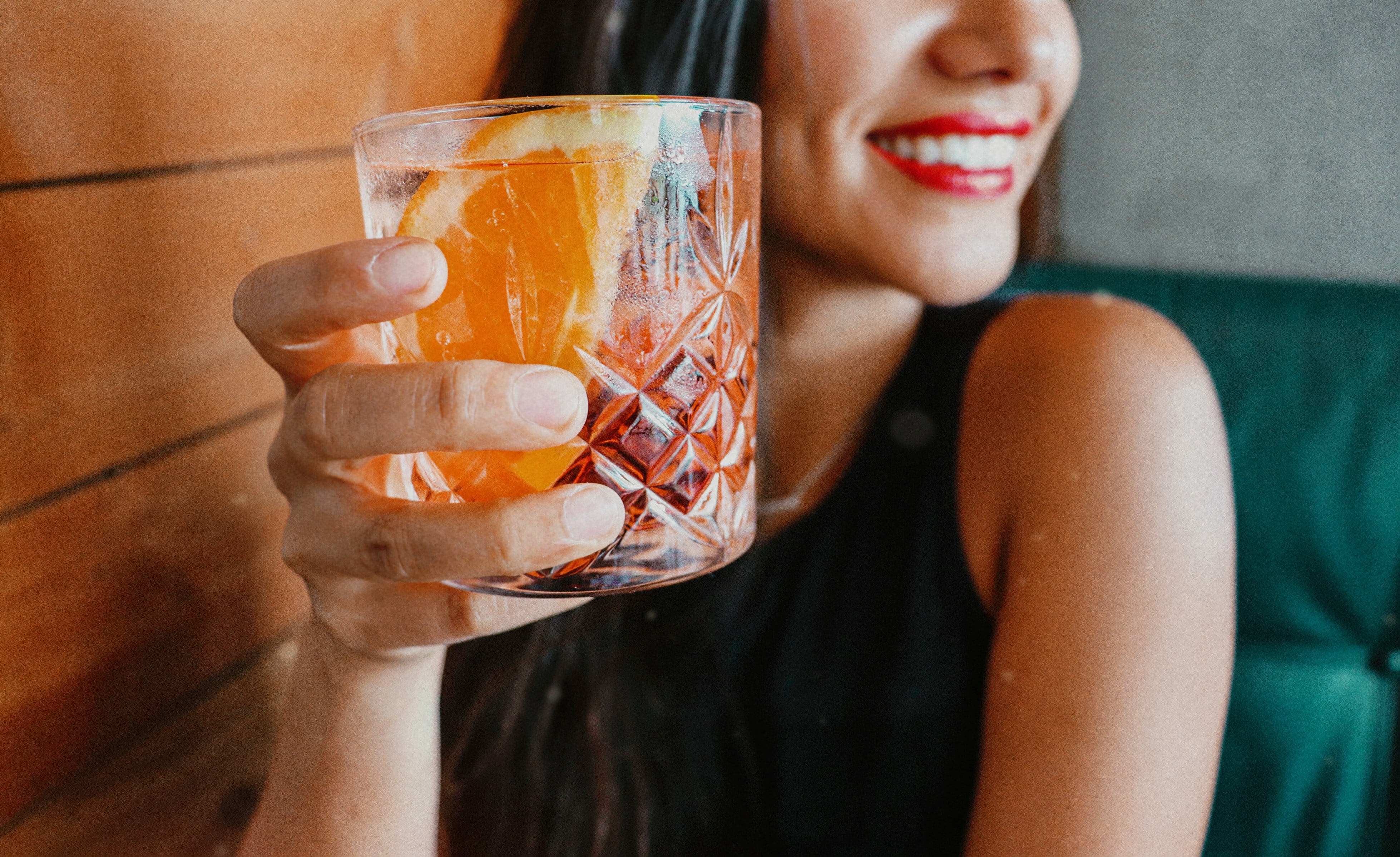
In a subtle, unspoken way, alcohol has grown into the official drug of social interaction. So much of modern culture is built around its use as a social lubricant, an elixir that cures us of awkward, clumsy exchanges. It’s like oil to the engine of the social brain, removing much of the friction two people may typically encounter. Groups pregame events to ensure everyone shows up with a buzz. Couples clink together glasses as they ease into the complexities of dating.
At last call, singles order one more and scan the room eagerly. Under alcohol’s influence, people connect in ways that are unrestrained and sometimes reckless. We share more about ourselves, laugh more, engage in more conflict, and become more sexually promiscuous, among other things. There is a common tie that links each of these behaviours: They’re what we might call uninhibited.
The average sober person has a great deal of top-down control over their behaviour. Their brain’s sophisticated thinking centres can override their more primal urges. They might feel an impulse to share a deeply personal story, draw the attention of others with a loud laugh, fight the guy who bumped into them, or sleep with a stranger, but before they do, a convincing voice warns them to pause and reconsider. Sobriety comes with the ability to suppress bad ideas before they become bad decisions. But when alcohol is on board, that restraining voice seems to be subdued. Those top-down commands shrink to top-down whispers. Why does alcohol do this to the brain?
You’ve probably heard that alcohol is a nervous system depressant. That doesn’t mean it makes people depressed—it means it lowers activity in the brain. The most common inhibitory neurotransmitter in the brain is GABA. When GABA receptors are activated, they open like tiny pores on your neurons and allow negatively charged ions to flow in. This lowers the electrical charge of that neuron, reducing the likelihood that the neuron will fire. This is how GABA suppresses brain activity.
Alcohol is a depressant because it tickles GABA receptors in a way that makes them let in more negative ions. As a result, your brain’s natural GABA signals become stronger and more inhibitory than usual. In other words, alcohol makes your neurons better at shutting one another up. In turn, that can make you worse at something you’re usually quite good at: thinking. When neurons in certain brain areas are silenced, high-level cognitive processes can become less accessible, and your behaviours may turn reckless.
Some anxiety medications work the same way. They enhance GABA signalling in fear-associated brain areas like the amygdala, which can soothe one’s nerves by softening the intensity of their emotional reactions. In similar fashion, alcohol has been shown to turn down amygdala activity. When tipsy people look at angry or fearful facial expressions, they show weaker responses in the amygdala. This means that alcohol may weaken our emotional responses to negative social signals, which makes perfect sense to me. When you lean in for the kiss and see that you’re being fully rejected, it may not sting so bad. You may not feel as remorseful when your tasteless joke is met with faces of disapproval. Processing negative social signals is important for keeping our behaviours in line, but with those regulatory guidelines thrown in the trash, we’re much more likely to make dumb or inconsiderate decisions. So next time you’ve had a couple of drinks, try to keep this in mind (if your hampered neurons will let you).
Drinking tends to take the edge off in social settings. People feel less anxious on blind dates after having a drink, and one small study found that social anxiety levels dropped by 4 percent for each drink a research subject consumed. This anxiety-blunting effect might also be the reason why people turn to a stiff drink after a stressful day.
Together, these two findings can explain a lot of the silly human behaviour we see in bars. When your brain’s reactions to negative social signals are muffled, you’re prone to all sorts of social miscalculations. Stack reduced social anxiety on top of that, and there’s no question that your decision trees will look different. Should I share my extremely personal problems? Sure, who cares! Is it a bad idea to hook up with my co-worker? Nope, how could that possibly backfire?! Would it be rude to interrupt this boring story? If they get upset, I won’t feel a thing! Should I invite this stranger back to my house? I can’t think of a single reason why not!
Although it might feel like we become better at socialising after a few drinks, I would actually argue that it makes us less effective interactors in several ways. We become emotionally detached from the interaction, reacting less to our partner’s social cues and experiencing muted anxieties. While that might be helpful in certain contexts—like taking on a difficult but important conversation—it can also create unhelpful emotional distance in our interactions.
As hampering as social anxieties can feel, it’s advantageous to be able to recognise and respond to others’ social cues, especially when those cues are telling us what not to do. When we disregard social consequences, we boost the likelihood that we will embarrass ourselves or insult someone through our actions. I believe that social interactions are best when both parties are cognitively engaged, thoughtful, and considerate of each other’s emotions. Alcohol takes away many of these valuable features and at high doses may also reduce emotional empathy, which could lead to even more insensitive actions.