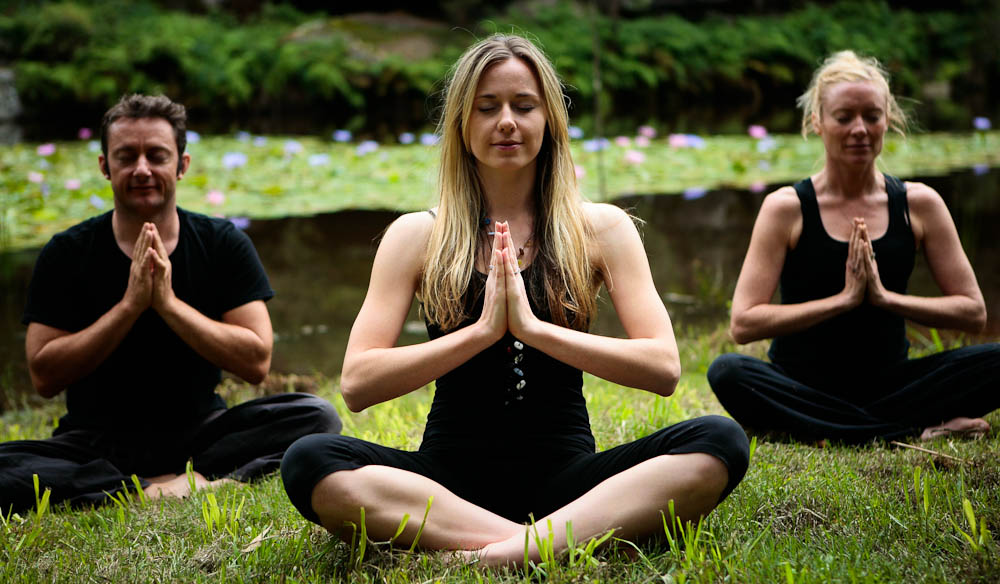
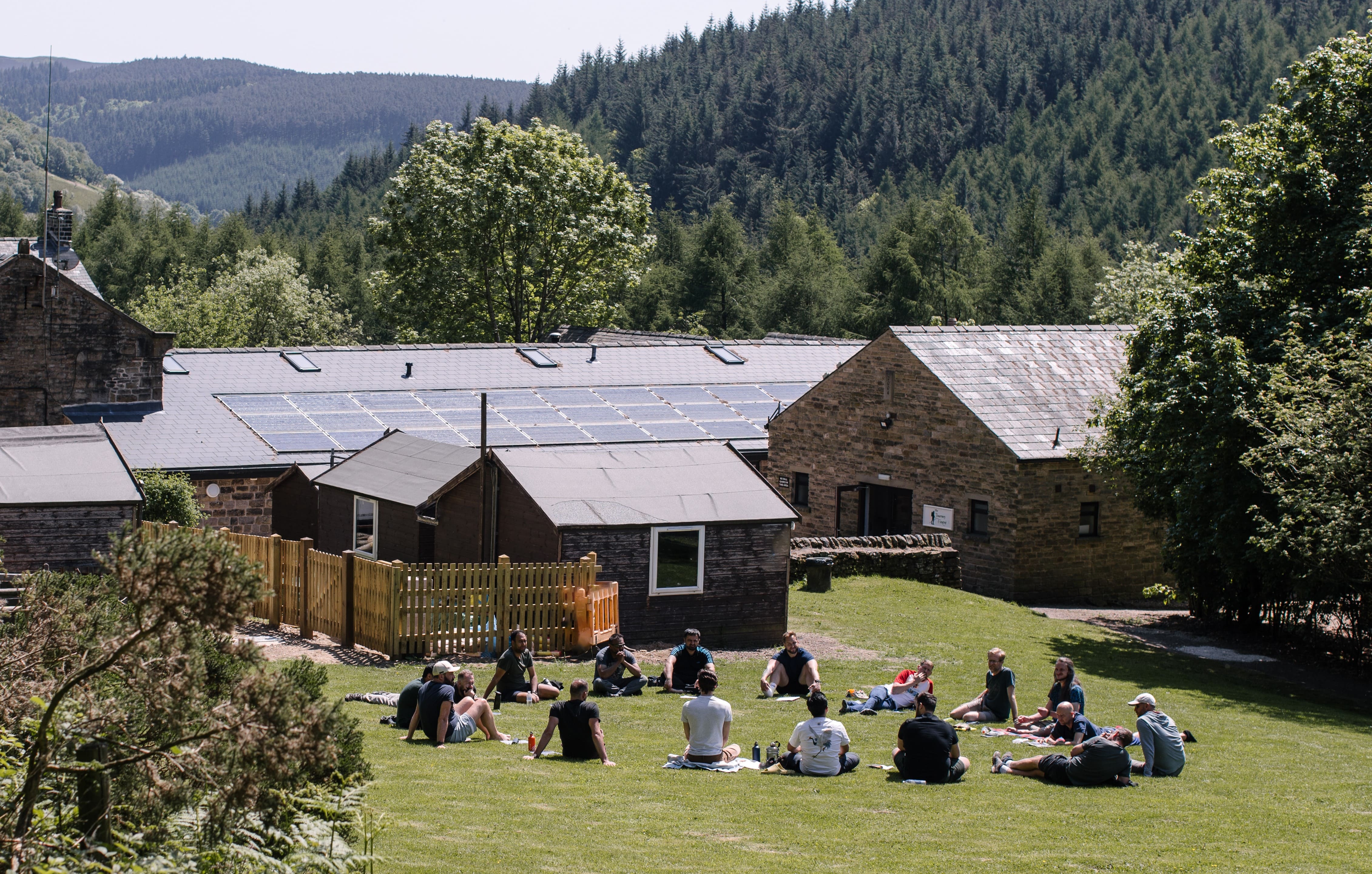
If you’re struggling, taking just 30 minutes out can make a difference. Over the course of my 30+ year career as a retreat reviewer and consultant, I have discovered a range of effective, quick, immersive retreat practices that are ideal if you are short of time. When you have mastered them, they are easy to draw on in your daily life, whenever you need time out, or to add to a longer retreat process when you have the time.
Prepare to micro retreat
Find a quiet, private place where you can sit comfortably. This might be at home, in a quiet corner of your office, a hotel room, gallery, museum, church, library, a trusted friend’s house, or even a park on a still, sunny day. Switch off your devices; this simple act can turn anywhere into a retreat and open the door to quietude. Before you begin, mark the moment with a small ritual. Place a treasured object, flowers, or something from nature nearby. Use an essential oil, or, if you are at home, light a candle.
Pick your practice
Scan your body
Close your eyes and notice your body. Find the place that feels most tense and let your attention rest there. The tension may intensify at first, but with steady focus it will begin to soften. Be patient. After a minute or two, move gently to the next place of tightness — shoulders from computer work, a sore knee, a small cut, an ache in your temples. Follow your aches kindly. When you have finished, keep your eyes closed and let thoughts come and go, settling naturally without trying to control them.
Choose gratitude
When we feel overwhelmed or out of control, it’s easy to dwell on what’s lacking or what has gone wrong. Turning your attention to what you have and what has gone right brings you back to steadier ground. Take a piece of paper and write down five things you are thankful for — people, objects or experiences from today or long ago. Make it as random as you like, from grapes to mojitos to comedy nights. If you struggle, look to nature: a cornflower-blue sky, snowdrops, a giant oak.
Even noticing one small thing can restore hope.
Try butterfly breathing
Simply slowing and deepening your breath can release built-up stress and guide you back to ease, whether in daily chaos or difficult moments. I like this gentle practice — a simple form of mindfulness — and it works beautifully with children and teenagers too. Inhale through your nose and imagine a butterfly, in any colour you choose, at the base of your spine opening its wings. Pause briefly. Exhale through your mouth and see the wings softly close. Let the out-breath be slightly longer. Repeat for ten breaths, or as long as you need.
Write a worry list
In the evening, or if you wake in the middle of the night, write instead of fretting. Gently move whatever is agitating or circling in your mind onto paper, to be dealt with tomorrow. Note things briefly — tasks to handle, conversations to have, decisions to make — so you can set them down for now. This isn’t the time for long explanations; that will only stir you up further. Keep it spare and
practical. It’s a worry list, not an extended account of your thoughts and feelings.
You’ll find ways to retreat for an hour, a day or longer in a space of your choosing in How to Retreat: Step away from your everyday to rest, reset and renew by Caroline Sylge. Or you’ll find reliable, trusted hosted retreats to go deeper
on Caroline’s platform queenofretreats.com.