There’s a kind of loneliness that doesn’t come from being alone, but from never quite feeling met. Not because no one is trying—but because the walls are high, the drawbridge rarely lowers, and even when connection is close at hand, it somehow still feels out of reach.
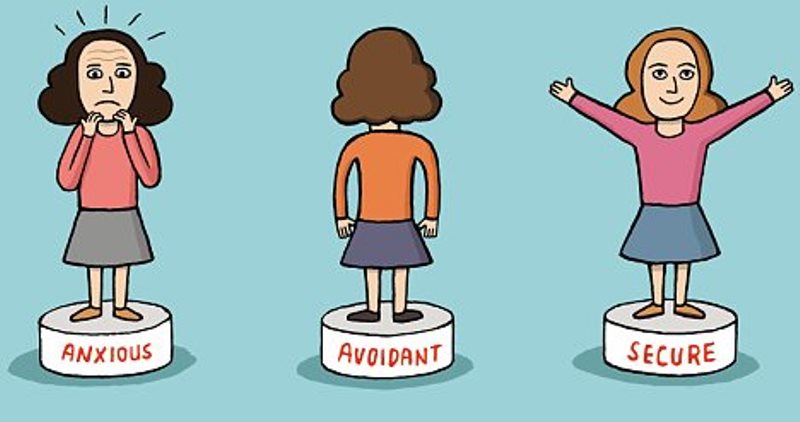
This is often the landscape of avoidant attachment. A subtle, protective dance between longing and distance. You might not recognise it right away. It can look like independence, self-sufficiency, having everything “together.” But underneath it? There’s often a quiet ache. A deep, unspoken question: What would happen if I truly let someone in?
Where does avoidant attachment come from?
Avoidant patterns often form in early environments where closeness was unpredictable, overwhelming, or simply not safe. Perhaps emotions weren’t welcomed. Perhaps you were expected to grow up fast, to manage on your own, to be the strong one. Maybe vulnerability was met with silence—or with something worse. So you learned to rely on yourself. You learned not to need. You learned to keep your softest parts well hidden.
And it worked. Sort of.
Because avoidance isn’t about not caring. It’s about caring so much that it feels safer not to show it. It’s about having learned—often without words—that love and closeness come at a cost. That too much of you will push people away. That needing is dangerous. That intimacy feels like being swallowed whole.
So instead, you become good at space. At boundaries. At control. You might find comfort in solitude, or in roles where you're the helper, the listener, the one who doesn’t ask for much. You might find yourself pulling away when things get too close, or freezing when someone expresses strong emotion. You might long for connection—and feel overwhelmed by it when it arrives. Connection might feel like a burden.
It’s a confusing dance. Wanting love but fearing the cost. Craving closeness but finding it suffocating. Missing someone and still not reaching out.
Avoidant attachment isn’t a flaw. It’s a pattern. A strategy born of wisdom and necessity. And like all strategies, it once served you. The question now is: Does it still?
Working with avoidant attachment in therapy
In therapy, I often meet people who carry this pattern with a quiet sense of guilt or shame. They want to connect more deeply but feel stuck in their own wiring. They want to soften, to reach, to risk—but something clamps shut. And they don’t always know why.
Here’s what I want to say: healing avoidant patterns doesn’t mean becoming someone you’re not. It means learning to feel safe enough to come home to who you are, beneath the defences. It means recognising that the walls you built were once life-saving—but that maybe now, they’re keeping out what you long for most.
This kind of work asks for slowness. Gentleness. No one thrives under pressure or demand—not especially someone who’s learned to associate closeness with overwhelm. We don’t pry open the door. We knock softly. We wait. We offer presence, not pressure.
And in that space, something begins to shift. The body learns that closeness doesn’t have to mean collapse. That you can stay connected to yourself and let someone in. That needing another doesn’t mean you’re weak or broken. That you can begin to name your limits, your fears, your wants—not to push others away, but to create the conditions where real intimacy can grow.
Because the truth is, avoidant patterns aren’t the absence of desire. They’re the fear of it. Underneath the distance, there’s often a deep longing—to be known, to be held, to be chosen without having to perform or disappear.
So we practise. Bit by bit. Letting someone see a little more of us. Speaking instead of withdrawing. Staying present when our instincts urge us to shut down. Letting love in, even when it feels unfamiliar.
This isn’t about becoming hyper-attached, or throwing yourself into relationships without caution. It’s about expanding your window of tolerance for connection. Learning what it means to be close and free. Connected and grounded. It’s about becoming the one who doesn’t abandon yourself—especially in moments of intimacy.
You may never be the person who wants constant closeness or intense emotional exchanges—and that’s okay. We all have different needs. What matters is that those needs aren’t being shaped by fear. That your boundaries are chosen, not automatic. That you can differentiate between what feels good and what feels safe (because they’re not always the same).
And maybe most of all, that you know you’re not alone in this. Avoidant attachment can feel isolating—but you’re not broken. You’re human. And your capacity for love, connection, and trust isn’t gone. It’s just been tucked away. Waiting for a safer time.
With the right support, that time can come.