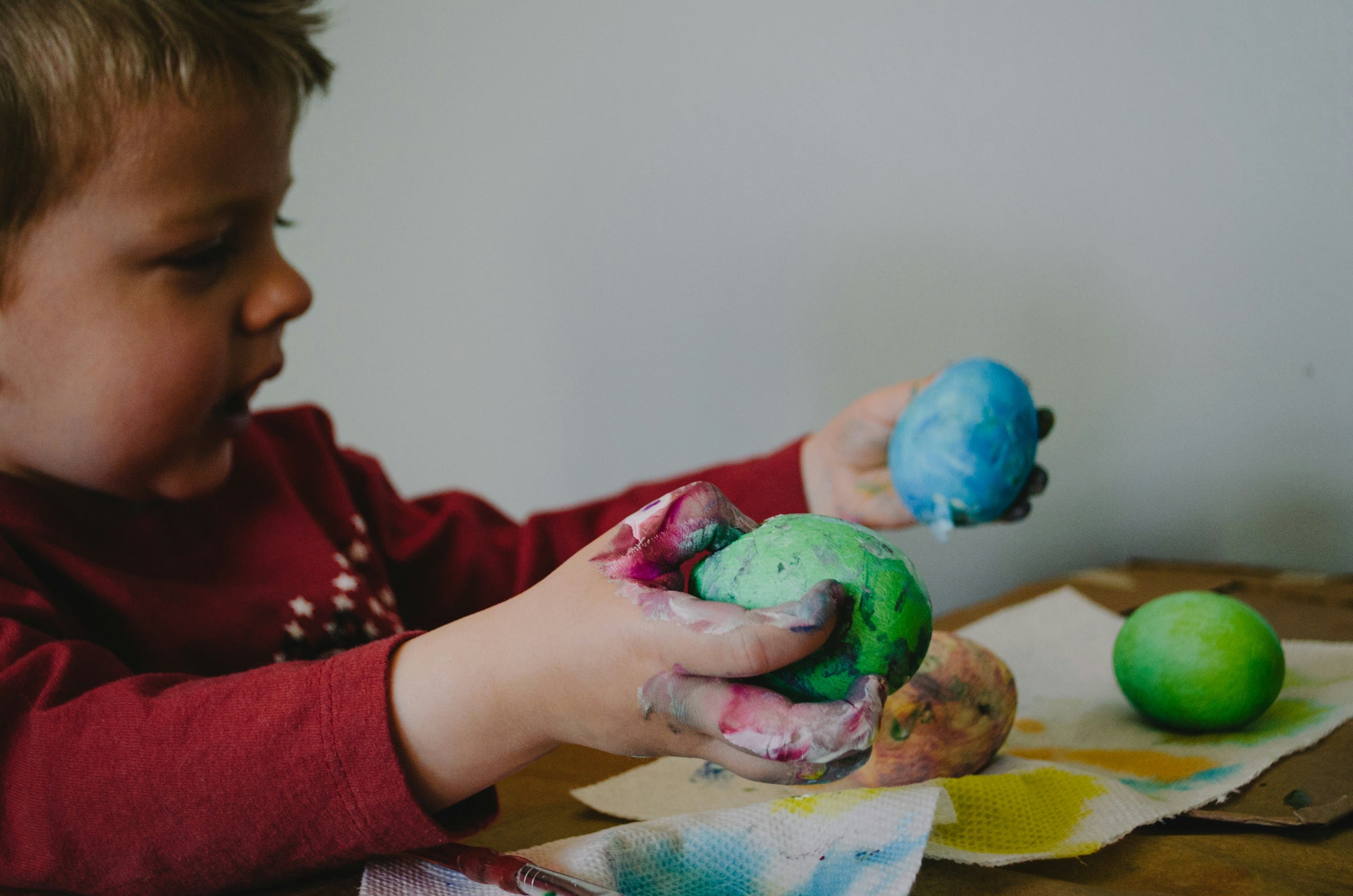
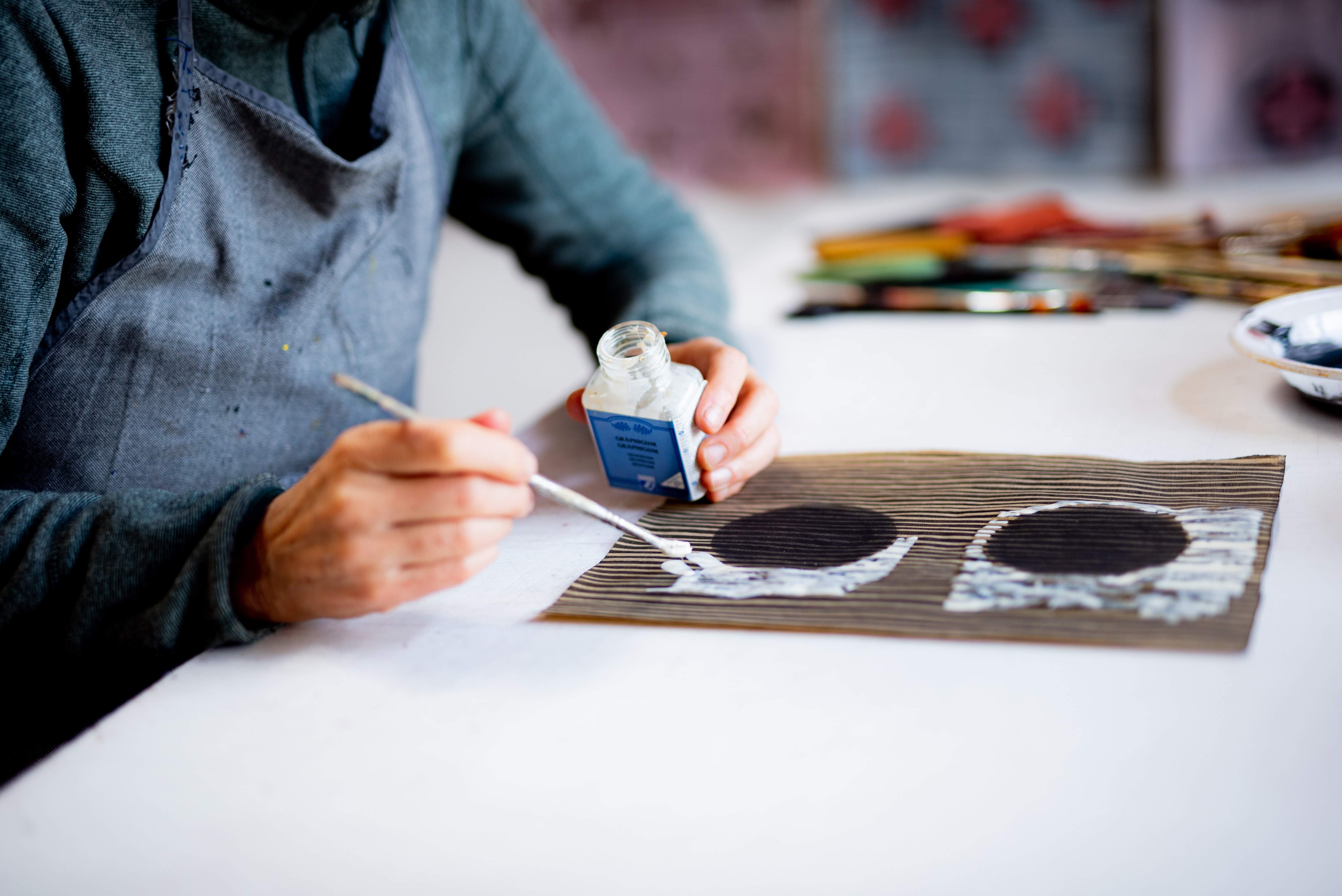
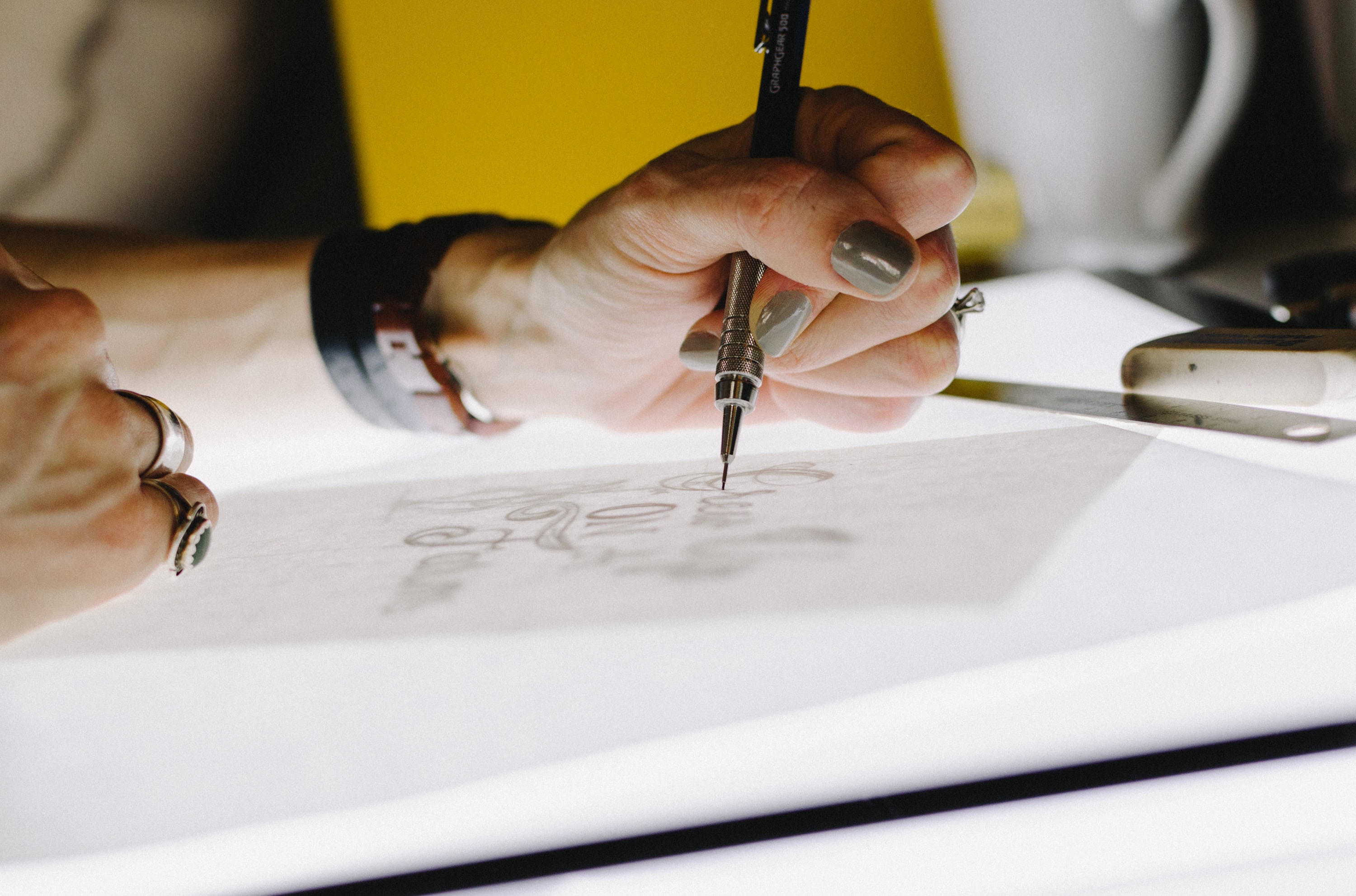
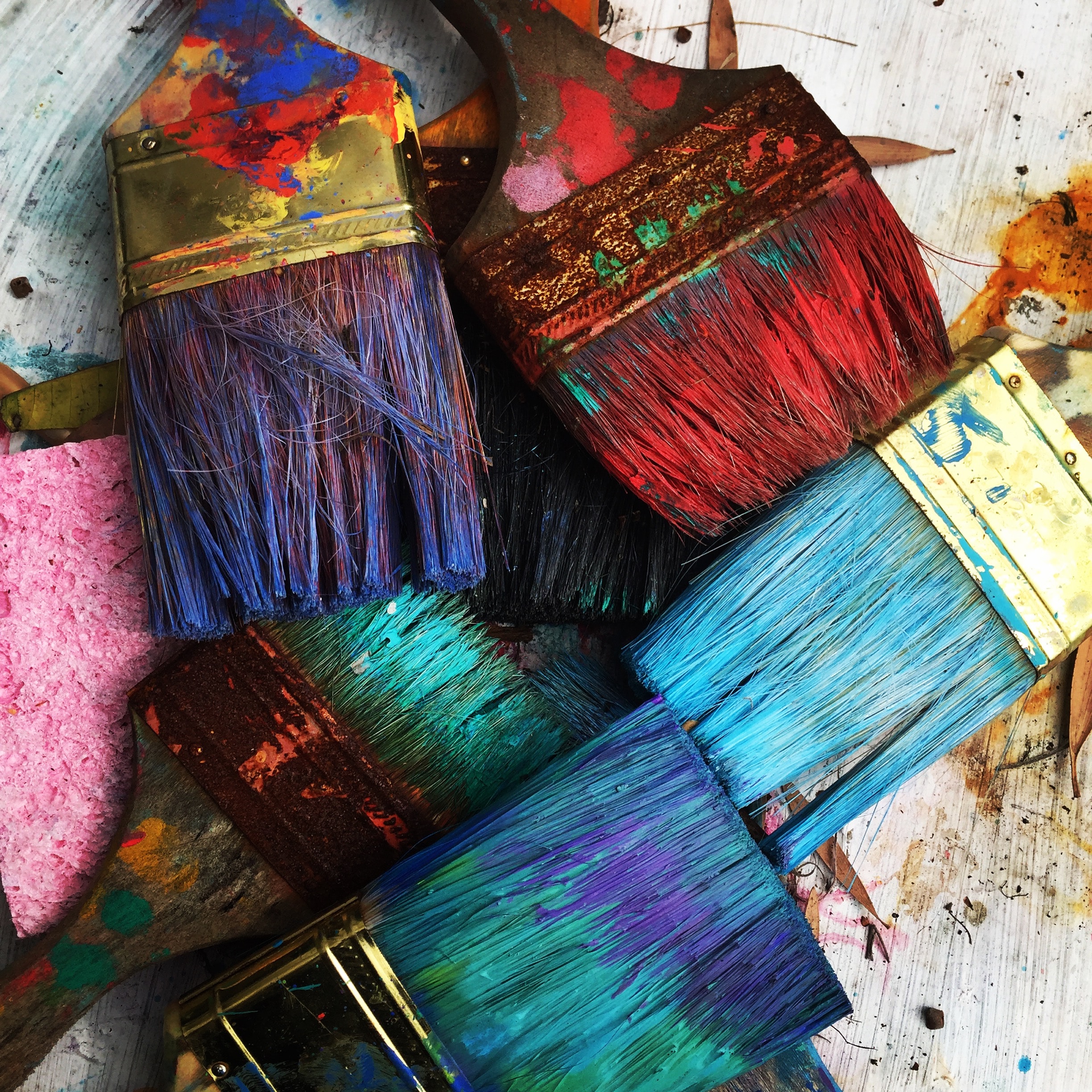
When we think of creativity, we usually think that it is an activity reserved for artists or that requires talent, training or special materials. However, from an art therapy point of view, creativity is something that is fundamental to the human experience: it encompasses our capacity to solve problems, for expression, regulation, meaning making and most importantly, to connect with others.
Before we begin, let me clarify something for you. What is art therapy? It’s a profession practiced by trained and credentialed mental health professionals, that usually work under a therapeutic relationship. However, even though I am an art therapist this article does not offer you art therapy, but rather provides you with tools and practices informed by art therapy principles. They’re meant to give you artistic ways to care for your own emotional well-being.
My hope is you start seeing creativity as a resource for your own wellbeing! A way to listen to yourself, to slow down, to process your own experiences, and to stay connected with your inner self.
Below are ten simple, practical ways to integrate creativity into your everyday life. And remember: no artistic skill necessary!
1. Create without an outcome in mind
One of the most healing shifts is letting go of “making something good.” Take a pen, brush, or pencil and scribble around the page without a plan. Then color or use lines to highlight all the intersecting spaces. The goal is not beauty or meaning, just presence. In art therapy, we call this process over product, and it’s a great exercise to reduce pressure or perfectionism.
2. Use creativity as a check-in
For a week, find a time in your day to ask, “What color, shape, or texture matches how I feel right now?” You might draw it, name it, or imagine it. This bypasses language limitations and allows emotions to come forward safely, especially when words feel limited. What patterns do you notice as days go by? Could this help inform you how you are truly doing?
3. Build creative rituals, not big projects
Creativity thrives in small, consistent moments. Color a coloring page for three minutes a day. Choose a song and draw to its rhythm before bed. Short, repeatable rituals are often more regulating than long, sporadic sessions.
4. Let your body lead
Creativity doesn’t only live in the mind. Stretch and squeeze some dough. Create repetitive patterns on paper. Movement-based creativity supports your nervous system and helps release stored tension.
5. Create in response to your environment
Go on a 10 minute mindful walk and collect leaves, rocks, sticks, or notice textures that catch your attention. Arrange them to create a sculpture, photograph them, or place them in a journal. This practice can help you slow down and ground yourself.
6. Use creative limits to feel safer
Contrary to what you could believe, boundaries support creativity. Choose one color only to draw something, one specific size of paper, or a fixed number of minutes. In art therapy settings, limits can help prevent overwhelm. In daily life, they can make creativity feel doable rather than intimidating.
7. Journal beyond words
If you like journaling, try visual journaling! Use symbols, lines, collage, or color fields to show your thoughts and feelings. They say an image says more than a thousand words for a reason. Bonus: you can mix art and writing as well for a deeper experience.
8. Respond to emotions creatively, not reactively
When big emotions like frustration, sadness or fear rise, pause and express them creatively before responding outwardly. Tear paper, scribble hard, draw how they feel, or choose an image online that matches the feeling and write about it. This can help with emotional regulation and is a way to release that energy safely.
9. Consume more art
Take yourself to an art museum. Take that art appreciation class you have been curious about. Take pictures of art you find while walking in public spaces. And then take a moment to reflect on the pieces that caught your eye. How did they make you feel? Did you notice someone else’s art resonating with you? Can you feel maybe less alone in your human experience?
10. Let creativity be preventive care
Art can help you become stronger. Try coloring outside the lines to stretch your own boundaries; represent two contradicting emotions on one page and grow your emotional flexibility. Turn something broken into something new and watch your resilience grow. From a public mental health lens, creativity is a preventive mental health practice, much like movement, rest, or mindfulness.
Creativity is healing
By integrating small, intentional creative moments into daily life, you can strengthen your capacity to be present, adapt, and respond. You can become more resilient and able to act before things become overwhelming.
Creative practices can be deeply meaningful, and you might want to consider integrating them as part of our own mental hygiene. However, they are not a substitute for mental health support. If you feel you need more help, please do not feel afraid to seek it.
And if you feel like you want to learn more about how to use art to help yourself heal and grow, check out my new book Art Therapy for Every Day, where you will find 365 art exercises to help you create, heal and grow.