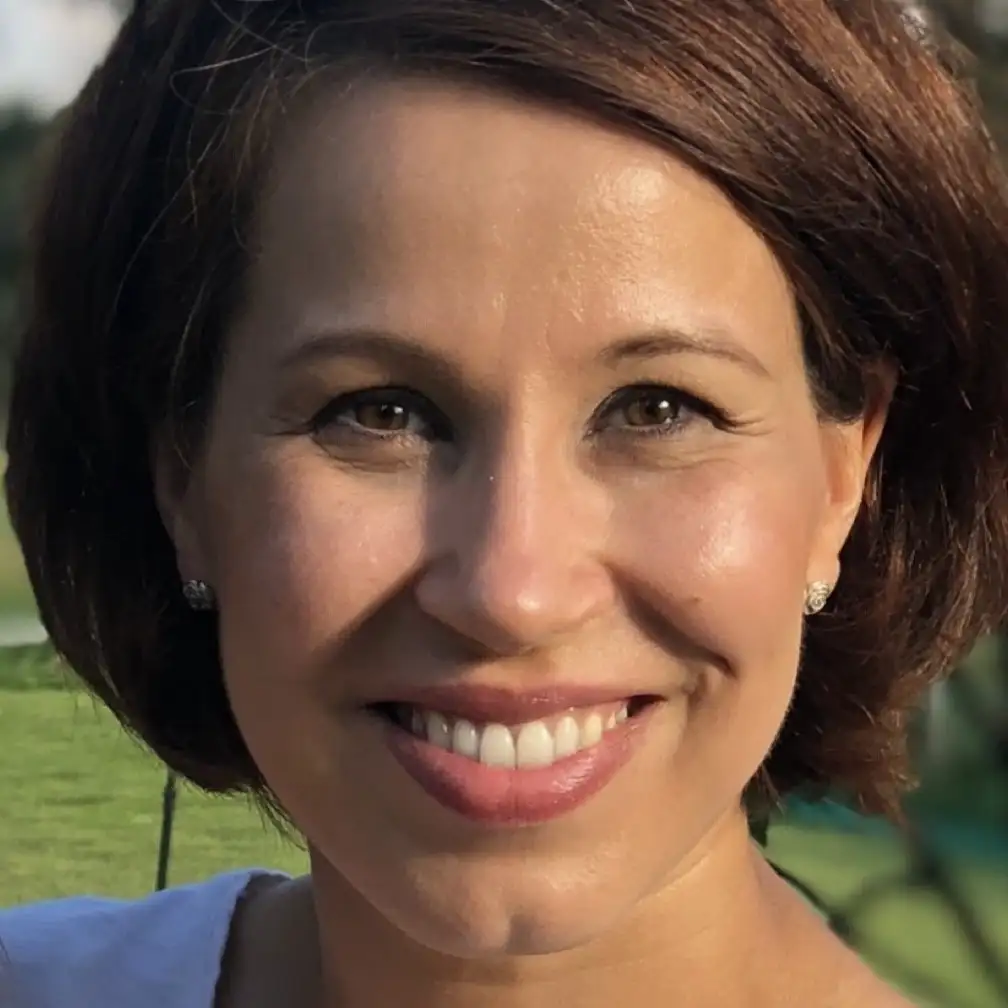

About me
I am an accredited EMDR therapist (UK and Europe) and a certified Sensorimotor Psychotherapist, using body‑ and somatically oriented approaches in my practice. I have integrated EMDR into my therapeutic work since 2013 and have practised Sensorimotor Psychotherapy since 2021. I specialise in trauma, particularly complex developmental and relational trauma, and in associated mental health difficulties. EMDR and Sensorimotor Psychotherapy are especially well suited to addressing trauma‑related emotional dysregulation, dissociation and chronic pain. EMDR therapy is an evidence-based approach that can be used with children, young people and adults experiencing a wide range of mental health and emotional difficulties. Unlike many traditional talking and behavioural therapies, EMDR does not always require you to talk in details about every aspect of a difficult experience. Instead, it uses eye movements or other forms of bilateral stimulation to help the brain process distressing experiences, memories or feeling states (parts) that may feel 'stuck' and continue to affect how you feel, think or respond in the present. Many people choose EMDR alongside other therapies as a different, more experimental way of working with emotional difficulties. It can be helpful for difficulties such as trauma related intrusions, flashbacks, anxiety, OCD, addictions, prolonged grief and depression. For clients living with chronic or persistent pain, particularly where a doctor or specialist has suggested that psychosomatic factors may be involved, I offer an integrative approach combining Mark Grant’s EMDR protocol for chronic pain with Sensorimotor Psychotherapy. Grant’s protocol is grounded in the understanding that persistent pain can become “wired” alongside strong emotional states from the time it began or intensified - fear, helplessness, anger, or grief that never fully processed can keep the nervous system in a heightened state, amplifying and maintaining the pain signal long after any original reason for the pain has healed. Using EMDR’s bilateral stimulation, we work to process these underlying emotional and memory networks, which can reduce the intensity and grip of the pain itself. Alongside this, Sensorimotor Psychotherapy (suitable for both adults and children) brings a body-based lens to the work, helping clients track sensation, tension, and protective patterns as they arise moment to moment. Together, we explore what may be keeping pain alive in the body’s implicit memory even once the original cause has resolved: bracing patterns, unfinished defensive responses, or associations between certain movements, situations, or emotions and the pain experience. This combined approach supports the nervous system in learning that safety is possible again.
24 years
of experience
Speaks
English, Finnish
Type of sessions available
In person
Online
Areas of expertise
Sexual abuse
Trauma
Panic attacks
Adoption/fostering
Parenting
Self-harm
Emotional abuse
Childhood difficulties
Attachment disorder
Complex PTSD
Dissociation
Chronic pain
Fees
Average session fee:
£90.00
Fee structure
per therapeutic hour/50-60 minutes
My working schedule
M
T
W
T
F
S
S
✔
✔
✔
✔
✔
✔
✔
✔
✔
✔
✔
✔
✔
✔
✔
✔
✔
✔
✔
✔
✔
✔
✔
Therapy offered
Integrative
Body psychotherapy
EMDR
Solution-focused therapy
EFT
Trauma-informed
Client groups

Adults

Families

Adolescents

Children
Training and qualifications
Accredited EMDR Practitioner (UK and Europe) Certified Sensorimotor Psychotherapist (SP) Dyadic Developmental Psychotherapy (DDP) (Level 2 -working towards certification) 'Foundations for Attachment' Fostering/Adoption parent trainer The Story Stem Assessment Profile (SSAP) practitioner Emotional Freedom Technique (EFT) (level 2) Solution Focused Brief Therapist Trauma Risk Management (TRiM) Practitioner ‘Non-violent Resistance’ NVR Level 1 Intimate Partner/ Domestic Violence 'Freedom Programme' trained practitioner Social Work, and I remain a registered social worker, having obtained my BA in Finland in 1999 and my MA in Social Work at UEA, UK in 2002. Additionally, I am a qualified Practice Educator and supervisor Additional EMDR training in: Attachment-Informed EMDR (AI-EMDR) and Attachment-Focused EMDR (AF-EMDR) EMDR Recent Traumatic Episode Protocol (R-TEP) and Group Traumatic Episode Protocol (G-TEP) Blind to Therapist (B2T) Protocol (trauma processing without disclosure of the event information) FLASH Technique EMDR and Chronic Pain EMDR and Complex Grief
Verified professional membership