One of the impressions given by the first 100 or so days of the Trump 2.0 presidency is that the generally accepted laws of US society do not always have to apply to those in possession of billions of dollars.
It is in this milieu of the make-your-own-rules super wealthy that the new Netflix series Sirens, starring Meghann Fahy, Milly Alcock, Julianne Moore and Kevin Bacon, is played out.
Following hard on the kitten heels of White Lotus and The Perfect Couple, Sirens is set on a private island using the heavy symbolism of a world cut off from reality. Or perhaps depicting one of the circles of hell reached only by boat?
Sirens opens in the real world and we meet foul-mouthed Devon de Witt (Fahy) fresh off a night in jail for her second DUI (Drunk Under the Influence) offence and in a fury. She’s enraged by her sister, Simone (Alcock), sending her an ‘edible arrangement’ (fruit basket) in response to her cry for help. She is clearly at her wits end and is desperate for Simone’s help in caring for their father whose decline into dementia has recently accelerated. Devon goes in search of Simone to tell her where to shove her strawberries and to bring her home to help shoulder the responsibility for their father’s wellbeing.
What Devon finds is a totally reinvented Simone who has fallen under the spell of controlling socialite, Michaela Kell (Moore). Simone has expunged all mention of her awkward and distressing ‘wrong side of the tracks’ upbringing when applying for a job as Michaela’s assistant. So Devon’s arrival, dressed all in black, throws a shadow across what is, on the surface, a pastel-coloured, sugary world of conscious-easing philanthropy, and gargantuan excess. We start to see reality bite into fantasy.
Sirens, written by Molly Smith Metzler, works cleverly on more than one level, just like its title. For sirens – the sound of the emergency services which were never far from Devon and Simone’s childhood experience – is their private code word for ‘help needed’. It also references the hybrid half-bird half-women sirens of Greek mythology epitomised by Michaela Kell who has lured Simone into being her amanuensis, mini-me and ‘sister’ and who also airily believes she can talk to the raptors she keeps caged in a sanctuary on the island.
The series is a glossy, well-acted drama that twists and turns. Despite the humour a sense of tragedy gently presses in on almost every scene. All the key characters seem hellbent on avoiding unpleasant realities, and, at first, the wealthiest seem most likely to get away with it.
Sirens has many strong themes in play. What it means to be a sister – in the familial and feminist sense – is well-tackled, as is the effectively explored issue of how childhood trauma, if left unprocessed, can manifest itself in painful ways. For Devon it’s self-harming levels of alcoholism and meaningless sex; for Simone it’s all about denial and self-isolation.
In order for Simone to try to fit into her adopted lifestyle of charity galas and free-flowing champagne and to protect herself from negative feelings such as shame and anxiety, she inhabits a ‘false self’ and acts this out by expunging all reference to abuse from her life story, disowning (through omission) her sister, prettifying her mother’s suicide into a more socially acceptable tragic death, and a disliked nose is cosmetically altered, her downmarket childhood tattoos removed. Devon’s arrival on the island threatens Simone’s protective false self and historic cracks begin to re-open.
The grim reality of the sisters’ upbringing is woven seamlessly into the drama as is the dementia of their father, Bruce, poignantly depicted by actor Bill Camp. In scenes of pathos and humour Bruce’s realisation of being ‘in hell’ in his moments of clarity are as saddening to watch as his own, unlooked for, departures from reality as the dementia tightens its grip.
In Sirens the majority of the main characters’ actions are completely at odds with Socrates’ dictum ‘the unexamined life is not worth living’. Most appear content to use myriad defences (alcohol, drugs, sex, sycophants) against emotional reality in the hope that if they ignore the darker feelings we all experience and leave them unexposed to the light of self-awareness there’s a stronger chance of that elusive fairytale ending.
What a Psychotherapist Thinks of Netflix's Sirens
Jun 2, 2025

Camilla Nicholls
Jun 2, 2025
- Psychotherapist Camilla Nicholls reviews Netflix series Sirens, following a controlling socialite (Julianne Moore) and an assistant trying to hide her past
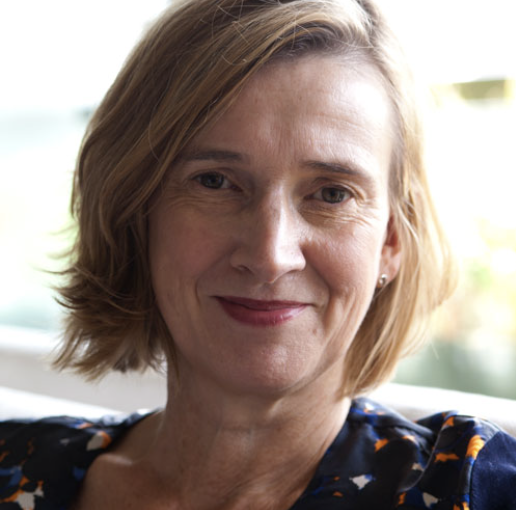
Camilla Nicholls
Camilla Nicholls is a Welldoing online psychotherapist
Read further
What a Psychotherapist Thinks of BBC's Change Your Mind, Change Your Life
by Camilla Nicholls

What a Psychotherapist Thinks of Disney+ Dying For Sex
by Camilla Nicholls

What a Psychotherapist Thinks of Netflix's Adolescence
by Camilla Nicholls