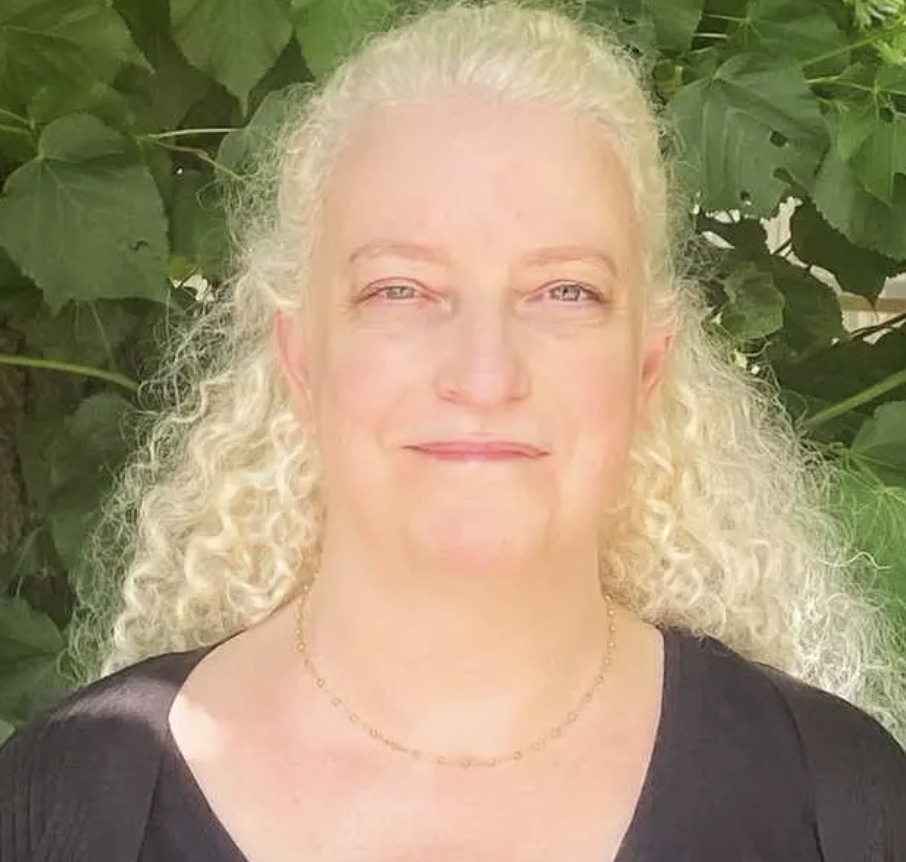
Limor Tevet is a therapist in South East London
What attracted you to become a therapist?
I knew I wanted to become a therapist when I was nine years old! I was sent to see the school counsellor because I was suffering from anxiety. After a few sessions, the counsellor told me that my anxiety was related to my mother. I remember thinking how amazing it is that we can be so deeply influenced by our parents. This made me feel much better because I realised it wasn’t my fault — it wasn’t “my” anxiety. At that moment, I decided I wanted to become a therapist, so I could help others in the way I had been helped.
Where did you train?
I did my BA in Psychology at Tel Aviv Academic College in Israel, and my MA in Counselling at the Israel branch of Northeastern University (USA).
Can you tell us about the type of therapy you practise?
I’m an integrative counsellor. I draw from different approaches — person-centred, psychodynamic, and cognitive behavioural therapy (CBT) — depending on what suits the client best. Some clients prefer a more practical, solution-focused approach, while others want to explore the deeper roots of their patterns and work on gradual change.I chose to become an integrative therapist because I wanted to remain flexible and responsive to each client’s individual needs.
How does person-centred therapy help with symptoms of anxiety and low confidence?
In person-centred therapy, the therapist listens actively and reflects back feelings or key points to help the client gain insight. These insights help clients become more self-aware and understand the origins of their thoughts, feelings, and patterns. This process supports personal growth and improves self-esteem.
What sort of people do you usually see?
I see individuals — adults and children aged 12 and up — as well as couples. Individuals I work with often struggle with anxiety, low mood, stress, and relationship difficulties. Couples come with a wide range of issues, from intimacy concerns to ongoing disagreements.
Have you noticed any recent mental health trends or wider changes in attitude?
Since Covid, I’ve noticed a real shift, particularly among young people. Many seem to struggle more with social interactions and experience greater feelings of loneliness and anxiety.
What do you like about being a therapist?
Firstly, I feel genuinely happy when I play a part in a positive change in someone’s emotional wellbeing. When I help someone feel better about themselves and reduce their suffering, it’s incredibly fulfilling. I’m also constantly in awe of my clients’ courage to open up, be honest, and work on themselves. I find people’s stories endlessly fascinating — I never tired of listening to them.
What is less pleasant?
When clients go through deep suffering, I feel it too. Sometimes I continue to think about them after the session, and it can affect my own feelings.
How long have you been with Welldoing and what do you think of us?
I’ve been with Welldoing for over a year. I enjoy taking part in the weekly CPD sessions — they help broaden my knowledge and offer new perspectives I can bring into my work.
What books have been important to you in terms of your professional and personal development? Do you ever recommend books to clients?
Some books have made a big impact on me, and I occasionally recommend them to clients. These include:
- The Drama of the Gifted Child by Alice Miller
- The Power of Now by Eckhart Tolle
- Man’s Search for Meaning by Viktor Frankl
- Daring to Take Up Space by Daniell Koepke
I’ve recently started reading Self-Obsession by Dr Tom Davies, which I’m really enjoying. These days, I mostly listen to podcasts, but these books have stayed with me.
What do you do for your own mental health?
I meditate once a day and try to go for a walk in the park every day — I find nature very calming. I also love music, so listening to it and going to concerts makes me feel happy. Spending time with others and socialising also supports my mental health.
You are a therapist in Forest Hill (South East London). What can you share with us about seeing clients in this area?
Most of my clients are actually online, so they’re based all over England. I also work with clients in Spain, New York, and Israel. I do see some clients in person too. I wouldn’t say there’s a particular pattern to who comes — Forest Hill is a diverse area, and I appreciate the variety of people I meet.
What’s your consultation room like?
It has a calm atmosphere, with a sofa for the client, a wooden floor, some plants, and pictures on the wall. There’s also a large window, so the room is bright and airy. I sit in a chair at a small table opposite the client.
What do you wish people knew about therapy?
I wish more people knew that almost everyone can benefit from therapy. Even now, there’s still stigma attached to it. Many think therapy is about “fixing” something that’s wrong — but that’s not how I see it. It’s about making changes in how we see and think about ourselves and others, so we can feel better. Everyone has room for growth. At its heart, therapy is about becoming more self-aware, moving through fears, and growing in self-love and connection to the world around us.
What did you learn about yourself in therapy?
I’ve learned a lot. I’ve become much more aware of the reasons behind how I used to act and feel in certain situations and relationships. I’ve been able to let go of many fears and feel much more confident and happy in myself.