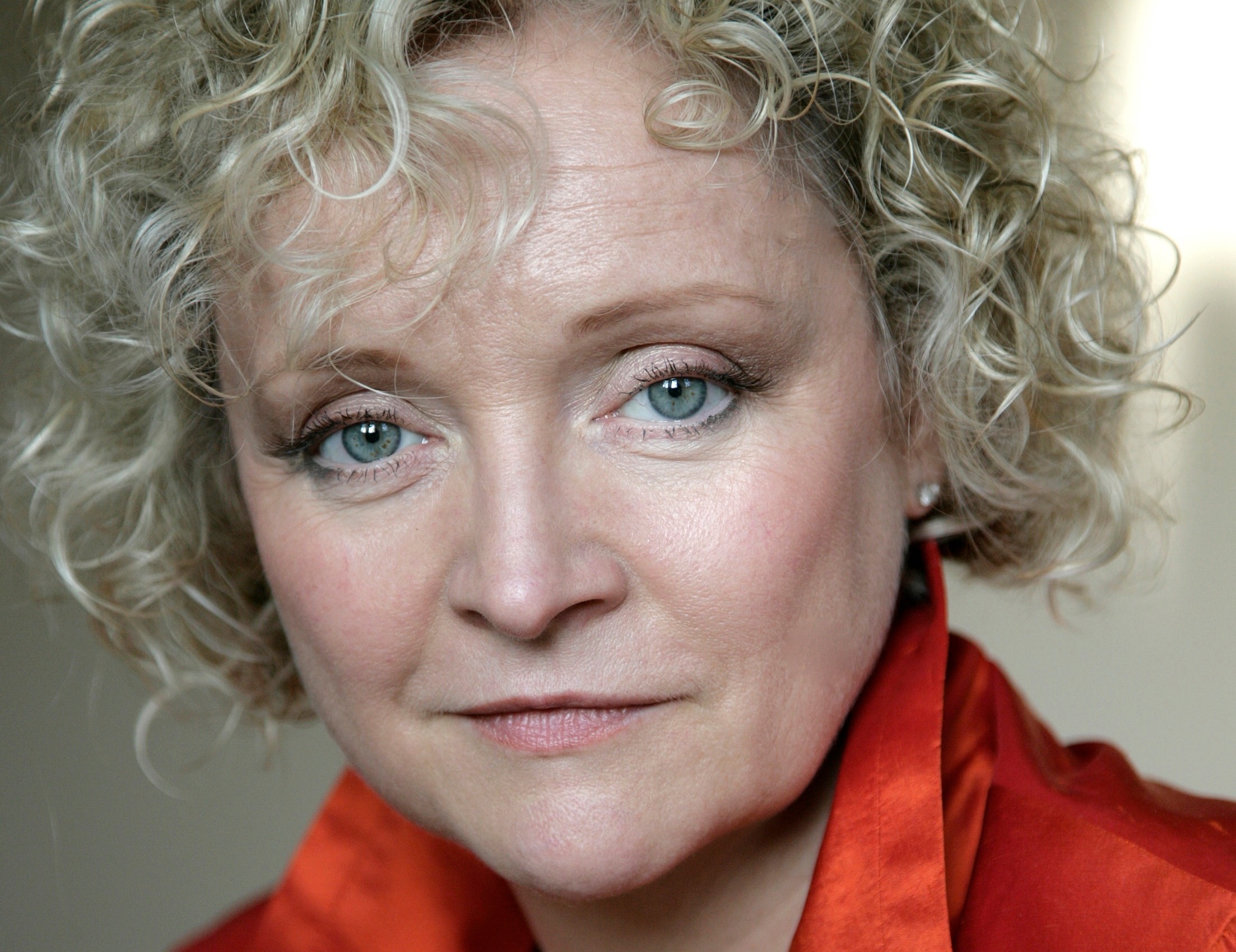
Constance Novis is an online psychotherapist in South West London
What attracted you to become a therapist?
Training to be a psychotherapist was a decision I took after having had two successful careers in other fields. It was something I’d always wanted to do so, armed with a great deal of life experience, I decided the time was right. I have been in therapy myself and I know what good therapy feels like and what it can achieve.
Where did you train?
I did an MA in Psychotherapy the School of Psychology at the University of Roehampton, in London.
Can you tell us about the type of therapy you practise?
My approach is humanistic and person-centred. Being humanistic means I believe in helping people unblock what is holding them back from finding their true potential. Being person-centred means I will take my lead from the client and work on what they want to bring to therapy that day. I have found that the answers already lie within the client; we just need to find the right questions. And I am struck time and again by how freeing and enlightening it can be to look at things in a new light and to question our assumptions.
Officially, my title is a Dance Movement Psychotherapist, but this doesn’t mean you have to dance! (Dance comes into this approach largely in group therapy.) In one-to-one therapy, here’s where movement and the body come in. The body is where we live in the world, and we experience it through our senses. So, I use an embodied approach, meaning that as well as talking things through, we pay attention to what your natural body movements are telling us.
We experience the world through our senses and engage with it through our body movements, so our bodies hold a different form of knowledge to our brains. We become aware of when we get a gut feeling or a felt sense of what feels safe or comfortable and what does not. Sometimes we don’t even have the words to describe what our body is already picking up on.
The way we hold our body, what sensations we may be feeling inside, or how we are moving are all signposts to what we are carrying on an unconscious level. Listening to our gut feelings and paying attention to what our instincts are telling us brings insights and new levels of self-awareness.
How does an embodied humanistic, person-centred approach help with symptoms of trauma?
We carry trauma, of whatever kind, in our bodies. That is where it lands until we can bring it to a conscious level and process the effects. Long after you have experienced trauma your body will continue to react, or trigger, to any kind of reminder before your brain can even work out what’s going on.
This response is a highly effective and instinctive way we keep ourselves safe, but these triggers can get stuck in the body and will remain there until we can understand why they are there and how they are trying to help us. This does not mean retraumatising anyone by making them relive the original trauma again and again. We are dealing with the legacy the trauma has left behind. Understanding how it is impacting on your life in the present, we can help make the triggers feel more manageable.
What sort of people do you usually see?
I see adolescents and adults considered neurotypical and those with some level of neurodiversity (diagnosed or suspected) and including people who have had a late-life diagnosis.
I also see people who have suffered either a one-off traumatic event or have been repeatedly hurt or harmed by others.
I also see people with high levels of anxiety that stops them from doing what they want to do, and those who need help dealing with painful emotions such as guilt, shame and grief, to name a few.
Have you noticed any recent mental health trends or wider changes in attitude?
At a certain level there is a growing conversation around the importance of looking after our mental health and the stigma attached to talking about difficult feelings and emotions is receding. However, at ground level, anyone who does not fit in exactly with society can still suffer abuse. To give just one example, I think of neurodiverse people who must withstand remarks such as, ‘You don’t look autistic!’ or ‘Well, we’re all a little autistic! What’s your problem? Think you’re special?’ This kind of public shaming when you are already trying so hard to fit and in and make sense of the world and other people can be highly traumatising.
Dealing with the physical effects of anxiety is another rising concern with the increasingly unsettling events in the world right now. I am also seeing more clients working through the effects of having been in a controlling or coercive relationship, or who have suffered narcissistic gaslighting and abuse from a partner, a parent, or at work.
What do you like about being a therapist?
I am continually inspired by the power of human resilience, and I can see the determination it takes to move on from old ways of being. It takes courage to open up about deeply private or very painful issues, and helping people feel safe enough to discuss things they never felt able to share with anyone else matter to me a lot. I find it very rewarding when someone shifts from feelings of helplessness and moves towards a sense of empowerment.
What is less pleasant?
Coming face to face with reminders of the sheer arbitrary unfairness of the world is not pleasant. As well as being capable of incredible acts of selflessness and compassion, I am often reminded of the human capacity for unthinkable cruelty, leaving people turning to psychotherapy to help heal the wounds that have been inflicted on them.
How long have you been with Welldoing and what you think of us?
I have been with Welldoing for about four months, though I have been visiting the site for a while now and have enjoyed the articles. I appreciate the opportunities for attending online CPD sessions. Being in private practice can be very solitary so I am always curious to hear from other therapists.
I also appreciate the support, technical, marketing or otherwise, I receive from Welldoing now that I have registered with them.
What books have been important to you in terms of your professional and personal development? Do you ever recommend books to clients?
Barnett, Laura, (2023) The Heart of Therapy: Developing Compassion, Understanding and Boundaries Routledge, London
Jung, C. G. (1963) Memories, Dreams, Reflections Collins and Routledge & Kegan Paul, London
Maté, Gabor (2019) Scattered Minds, The Origins and Healing of Attention Deficit Disorder Vermilion, London
Maté, Gabor (2019) When the Body Says No: The Cost of Hidden Stress Vermilion, Great Britain
Sieff, Daniela F. (2015) Understanding and Healing Emotional Trauma: Conversations with pioneering clinicians and researchers Routledge, London
What you do for your own mental health?
I get outside under the open skies. Whether it is walking along the Thames and watching the movement of the water or getting deep into the woods of rural Kent, being with nature brings my shoulders down and helps me breathe deep.
My practice is anchored by an experienced supervisor and my own psychotherapist. I also love dancing and moving my body to music, alone or with others, to work through my thoughts and release pent-up energy.
I am an online psychotherapist based in South West London, but I am insured to see clients online anywhere in the world.
What can you share with us about seeing clients in this area?
The clients I see are so widespread geographically that I cannot make any generalised statements. Everyone is unique and has their own story, history and approach to life.
Common or universal questions people bring to therapy tend to be: How can I find a way to live my authentic life as the person I know I really am? Why do I always put myself last? Where are my boundaries? How can I understand why I react to things the way I do? Why am I stuck in old patterns? Why does one part of me want to move forward but something holds me back? And why am I so hard on myself?
What’s your consultation room like?
Peaceful, spacious and private.
What do you wish people knew about therapy?
That it is a safe place to work things through, maybe say the things you’ve only ever thought but were never able to put into words. It is said that the healing happens in the relationship and finding a therapist who really gets you and tunes into you, can be life-changing.
What did you learn about yourself in therapy?
I have learnt a lot and I am still in the process of learning. Currently I am finding out how to hold myself with more compassion rather than always giving way to the inner critic. It is good to be reminded, “I’m only human, after all.”