For the past few years, I have been exploring different artistic forms such as writing and photography to find a language for things that once felt impossible to express. Since 2023, I have been searching for a visual way to communicate the emotional landscape of post-traumatic stress disorder, or PTSD, a condition that affects millions around the world.
PTSD is a complex mental health issue that can arise after experiencing or witnessing a traumatic event. It does not follow a single pattern, and its symptoms can appear in many forms. Some people experience flashbacks, nightmares, or panic attacks. Others may feel emotionally numb, disconnected from loved ones, or unable to trust their own bodies. The condition often hides in plain sight, shaping how we move through the world without always being visible to others. What makes PTSD so difficult to grasp is not only the variety of symptoms but also their emotional weight, their unpredictability, and the silence that often surrounds them.

One experience I kept returning to in my own healing was the feeling of alienation. This sense of being disconnected from oneself and the world is more than just loneliness. It is as if something inside has shut down in order to survive. Emotions become distant. Relationships feel strained. The body becomes a shell. Alienation is not a choice but a form of protection, a quiet strategy for getting through what feels unbearable.
As a female photographer and writer, I am drawn to the themes of humanity, mental health, and the environment. These subjects reflect both our shared pain and our shared hope. Growing up in the north of Germany, I often saw the sky covered in endless layers of grey. In that stillness, I learned to notice the quiet beauty of small moments. Light has always been a symbol of hope for me, a soft reminder that something gentle and true can still exist, even when everything feels heavy.
Nature plays an essential role in my work. I am especially drawn to water, which I find deeply healing. It connects all of us, reminding us of where we come from and what we share. In my photography, I often return to water and light, capturing their interaction as a way to evoke calm, clarity, and reflection.

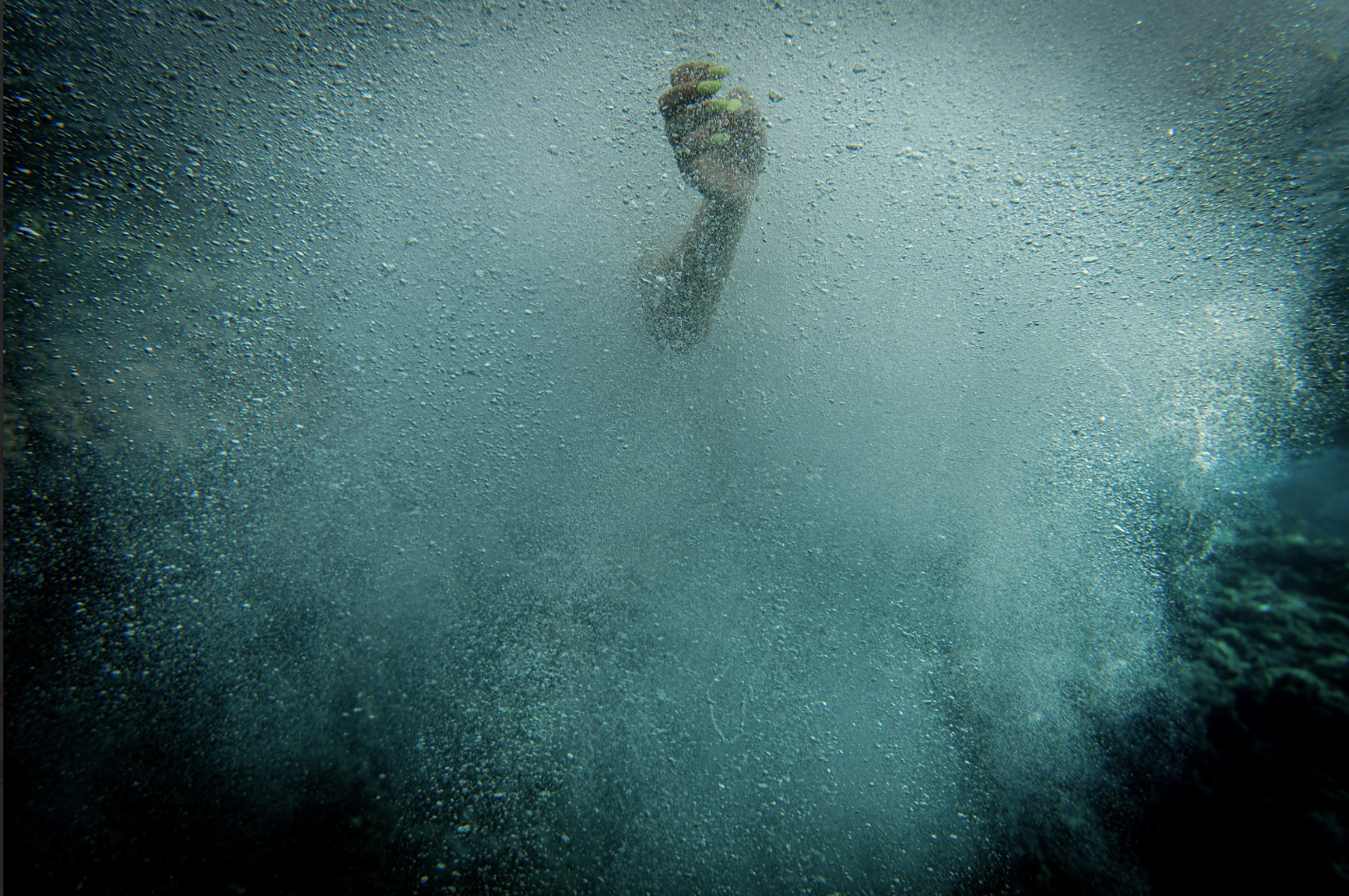
The photo series Alienation grew from these ideas. It is not only a body of work but also part of my personal process. While working through my own trauma in therapy, I began to photograph people in natural environments, using the landscape to reflect their emotional states. Some participants shared their stories, others did not. The focus was never on the trauma itself but on what remains afterward—the feelings that linger, the silence that settles, the resilience that quietly grows.
Each photograph in Alienation is an attempt to show something real and tender. These images speak to the struggle of living with PTSD, but also to the strength that comes from continuing to move forward. They invite the viewer to feel something, to step into another person’s emotional world, and perhaps to see their own experiences reflected there.
I have always been inspired by the work of Mary Ellen Mark, especially her project Ward 81, which portrayed the lives of women in mental institutions with honesty and compassion. Like her, I want to create a space for truth and dignity in how we represent mental health. Through my work, I hope to amplify voices that are too often overlooked, to explore how nature can support recovery, and to contribute to a more compassionate and balanced conversation about mental health.
My therapist once said to me, maybe now is the time, the time when you want to know what is underneath the surface. And this is what I found…