The equinox is an astronomical event that happens twice a year when the sun is sited directly above the earth’s equator. That alignment makes day and night almost equal in length everywhere on the planet.
We have just had the autumn equinox in the Northern Hemisphere, on September 22; the spring equinox here is March 20. In the Southern Hemisphere it is literally the other way around.
So from today on, as the earth tilts away from the sun in this part of the world, the days will be shorter, and the nights longer and steadily getting colder.
What kind of effect can we expect from this change in our physical surroundings? For many it’s not good news; losing daylight can trigger Seasonal Affective Disorder in some people, though fortunately there are products and practices that can help with this. But there are also people for whom this part of the year is a bonus. The shift from one season to another can inspire feelings of change, renewal. It’s a popular time to find a therapist, start a new project, set a new goal.
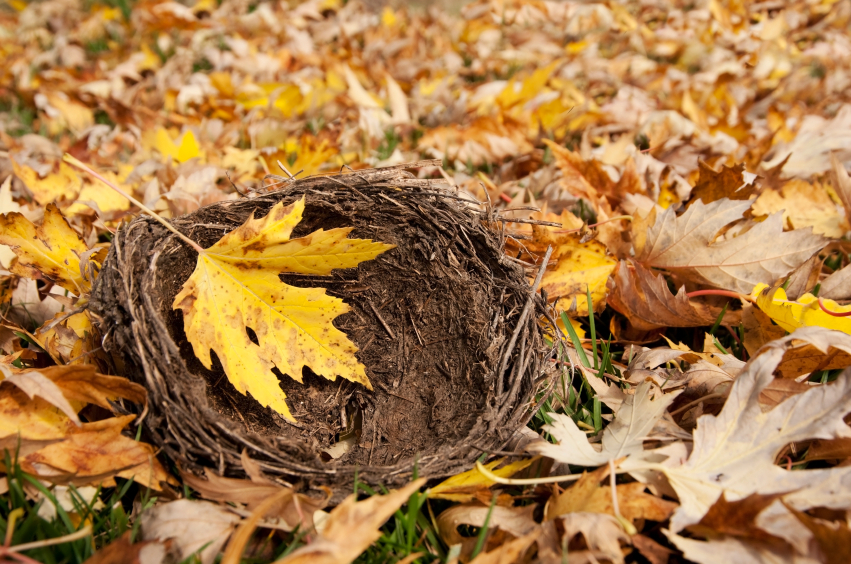
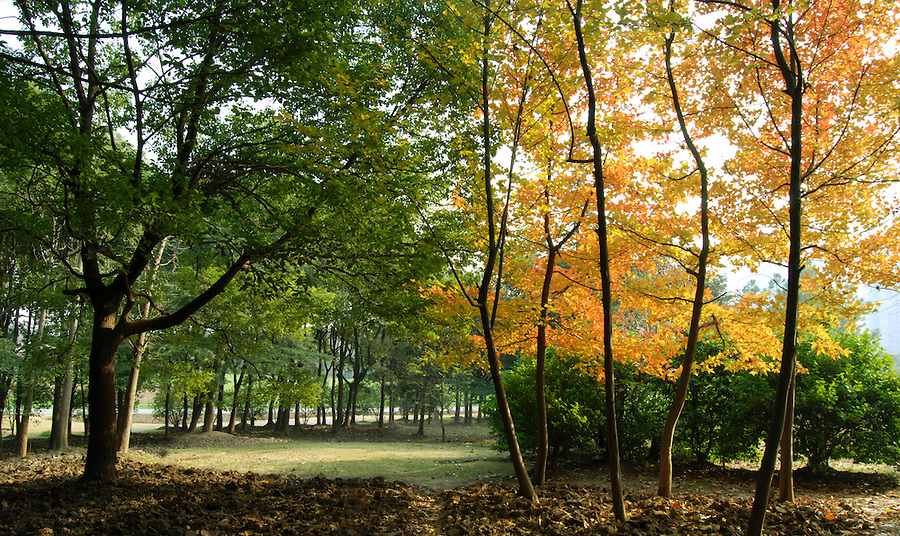
There’s also the opportunity to spend time experiencing nature as the leaves change and the natural world prepares to close down for winter. This can help us get ready for winter too, when our bodies and minds can benefit from quiet time for contemplation and rest. Jackie Holder addresses what autumn can teach us.
As the days grow shorter, grab the opportunity to spend time outside, while the sun still has some warmth and strength. But don’t mourn the change that is coming. There is plenty in autumn and winter to nurture and encourage you, even though the earth itself is putting itself to sleep.