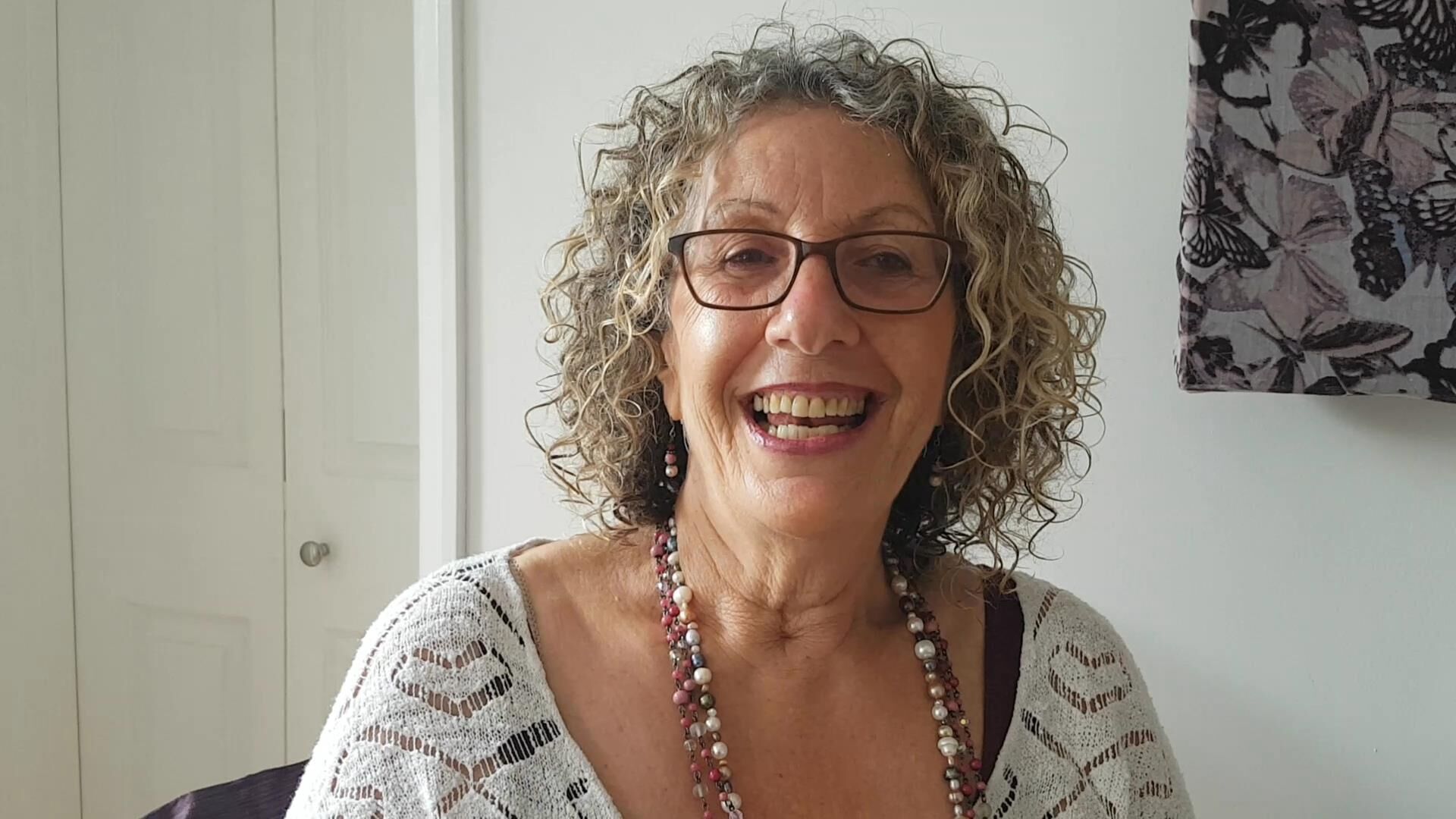
As a therapist I worked initially with individuals, but I was struck by the fact that most of their problems were deeply connected with and affected by their various relationships. I became more and more interested in studying and working with relationships themselves. Now as a couples counsellor, I feel honoured when two people, struggling with their relationship, are sitting in front of me. This couple, in this particular relationship, becomes my client, even though it consists of two individuals. They have taken the step to come and see me, quite a challenging thing to do. The decision probably entailed a painful conversation about their difficulties and an agreement to do something about it, together. That will be the first thing I acknowledge to them as they sit down for their initial session.
Of course, it doesn't always work this way. I sometimes hear from one member of the couple who may be desperate to get their partner to join them in therapy. However, for various reasons, he/she is not keen to attend. I always ask if they have discussed attending together as it is preferable for the couple to receive help since the problems belong to them both. If that's not possible, I agree to see one of them. Often, after a session or two, the other one decides to join in. If they prefer not to join, I will continue to see the individual and help them with their situation, as it is for them personally.
I am always excited to see a couple. Initially, I'm very curious about their story, their dynamic and patterns, the issues they are grappling with. If they are coming regularly, I'm still curious: how are they doing with making change, connecting more and whatever it takes for them to move forward?
It is often an awe-inspiring experience to support and enable a couple to connect and deepen with one another and create their relationship afresh, going from despondency to hope and contentment. It can also be difficult and hesitant, with two steps forward and one back on occasions. But, for me, it's always absorbing and involving.
However, I'm fully aware that my involvement is not about being IN their relationship, which belongs to the two of them. My role is to be their coach and guide, from the outside, so to speak, paying attention to the dynamic of the two, how they cope with practical life, their styles of communication, expressions of empathy for one another, their patterns of intimacy and so much more.
Common reasons that couples may come to therapy include: communication problems, intimacy and sexual issues, affairs, family difficulties, complications of re-constituted families, past abuse, body image, and troubles that one or both partners may be dealing with, which inevitably affects them both.
Both individuals in every couple have naturally been raised by parent/s, with their cultural background, heavily contributing to who they are. This, sadly, may include the possibility of having suffered emotional/physical/sexual abuse. They may be highly vulnerable, sensitive, controlling, angry, have poor self-esteem and many other aspects of being human. This mix of personality aspects is what forms the essential dynamic between the couple, based on who they each are from the past and into the present.
Close relationships are renowned for triggering old patterns of fear, passivity, rage or anxiety to name just a few.
They will each have a kind of view or template, often unconscious, about what makes a relationship good or bad. This is based on their family of origin, mainly how their parents did their relationship, both as a couple and as parents. Their individual templates may well be the opposite of each other's, or they could be quite similar.
When I begin to explore what is going on with this couple sitting in front of me, I have lots of questions in my mind, in no particular order:
- What is their communication like? Do they listen or interrupt one another?
- How do they organise the practicalities of life together? Is one doing most of the tasks?
- Can they tell each other what they are feeling, or do they project onto or blame the other one?
- Do they openly appreciate one another or are they over critical?
- Are they made up of two adults or is one more of a "parent" and the other the "child?"
- Are they affectionate with one another? Is emotional and physical intimacy present in their relationship? Do they both create this?
- Are they empathetic, kind, caring, supportive and basically interested in one another?
- What happens when they disagree?
- Is one of them a "victim" and the other a "persecutor?"
- Are they able to talk openly about intimacy and sex?