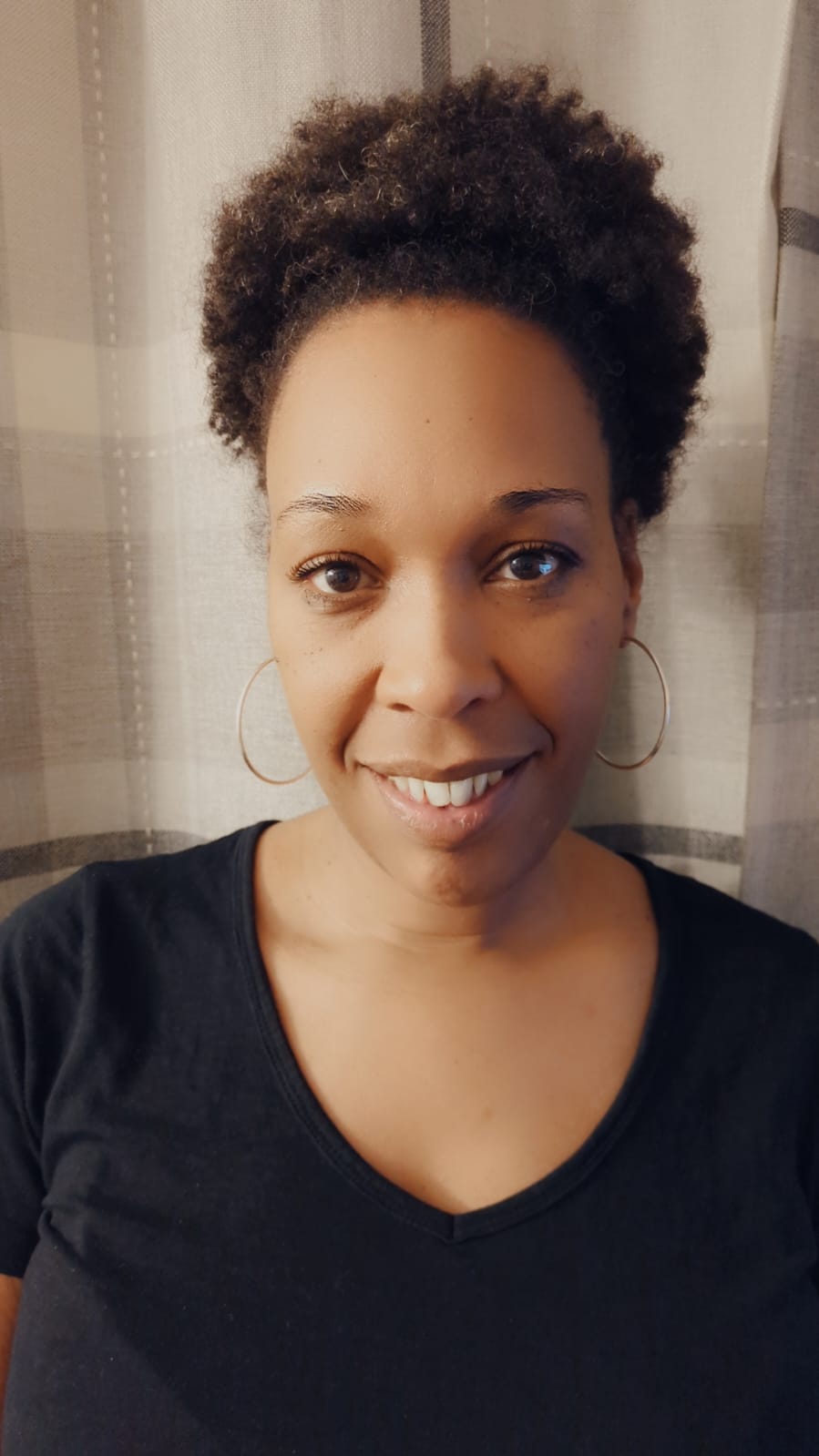
Kirstie Donaldson is a therapist in Fife, Scotland
What attracted you to become a therapist?
I have always been that person that people told their problems to, even complete strangers on trains would open up to me! Having been like this since I was a kid, it comes naturally to me to listen to others and show empathy. I have a genuine interest in people, and the psychology of human beings as a whole, so I always end up having in-depth conversations with random people wherever I go in the world.
Where did you train?
I got my counselling diploma at Fife College, and did my placement training at Drug & Alcohol Psychotherapies Ltd (DAPL) in Leven, Fife.
Can you tell us about the type of therapy you practise?
I am an integrative therapist, which means that I will use any theory or approach that will work for the client. I have used a mixture of all theories, including some of the more modern approaches such as NLP and EMDR.
I like to bring a spiritual element to my work, so I also use mindfulness techniques and meditation, and I encourage clients to use their own faith or spirituality as a coping tool if it suits them. I try to ensure that each client has treatment that is tailored to their own individual needs.
How does your way of working help with symptoms of anxiety?
For anxiety, something that is common within all mental health issues, I use CBT methods, such as thought records to pinpoint irrational thought patterns and how they manifest.
I also use inner child work so that clients can teach themselves to self-soothe, and NLP visualisation, which I have found to be very effective not only for anxiety, but also for physical pain, trauma, and eating issues.
What sort of people do you usually see?
Currently I see adults with various mental health issues, ranging from general anxiety to CPTSD, and a number of people on the autism spectrum.
I would add that they are mostly female, and I am really hoping that accessibility of online therapy will encourage more males to consider therapy.
Have you noticed any recent mental health trends or wider changes in attitude?
I notice a lot more anxiety and depression, particularly in young adults, and I think that this is due to a mixture of things:
Social media pressures on weight, identity, inaccurate diagnoses of mental health disorders etc.
Uncertainty about the future as there is is very little financial stability and upward mobility as compared to the lives of their parents and grandparents.
The normalisation of drug and alcohol consumption, aided and abetted by the media.
Parental anxiety is also absorbed resulting in young adults that are less independent and more fearful of the world. We have a variety of internet related issues now that previous generations didn’t have to deal with.
This is a long answer, but this is a big conversation!
What do you like about being a therapist?
I enjoy getting to know each unique personality, and find it rewarding to to see their development and progress. I feel like I always learn something from each experience too, as there is always an aspect of each story that I can relate to in a more personal way.
What is less pleasant?
When clients are in a particularly bad place, I worry about them between sessions, so I do end up taking work home with me, metaphorically!
How long have you been with Welldoing and what you think of us?
I’ve been with Welldoing less than a month, so hard to tell, but I’m optimistic, about the future with them, and I think that this is definitely the future of the industry.
I’m impressed so far with the systems, which also help take away some of the paperwork and payment aspects from me!
What books have been important to you in terms of your professional and personal development? Do you ever recommend books to clients?
The most important book for me professionally was The Body Keeps the Score: Brain, Mind and Body in the Healing of Trauma by Bessel van der Kolk. A brilliant insight into understanding child abuse and how it impacts people as adults.
Personally, my most important book would be Every Day I Pray by Iyanla Vanzant; reading this was the first time I ever thought of happiness as a choice.
I rarely recommend books to clients, it’s more YouTube videos nowadays, but I have recommended The Power of Now by Eckhart Tolle. It helps people to focus on gratitude rather than lack, which can be crucial in times of crisis.
What you do for your own mental health?
I meditate every day, sometimes for five minutes and sometimes for 30 minutes, depends on the day! I try to walk every day, weather permitting, and I pray before I go to sleep. I also do a fair amount of self-soothing and ensure that I keep my inner critic in check.
You are a therapist in Fife, Scotland. What can you share with us about seeing clients in this area?
Fife has a history of coal mining and paper mills, and is still very traditional, therefore counselling, particularly amongst men, is often regarded suspiciously! Most of my clients are females who are trying to break away from the traditional norms and find themselves as individuals.
Unfortunately, the main coping skills that have been demonstrated have been alcohol and substances, and it takes a lot of courage to seek other ways to find fulfilment.
It is a very challenging environment, but I feel that people are opening up more to therapy and at least acknowledging their issues, even if they are not sure what to do about them.
What’s your consultation room like?
It’s painted green, which is a healing colour, with big windows so there’s lots of light. Big cozy chairs, and the pictures on the walls are of Caribbean landscapes, which not only reflects my heritage, but also encompasses the healing power of nature, with the sea and the beaches.
As I am only five miles from the coast, and the sea and beaches are near I hope that this is comforting and familiar for people as well.
What do you wish people knew about therapy?
That it’s not like the movies, where you are intimidated by someone in an expensive suit in a plush office.
That there isn’t one hallelujah moment – change is gradual and doesn’t happen overnight.
That it takes courage. When you have faced the toughest things in your life, you will feel like a champ!
What did you learn about yourself in therapy?
I was brave enough to look at myself as I really am, and embrace myself with all of my flaws.