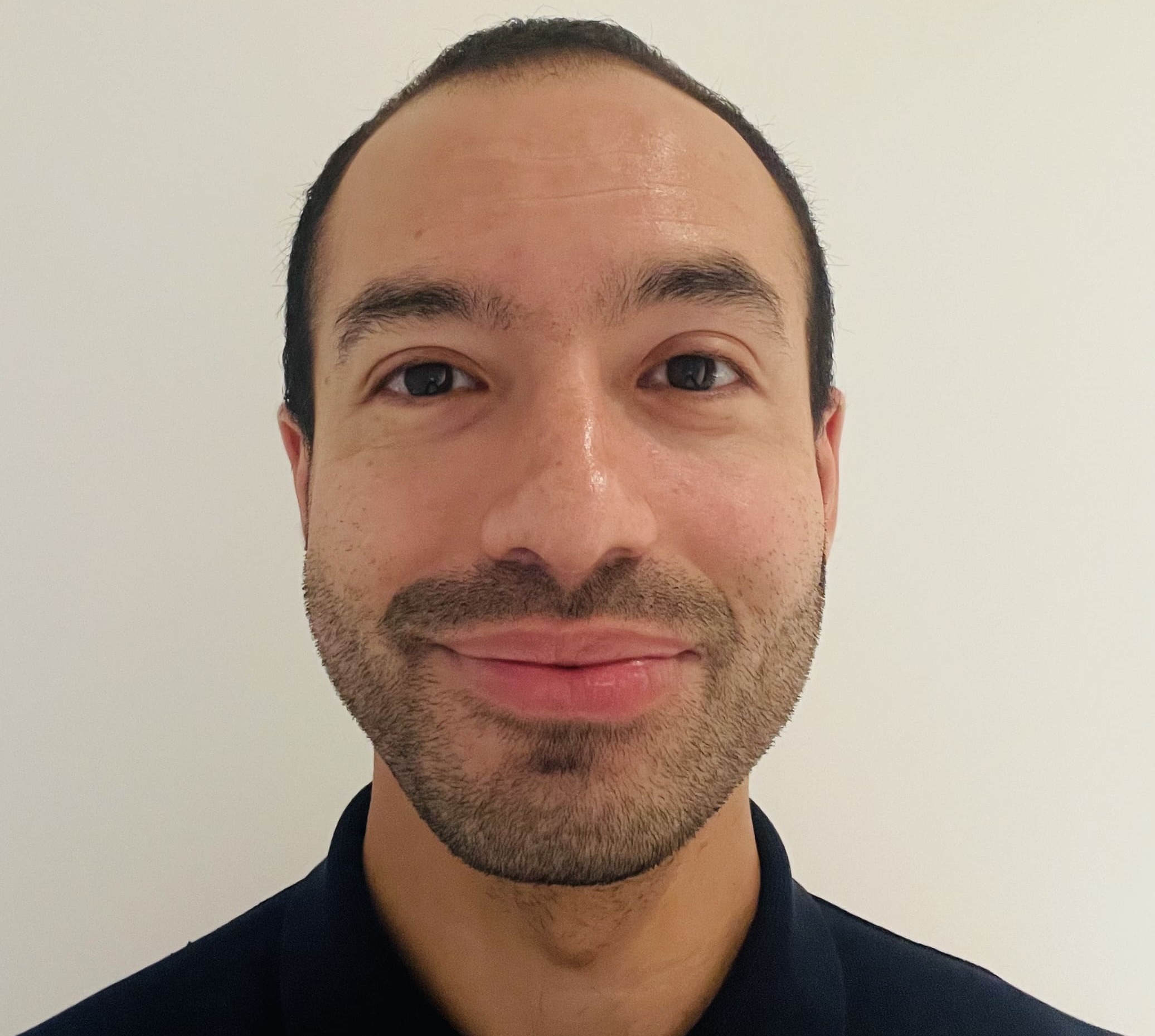
Jonathan Balbes is a psychoanalyst in Central and East London
What attracted you to become a therapist?
Curiosity in people coupled with theoretical intrigue in psychoanalysis.
Where did you train?
I have trained at King’s College, CFAR and the Guild.
Can you tell us about the type of therapy you practise?
I practise psychoanalysis, which is orientated towards understanding how the patient’s symptoms are unique to them. In my experience across different settings - such as Priory Hospital, outpatient services, and addictions service - I have often seen how treatment is most effective when a position of curiosity is taken in relation to the patient’s subjectivity.
How does psychoanalysis help?
Psychoanalysis can treat a range of symptoms from depression to anxiety. In any one of those symptoms, I would approach the work by trying to give the symptom meaning and context. As such, we might explore family, work, sexual relationships, experience of school, any number of topics to uncover what lies behind the symptom and what is at stake in its function.
What sort of people do you usually see?
I have treated a wide range of demographics, from adults suffering from acute mental health distress, to sufferers of addiction in outpatient clinics. I have also treated psychosis, which is often seen as a specialised treatment as it is does not necessarily follow the path of meaning-production you might find with depression, anxiety or obsessive diagnoses.
Have you noticed any recent mental health trends or wider changes in attitude?
I think there is a trend towards the objectivisation of mental health treatment. That is, a move towards trying to come up for certain, localised reasons for suffering. Particularly in America and the UK you can see this trend gathering steam. In these counties, there appears to be an interest in reducing suffering to discrete categories as opposed to attending to the complexities every patient brings.
What do you like about being a therapist?
It is an enormous privilege to be put in a position where someone is entrusting me with the most intimate details about their life.
What is less pleasant?
Paperwork!
How long have you been with Welldoing and what you think of us?
I have not been with Welldoing very long, maybe a few months or so. So far it seems to be a very supportive space.
What books have been important to you in terms of your professional and personal development? Do you ever recommend books to clients?
I tend to not recommend books to clients as I prefer not to take our sessions away from their subjectivity. However, at the moment I am reading Lacan on Love which is a wonderful book written by Bruce Fink on Lacan’s seminar related to transference.
What you do for your own mental health?
In my everyday life I love to read, exercise and play music. In terms of reading, I enjoy reading fiction and recently have read The Big Swiss and The Mars Room – both incredibly rich books that perceptively capture the complexity of human subjectivity.
Exercising is also important to me as it provides a time where I feel as though I am taking care of myself and processing everyday emotion and feeling.
Playing music provides another outlet for me – I have been playing the guitar and violin since a young age and love these instruments for their versatility and the fact I can transport them with relative ease!
You are a therapist in E17 and SE1. What can you share with us about seeing clients in these areas?
The clients I see in each of these locations are different and unique.
What’s your consultation room like?
It’s warm and comfortable. I hope I have created an environment that facilitates the speech of the patient.
What do you wish people knew about therapy?
It takes time, patience and commitment to be able to uncover subjective knowledge.
What did you learn about yourself in therapy?
I learnt a great deal that allowed me to not only understand how my experiences orient me in the world, but also how those experiences shape my desire to work as a psychoanalyst.