How to find hope
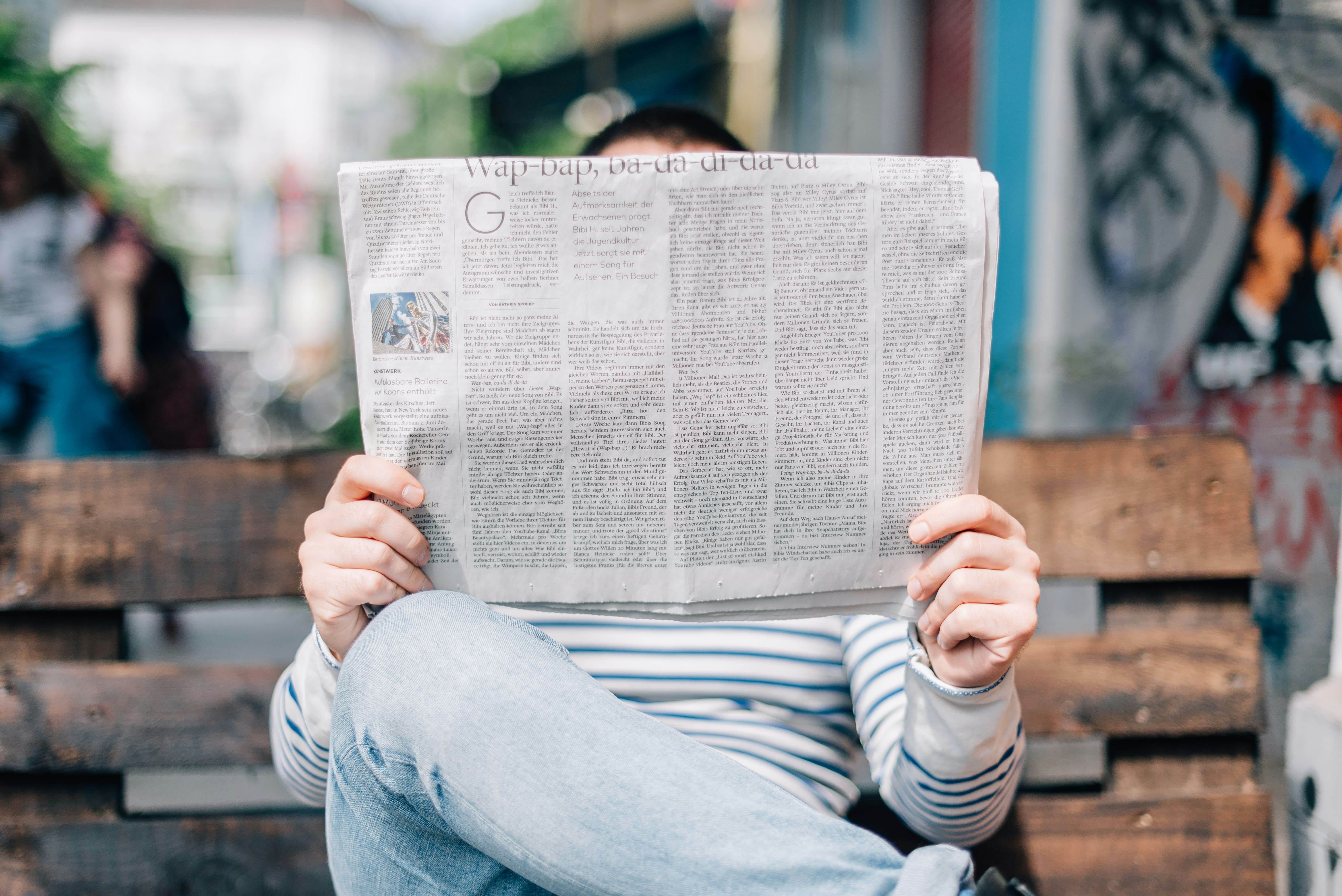
The theme of this year's World Mental Health Day, which is on October 10, is Overwhelm: when global events and relentless bad news become too much. This theme encapsulates an increasingly challenging aspect of everyday life: how to manage our relationship with news to keep us aware, without becoming paralysed by the churn of distressing global events. As finding ways to strike this balance is an essential part of maintaining good mental health, many helpful ideas on this subject have already been shared – and probably plenty will be added on World Mental Health Day, with the discourse it always creates. So, to avoiding adding to the overwhelm of articles about how to manage overwhelm (…!), I wanted to explore a subject that spins off from this theme: what about our relationship with hope?
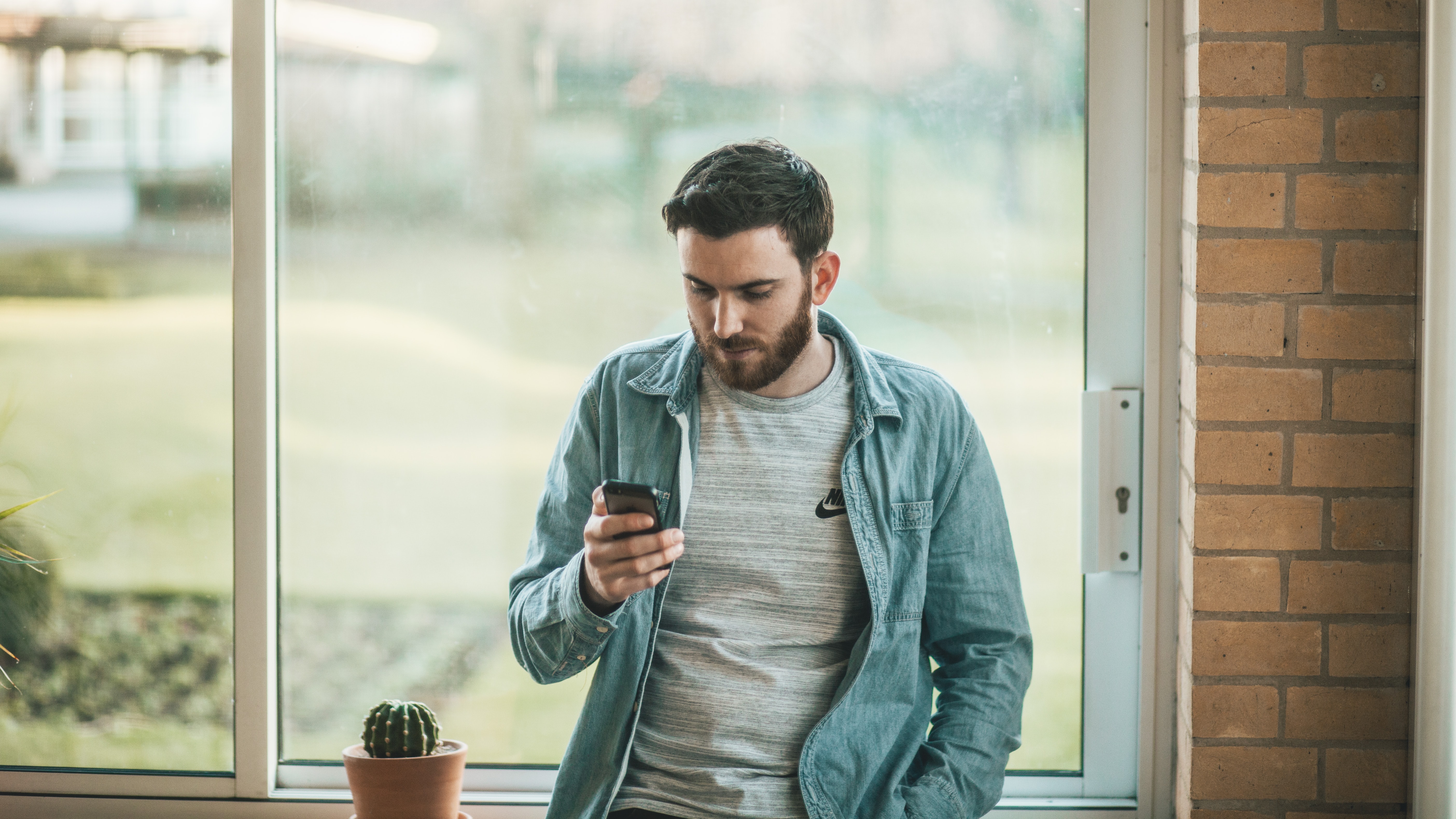
When we’re faced with relentless bad news, it significantly disrupts our capacity for hope. In fact, if you were feeling particularly hopeless, you might go so far as to ask whether we are living in a post-hope world – how can we hope, in this landscape of endless headlines depicting human and environmental suffering on an untold scale? And it’s not even that we have to seek the news out now, it will actively come to us. My phone recently piped up with a Guardian headline notification reading something like, ‘Scientists say pandemics much worse than COVID will definitely happen’ – this, apparently essential breaking news that I absolutely needed to know about at 2pm on a Wednesday. Thanks lads, sounds like that’s another fun thing to start looking forward to now.
Knowing vs changing
For those of us fully hooked into the internet (so, pretty much everyone, but especially Millennials and Gen. Z), being tied to the content that creates overwhelm is a given: the world of the internet is multitudinous, perpetual, and unrelenting. The writer Jia Tolentino put her finger on the symbiotic relationship between the internet and our sense of overwhelm in her 2019 essay The I in Internet. Tolentino writes: 'There was no limit to the amount of misfortune a person could take in via the internet [...] and no way to calibrate this information correctly. [...] The internet was dramatically increasing our ability to know about things, while our ability to change things stayed the same, or possibly shrank.' So, it’s not just reading the news itself that affects us, but also the knowledge that we can do little or nothing to impact it. When we’re feeling powerless, it’s easy to also feel hopeless.
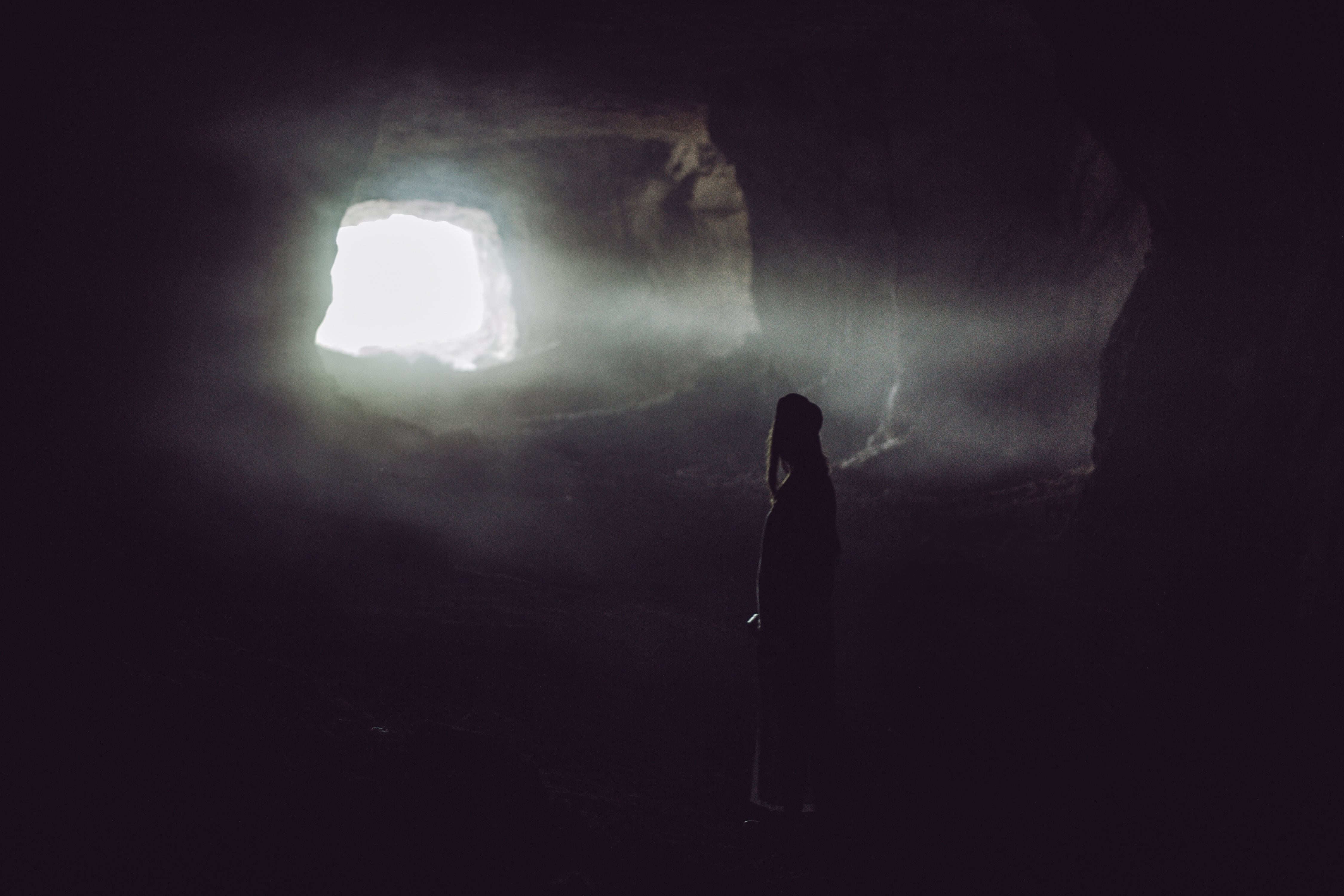
What happens to us if our relationship with hope is dismantled? Without hope, life can become very heavy very quickly. Certainly, it impacts our mental health, but also lots of other things: how open we are taking risks, and trying new things. How we prioritise our physical health, and looking after ourselves. How much effort we put into our community. How committed we are to being kind to others, and how much belief we have in others’ – and our own – goodness. How we make decisions about having children. When we consider this, we can see that the life that we build for ourselves significantly correlates with our hope reserves.
If we accept that hope is both a very important and now quite scarce commodity, perhaps a natural next question is - how do we get it back into our lives? Let it never be said that I don’t have my finger on the button of the latest trends (!), but perhaps a thought from 1759 might be interesting here – from Voltaire’s novella Candide, ou l’Optimisme. Voltaire was also trying to work out how to still have hope for the world following an awful event, the Lisbon earthquake of 1755. At the time, a dominant ‘optimistic’ doctrine to counter bad news came from the philosopher Leibniz: he believed that because God created the world, it must be ‘the best of all possible worlds’, and therefore all that happens in it must be good too. Voltaire couldn’t quite square that with the 40,000 deaths in the earthquake (on All Saints’ Day, too), so this short story is his parodic response to Leibniz’s theory. The titular Candide parrots the theory throughout the story, despite suffering an absolutely terrible time (if memory serves, at one point he even loses one bum-cheek. It’s pretty bad). Finally, at the end, he starts to re-consider his belief, instead stating that in order to manage all the horrors of our definitely-not-the-best-possible world, ‘we must grow our garden’ (‘il faut cultiver notre jardin’).
A space that is ours
So, what does growing our garden actually mean? Looking at it in the above context, perhaps Voltaire’s garden provides almost a direct counterpoint to the challenge Tolentino highlights: unlike the vague landscape of the internet, a garden is space that’s available to us, that we can shape, influence, and evolve. Finding a garden to grow means finding the ingredients that enable hope to flourish – the belief that we’re able to build towards something, instead of being stuck watching everything play out in front of us. Voltaire’s optimism is the belief that we can work to create our own good, within a world that may not be.
For our relationship with hope to flourish, we have to find ways to impact the world, even if it’s only a small patch. Happily for those of us (like me) who can barely keep plastic cacti alive, our garden can be something much more figurative than literal – maybe the part of the world that’s available to us to cultivate is our friendships, or the way we talk to ourselves, or how meaningful our free time feels. To kindle the hope that world events threaten to extinguish, we can look to what we are able to grow – and hope that what we plant will flourish long into the future.