Have you recently acquired a diagnosis? Perhaps you’ve lived with chronic illness your whole life. Either way, the power to bring yourself some comfort is at your fingertips – even when physically limited.
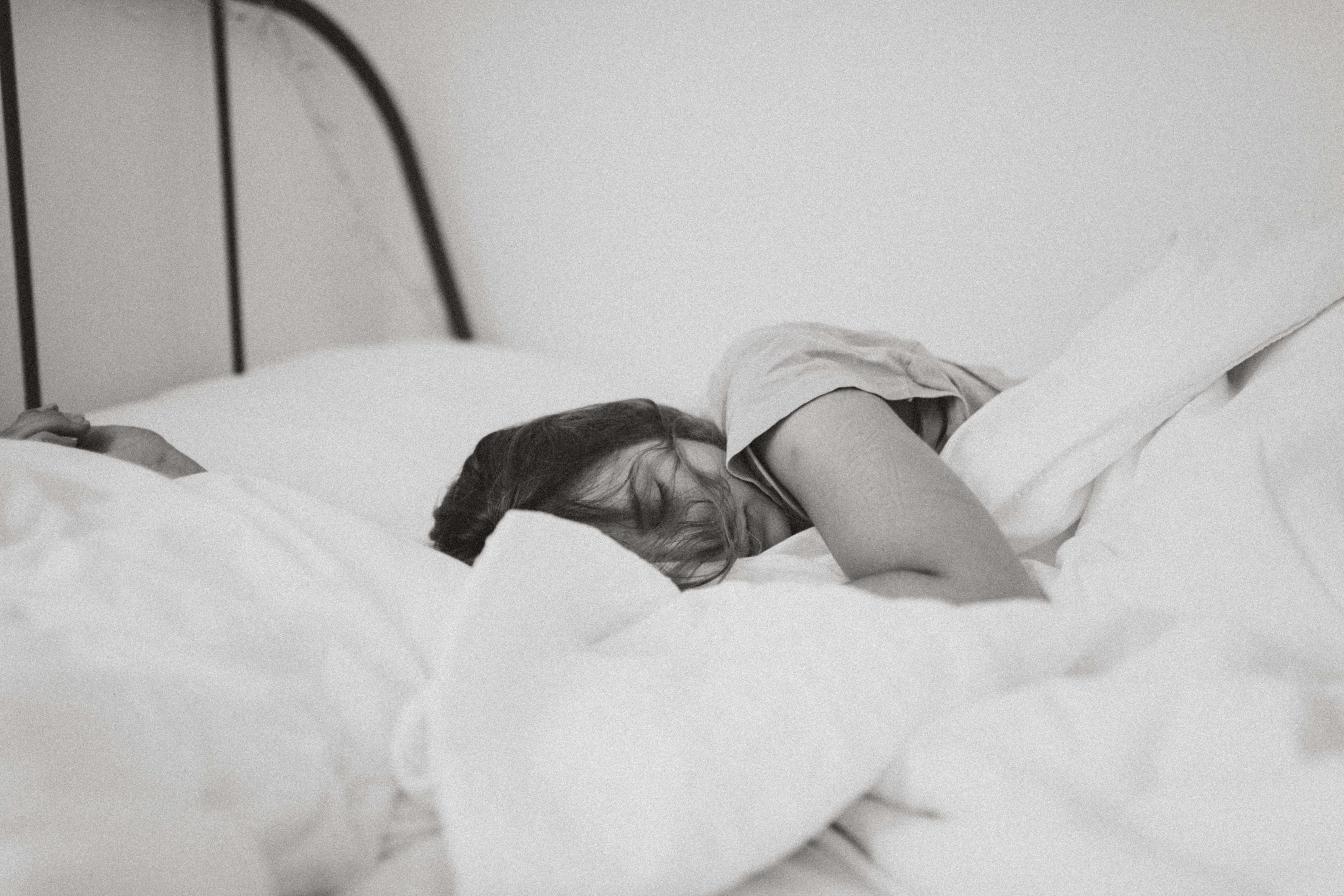
Having been unwell since young childhood, I have often felt alone, unseen, misunderstood, and frustrated.
As the decades moved past, and I continued to be predominantly home-bound, often bed-tethered, I came to realise that most other people didn’t live with the myriad pains and diverse symptoms of my condition. This includes the emotional fallout of being so disabled by long-term invisible illness.
It was isolating and confusing. And frequently boring.
In a determined reclamation of a taboo word, people disabled by chronic illness use the term ‘Crip Time’ to describe how days can drag symptom-echoingly slowly when having to rest and endure while simultaneously slipping through unfilled seasons at a remarkable rate. I had to teach myself how best to pass this time, how to comfort myself and create a fulfilled life.
How did I do this? Whenever possible, through arts and crafts.
Crafting emotional comfort
Creative writing, which I have also found achievable via speech to text functions on my phone and laptop, can be a safe way of exploring and releasing difficult feelings. But did you know that taking part in other enjoyable arts and crafts, especially ones like sewing, knitting and crochet that involve rhythmic movement, also lower stress levels and mitigate overwhelming emotions?
As well as noticing the calming effects of occupying myself with the repetitive actions, soft textures and soothing or uplifting colours of yarn work, I have felt myself relax when playing for just a few minutes with pencils, pastels or watercolours. The emphasis here is on playing, rather than pushing towards any goal. Manual dexterity or stamina aren’t vital – just the desire to express myself through colour and/or loose mark-making.
I have also experienced greater emotional regulation when able to play gentle piano pieces during stressful times. Simply listening to music can work similarly. I choose whatever music most appeals in the moment, bearing in mind that slower tempos are more calming while faster beats can invigorate and sometimes overstimulate.
Creating psychological comfort
Chronic illness brings with it psychological reactions that can be difficult to navigate. A diminished sense of identity, grief for a lost lifestyle, and co-morbidities such as anxiety and depression are common. Meditation can have psychological benefits but isn’t for everyone so I was pleased to discover that immersing oneself in pleasurable arts and crafts, even for very short periods, can bring similar results. Stress hormones reduce, reward hormones release, and rhythmic movements aid the gentle focus of a meditative state.
Further to the hormonal benefits are more personal responses. I can explore my identity as a disabled person through writing, self-portraits, and other expressive arts or useful crafts. I constructively affirm the full value of myself amidst the layers of symptoms. I even found that I can depict aspects of life that I long for, as well as guiding myself in new directions.
As we practise new crafts we also build confidence in related capabilities. We reinforce the belief that we can adapt existing skills and find helpful pathways through difficulty and confusion. All of this builds psychological resilience in the face of deeper obstacles.
Connecting with social comfort
Like anyone, I require relationships that reflect joy and understanding, but it can be difficult to connect with others when life has become constricted by illness and disability. I found meaningful connections when I joined Facebook groups specifically for chronically ill people with creative interests. Chronic Creatives is one such group within which my artistic self, that had hibernated for a while, sprung awake. I met people with whom I could bounce ideas around, share my creations and forge genuine friendship.
This is not all I found.
At times, trapped in a body that doesn’t allow me to contribute to a workforce, caring role, or social activism as I would like, I have felt as if I have nothing to offer the world. But this is far from true.
Despite not being able to march with activists or sit with individuals, through online appeals for handmade donations to various charities, social groups and craftivism (craft-based activism) campaigns, I learned that my knitting, sewing, handmade cards and more could enable me to be a valuable contributor to the wider society. I found a community purpose.
Building physical comfort
Depending on your condition, a variety of arts and crafts could lend themselves to increasing your physical comfort.
Studies have discovered that colouring mandalas while sitting amongst nature (for those housebound, think pot plants and cut flowers) holds the power to lower pain intensity. Around plants or otherwise, I have at times noticed pain temporarily receding while I focus on a creative activity.
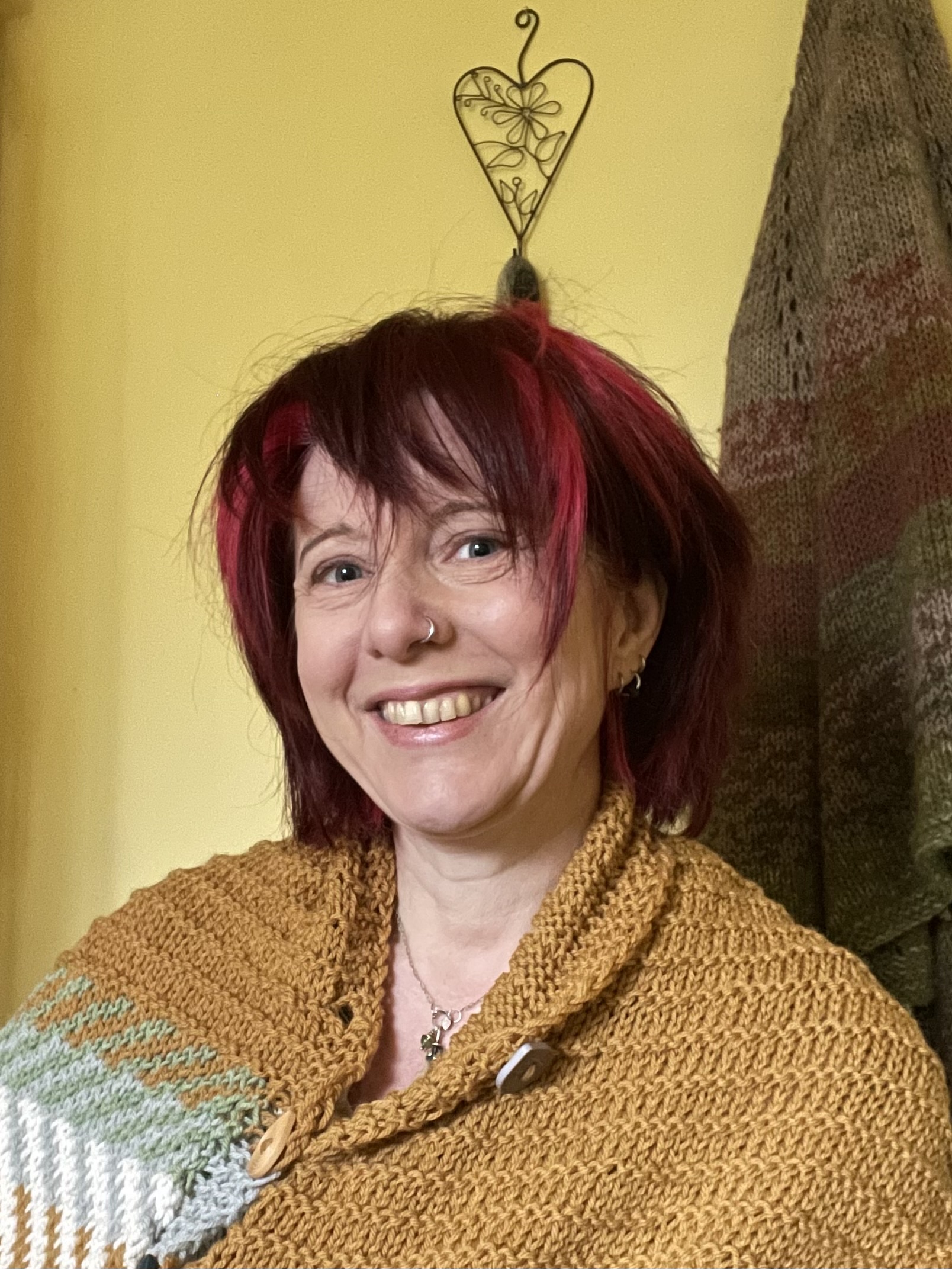
Those of us who knit, crochet, sew or otherwise engage in textile arts, can enjoy the knowledge that these pastimes can lower both high blood pressure and inflammatory markers released by the immune system, thus potentially reducing symptoms.
These are just a few examples of how creative hobbies can benefit our physicality, as long as we practice them within the safe limits of our own diagnosis. The irony is that engaging in certain crafts may cause specific discomfort to various conditions but there is a plethora of creative pursuits to choose from as well as many disability aids, craft tools and hacks that can make a previously inaccessible activity more approachable.
The possibilities of four-fold comfort
These four-fold comforts aren’t limited to traditional arts or crafty hobbies. They can be developed whenever we offer creative responses to our own life and others. These might take the form of radical problem-solving, creative perceptions, tailored words, imagined scenarios, or curated beauty. Creativity is an abundant tool when met with curiosity and enthusiasm, so how will you craft some comfort today?