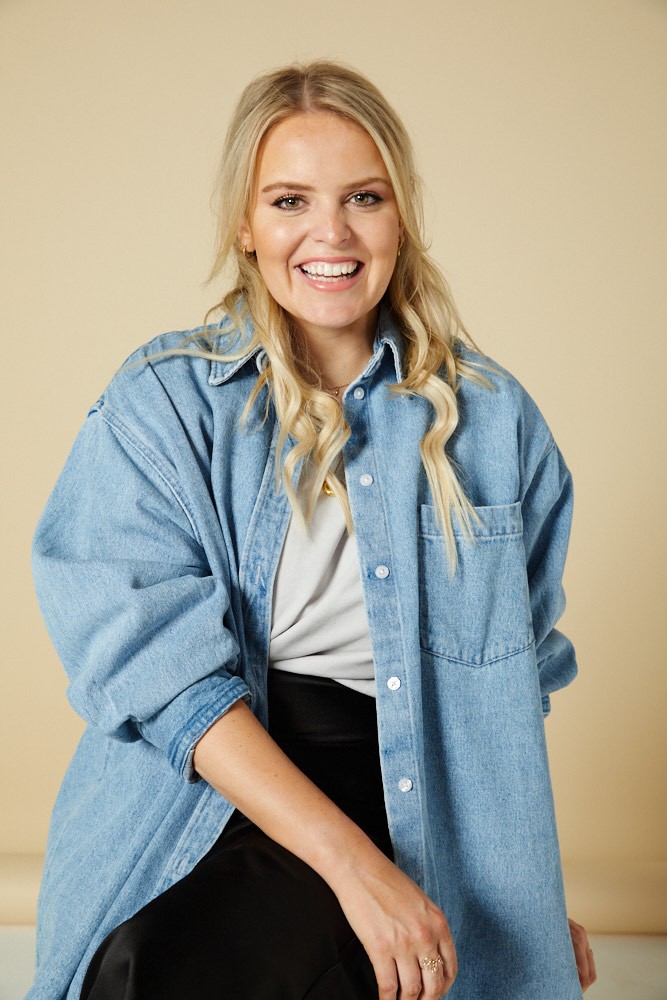
This is an extract from The Price of Pretty: How Toxic Beauty Standards are Bringing Women Down and How We Can Fight Back by Alex Light, which is out now (HQ), hardback: £16.99.
Evidently, it’s not as clear cut as the headlines would have us believe when it comes to weight loss drugs, because while they have disrupted the decades-old idea that weight loss is simply a matter of personal responsibility, for many, these drugs have triggered a new kind of fear: what if everyone else gets smaller and I don’t? What if I’m the last one left who’s not in a thin body?
This sums up the sentiment I’m hearing from my audience: multiple people in their friendship groups are taking GLP-1s, and they’re worried about being ‘left behind’. It creates a sense of feeling that perhaps they should take it too, despite not actually wanting to take the drug.
Here’s the thing: thinness has always been a social currency, especially for women. Weight-loss drugs didn’t invent that. But now, thinness is not just reserved for a select few with certain genetics or an abundance of discipline; it’s becoming something closer to an expectation. That’s what feels different in this era of Ozempic: thinness is not just admired; it’s starting to feel compulsory, and there appears to be growing judgement around not taking it. If there’s a quick and easy way to shrink, why wouldn’t you? Why would you choose not to be thin? Pair that with the high street adverts for weight-loss jabs, the Instagram and TikTok videos of people showing off their GLP-1 transformations and the casual way in which it might get mentioned in the group chat, and the pressure feels relentless. It’s a new kind of policing of bodies: it’s buried in the language of health, self-care and modern medicine, but underneath, it’s the same old toxic message: you’d be better if you were smaller.
Again, the influence this is inevitably having on young people is so concerning. Teenagers are coming of age in a digital landscape saturated with filters, AI and the relentless messaging of ‘SkinnyTok’. Now, they’re also being exposed to weight-loss injections marketed with before-and-after ‘glow-ups’, and light-hearted videos about injecting your way to a ‘better body’. If GLP-1s had been around when I was a teenager, I would have gone to any lengths to get my hands on them, and let’s be frank: with how easy it can be to obtain a prescription today. The official line is that you need a BMI of at least 30, which is the number on the scale at which ‘overweight’ switches to ‘obese’ in the UK – or a BMI of 27 for those with a weight-related medical condition who have tried to lose weight through diet and exercise. This is all in theory, but in practise, it’s often far more flexible.
Online consultations take minutes, and some clinics ask for little more than self-reported height and weight. With booming demand and high profit margins, it’s no surprise that some providers are willing to blur the boundaries of eligibility to keep up with the market; to turn a blind eye to collateral damage, so to speak. This is one of the most troubling aspects of the weight-loss drug phenomenon. When the bar for access is so low, it’s not just going to people who have a genuine medical need for it, it also reaches those for whom it could be really harmful. I’m talking specifically here about vulnerable people, especially anyone with an active or previous eating disorder. It’s already happening. I’ve talked to people over Instagram who have admitted to lying about their weight, and about their history with eating disorders, just to get hold of these drugs.
I want to speak to readers directly here and be clear on two things: firstly, if you are taking a GLP-1 drug, that’s absolutely OK, and I completely respect your decision. Your body is your body, and what you do with it is nobody’s business but your own. Secondly, if you’re not taking a GLP-1 but you’re feeling the intense pressure to do so, please remember that this pressure is the result of society’s toxic relationship with weight and thinness, and has nothing to do with you, your worth or your value. The healthiest thing you can do is to try to block out the noise and come back to what’s truly right for you, your life and your body. Of course, this conversation gets more complex when medical advice from a professional is involved, and I’m not a doctor, so I can’t tell you what to do. But I do want to remind you of this: you are allowed to ask questions. You are allowed to take time and demand more information and to make decisions that feel safe and right for you, not just for the sake of fitting in and looking a certain way.
I recognise that GLP-1s have been life-changing for people with diabetes to help manage blood sugar, and for people living in larger bodies to lower risk of heart disease and improve quality of daily life in meaningful ways. That matters and it can’t be left out of this conversation. At the same time, though, I truly believe that we use ‘health’ as a kind of moral disguise for our culture’s obsession with thinness. All too often, the applause that comes with weight loss has very little to do with health or wellbeing, and everything to do with aesthetics. We are praising bodies for becoming smaller – and smaller bodies, in our society, still mean something. They still signal value, worth and control.
But where did we learn that? Where did we learn that thinner equals better; that hunger is something to be proud of and that taking up less space makes us more lovable? To answer this, we have to go back to the places we first learned how to feel about our bodies. All too often, that starts at home.